
Sudan’s Brutal Power Struggle: A Nation Torn in Two
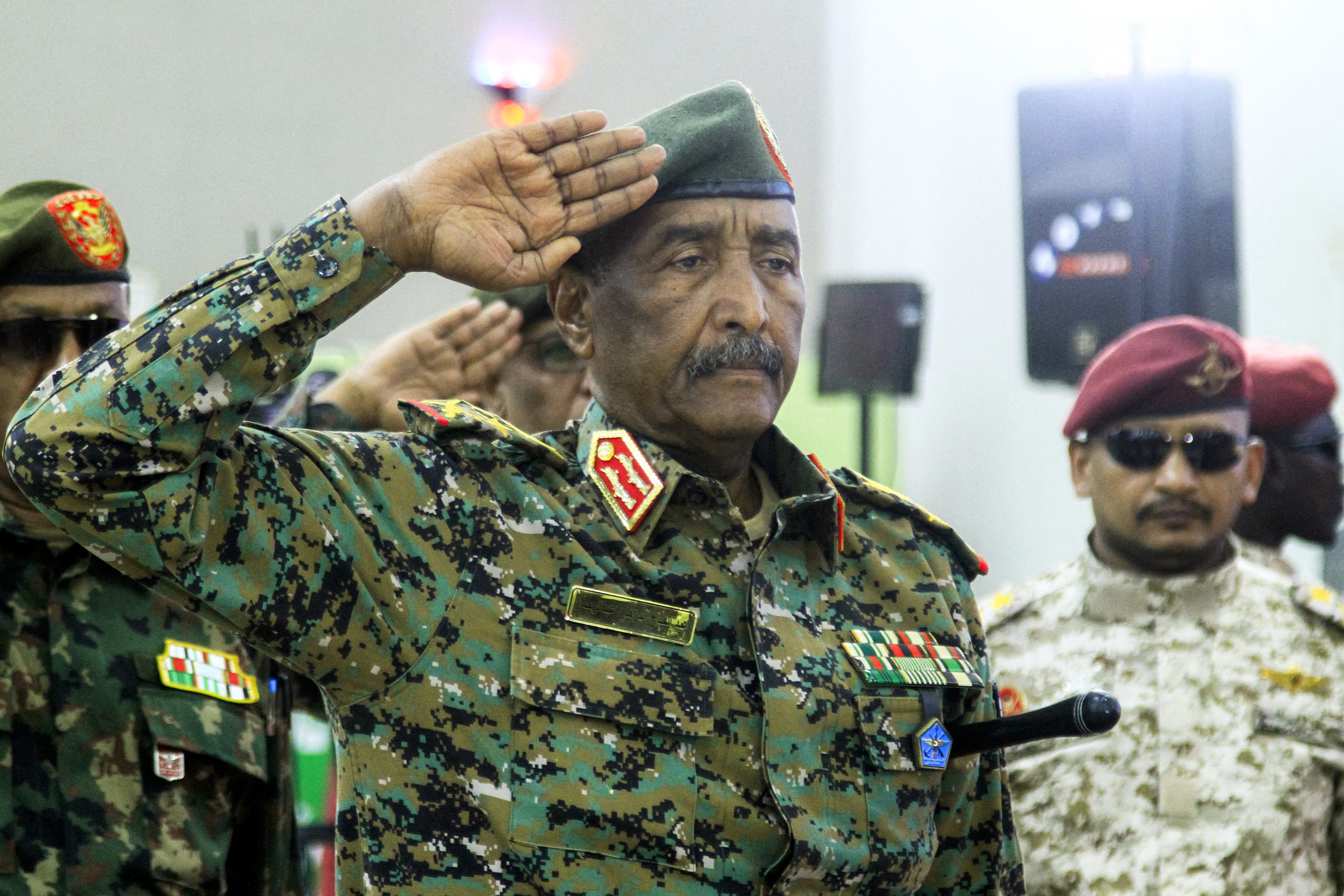
Sudan is currently embroiled in a devastating civil war, a conflict that has reached a critical juncture with the Rapid Support Forces (RSF) seizing control of El Fasher. This strategic victory effectively divides the nation between the RSF and the Sudanese military, escalating a crisis marked by widespread human rights abuses. The roots of this turmoil lie in the complex and fraught relationship between two powerful figures: General Abdel Fattah al-Burhan, the leader of the Sudanese military, and Muhammad Hamdan Dagalo Musa, also known as Hemedti, the head of the RSF.
A Conflict Decades in the Making
The current violence is not a sudden eruption, but rather the culmination of decades of political instability and power struggles within Sudan. Both al-Burhan and Hemedti rose to prominence through their involvement in previous conflicts, often collaborating to maintain control. However, their alliance eventually fractured, leading to the present-day battle for supremacy. Alex DeWaal, a Sudan expert at the World Peace Foundation at Tufts, highlights the deep-seated issues of governance and resource control that fuel the ongoing conflict.
The Human Cost of Division
Beyond the geopolitical implications, the most tragic aspect of the Sudanese civil war is the immense human suffering it inflicts. Reports of atrocities committed by both sides are rampant, with civilians bearing the brunt of the violence. Displacement, famine, and a breakdown of essential services have created a humanitarian crisis of staggering proportions. The international community is under increasing pressure to intervene, but finding a path to lasting peace remains a daunting challenge.
A Fractured Future?
With the RSF’s control over key territory, the prospect of a unified Sudan is increasingly uncertain. The division of the country raises questions about the distribution of resources, the rights of marginalized communities, and the potential for further fragmentation. While external actors like Saudi Arabia and the United States may attempt to mediate a resolution, the ultimate fate of Sudan rests on the ability of its leaders to prioritize peace and reconciliation over personal ambition. The road ahead is undoubtedly long and arduous, but the hope for a stable and just future for the Sudanese people must not be abandoned.
Based on materials: Vox



