
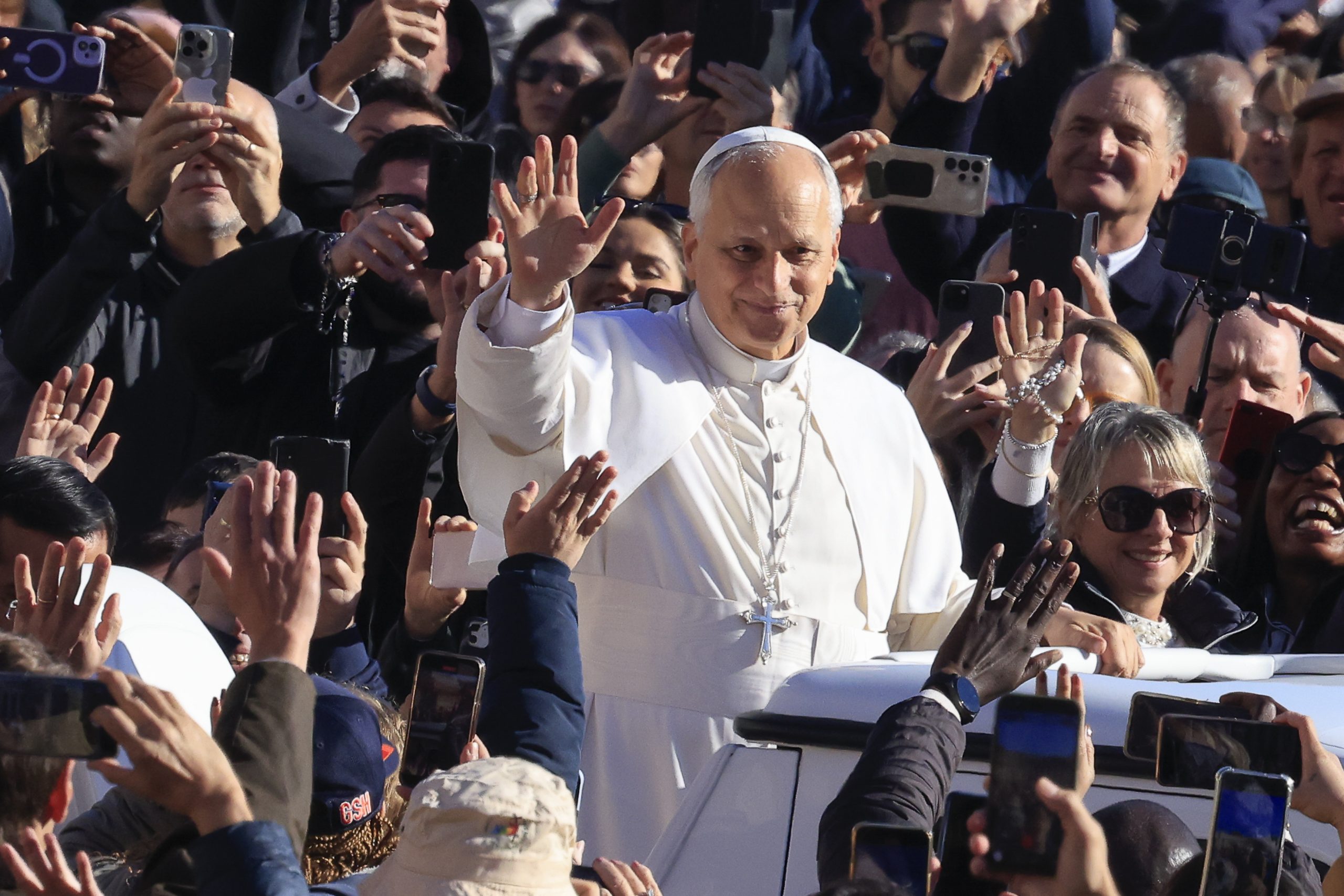
American Pope Stirs Debate: Tradition vs. Progress in the Vatican
The Vatican has a new voice, and it’s speaking with a distinctly American accent. Pope Leo XIV, the first pontiff hailing from the United States, specifically Chicago, is making waves with his outspoken views on contemporary issues, sparking both admiration and controversy within the Catholic community and beyond. His papacy arrives at a critical juncture, as the Church grapples with internal divisions and external pressures in a rapidly changing world.
A Pope of the People?
Pope Leo XIV’s willingness to engage with current events, from immigration policies to the ethical implications of artificial intelligence, sets him apart from many of his predecessors. This directness resonates with some, who see him as a relatable figure willing to address the concerns of the modern world. His more casual demeanor, even extending to sharing his Wordle strategies, humanizes the papacy and makes him accessible to a wider audience. However, this approach has also drawn criticism, particularly from more conservative factions within the Church who view his commentary as overly political and a departure from traditional papal pronouncements.
Tradition vs. “Wokeness”: A Church Divided
The rise of “tradcaths,” traditionalist Catholics who are increasingly vocal about what they perceive as the Vatican’s embrace of “wokeness,” adds another layer of complexity to Pope Leo XIV’s tenure. These groups are often critical of any perceived deviation from established doctrine and practices, viewing it as a betrayal of the Church’s core values. The Pope’s engagement with social issues, while lauded by some, is seen by others as pandering to contemporary trends and undermining the Church’s authority. This internal conflict highlights a broader struggle within the Catholic Church, between those who seek to adapt to the modern world and those who believe in preserving traditional values. The Pope’s positions may inadvertently fuel this division, even as he seeks to navigate these complex issues with careful consideration.
A Litmus Test for the Future of the Church
Pope Leo XIV’s papacy is more than just a historical milestone; it’s a litmus test for the future of the Catholic Church. His ability to bridge the gap between tradition and progress, to address contemporary concerns while upholding core values, will determine the Church’s relevance in an increasingly polarized world. Whether he can successfully navigate these challenges remains to be seen, but his actions will undoubtedly shape the direction of the Catholic Church for years to come.
Based on materials: Vox



