
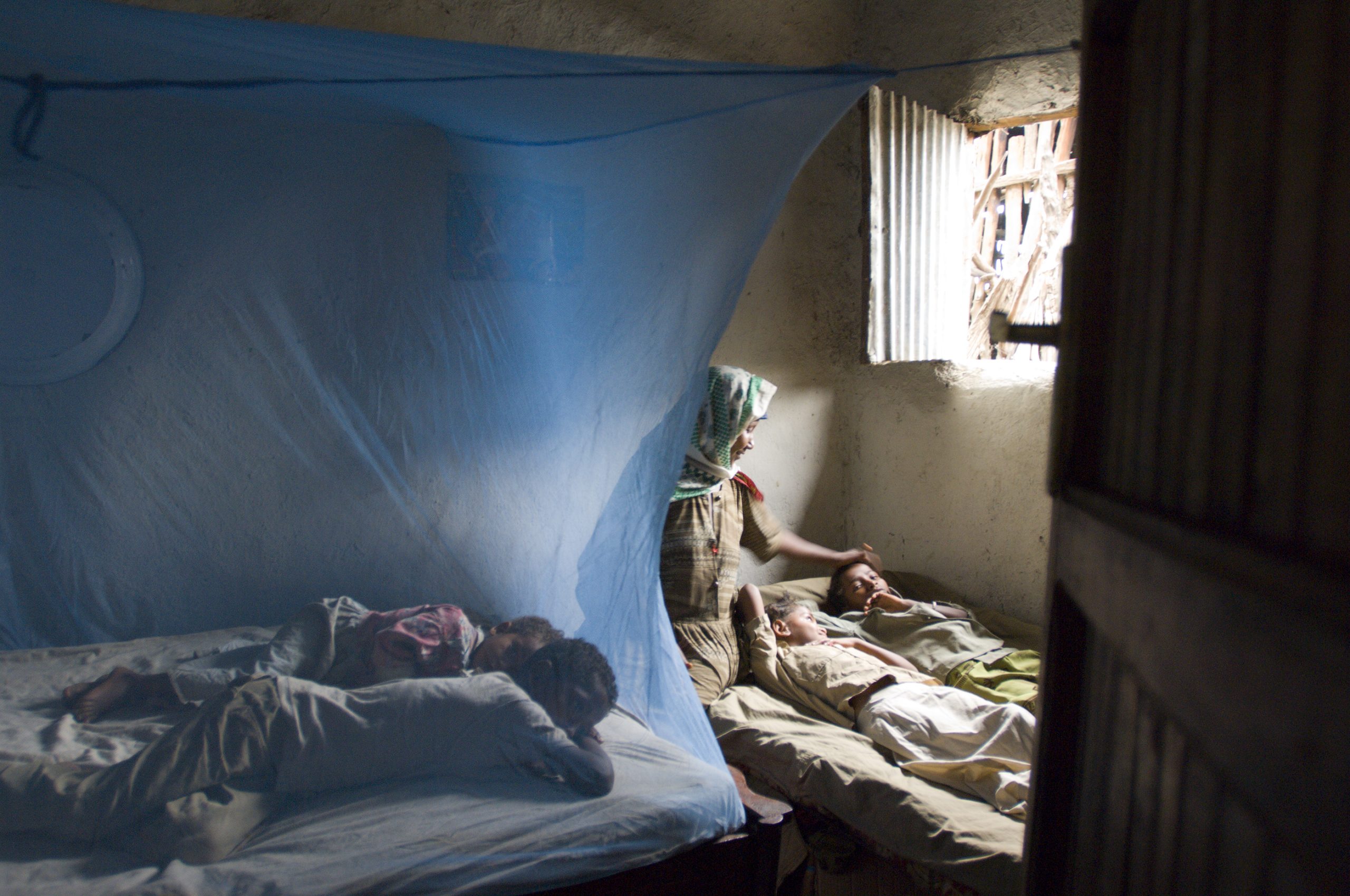
For decades, malaria has cast a long shadow, particularly across Southeast Asia and Africa. Its devastating impact, characterized by debilitating fevers and life-threatening complications, has made it a persistent global health challenge. Now, there’s a growing sense of optimism that the tide is finally turning. But is eradication truly within reach?
From Field Reporting to Personal Experience
The fight against malaria is not just an abstract concept; it’s a deeply personal one for many. The author recalls a time as a foreign correspondent in 2005, visiting a clinic in Mae Sot, Thailand, near the Myanmar border. The clinic was overflowing with refugees suffering from malaria. The experience highlighted the disease’s prevalence and its disproportionate impact on vulnerable populations. Ironically, upon returning home, the author contracted malaria themselves, experiencing firsthand the debilitating symptoms. While they recovered, the incident underscored the seriousness of the disease and the urgent need for effective prevention and treatment strategies.
Progress and Persistent Challenges
Significant strides have been made in combating malaria in recent years. Increased access to insecticide-treated bed nets, rapid diagnostic tests, and effective artemisinin-based combination therapies (ACTs) have contributed to a substantial reduction in malaria cases and deaths in many regions. However, challenges remain. The emergence of drug-resistant malaria parasites and insecticide-resistant mosquitoes poses a serious threat to these gains. Furthermore, conflicts, poverty, and inadequate healthcare infrastructure continue to hinder eradication efforts in many malaria-endemic areas. Innovation in vector control and vaccine development are critical to overcoming these obstacles.
The Road to Eradication: A Long and Winding Path
Eradicating malaria is an ambitious goal that requires sustained commitment, innovative strategies, and robust funding. While the progress made thus far is encouraging, it’s important to acknowledge the complexities of the challenge. A multi-pronged approach that combines prevention, treatment, research, and community engagement is essential. Investing in stronger healthcare systems, addressing the social and economic determinants of health, and fostering collaboration between governments, international organizations, and local communities will be crucial to achieving a malaria-free world.
The journey toward malaria eradication is far from over, but the momentum is building. Continued innovation, unwavering dedication, and a collaborative global effort offer a glimmer of hope that one day, malaria will be a disease of the past.
Based on materials: Vox



