
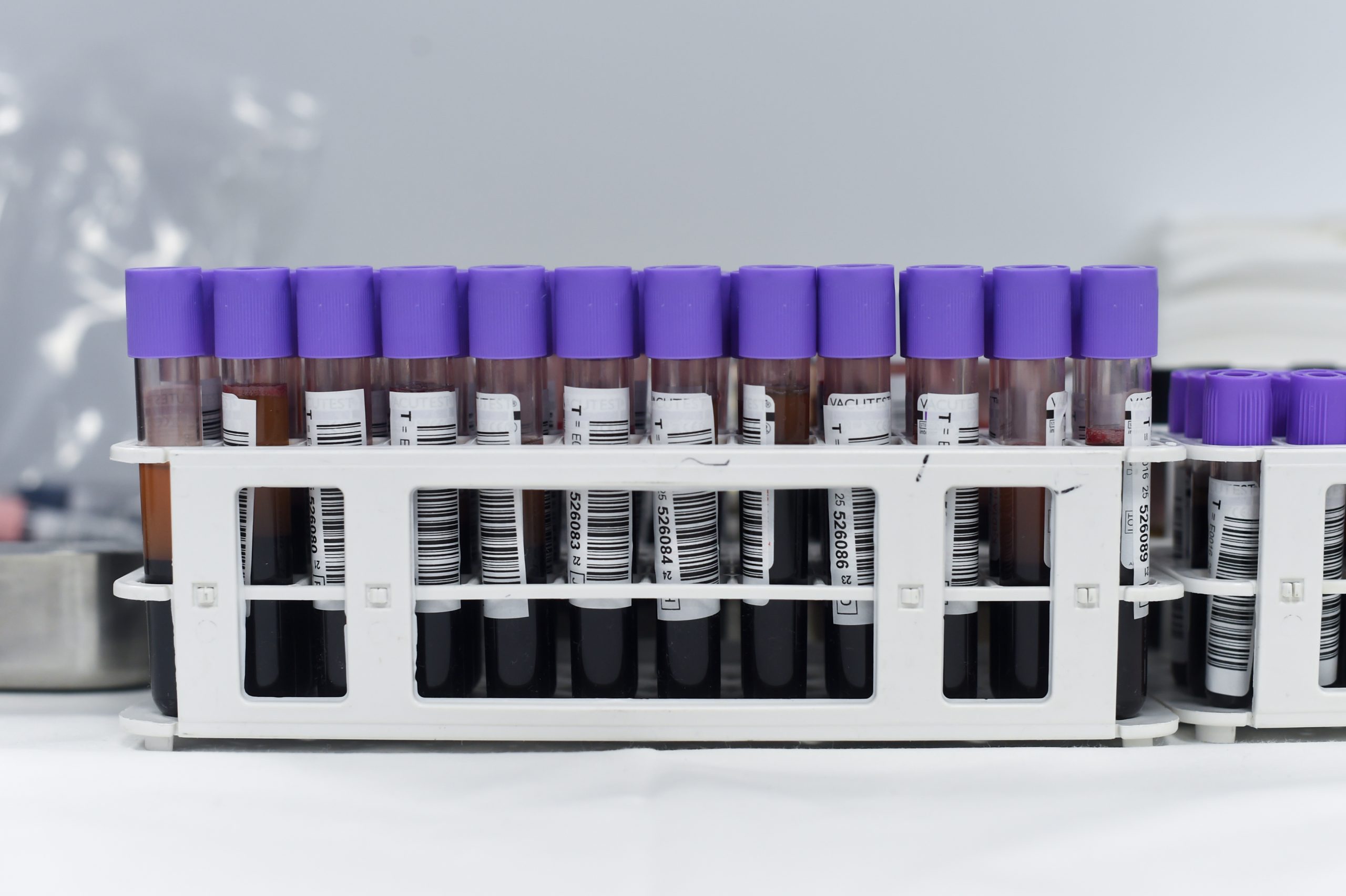
Critical Blood Shortage Looms: A Call to Action
While charitable giving often focuses on monetary donations, a more direct and equally vital form of aid is readily available: blood donation. The need for blood is constant, yet donations often plummet during the holiday season and colder months, creating a precarious situation for hospitals and patients nationwide. With only a small fraction of eligible Americans donating, the gap between supply and demand widens, putting lives at risk.
The Alarming Statistics: A Nation in Need
The statistics paint a stark picture. Despite the fact that approximately 62% of Americans are eligible to donate blood, only a mere 3% actively do so. This disparity is particularly concerning given the frequency with which blood transfusions are needed. Every few seconds, someone in the United States requires blood. To illustrate the scale of the need, consider that while the average red blood cell transfusion involves around three units, a single victim of a car accident can require up to a staggering 100 units.
Organizations like New York Blood Center Enterprises (NYBCe), which serves a vast population across 17 states, experience significant donation declines, sometimes as high as 50%, during the holiday season. This drop occurs precisely when travel increases and, unfortunately, so do accidents and other emergencies requiring blood transfusions.
Beyond the Holiday Rush: A Year-Round Necessity
The seasonal dip in donations exacerbates an already fragile system. As Diane Calmus, Vice President of Government Affairs at America’s Blood Centers, points out, life-threatening situations don’t pause for the holidays. Childbirth complications, car accidents, and the ongoing needs of cancer patients all contribute to a consistent demand for blood.
The impact of a single donation is significant. Each unit of blood can potentially save up to three lives. By taking a relatively small amount of time to donate, individuals can make a tangible and profound difference in their communities.
A Simple Act, a Lifesaving Impact
Donating blood is a straightforward process, typically taking less than an hour. Most healthy adults are eligible to donate, and donation centers are committed to ensuring a safe and comfortable experience. Overcoming common misconceptions about the donation process and prioritizing this act of generosity can collectively safeguard the health and well-being of our communities. With the blood supply facing critical shortages, now is the time to step up and give the gift of life.
Based on materials: Vox



