
Trump’s Honduras Obsession: Election Meddling or Strategic Maneuver?
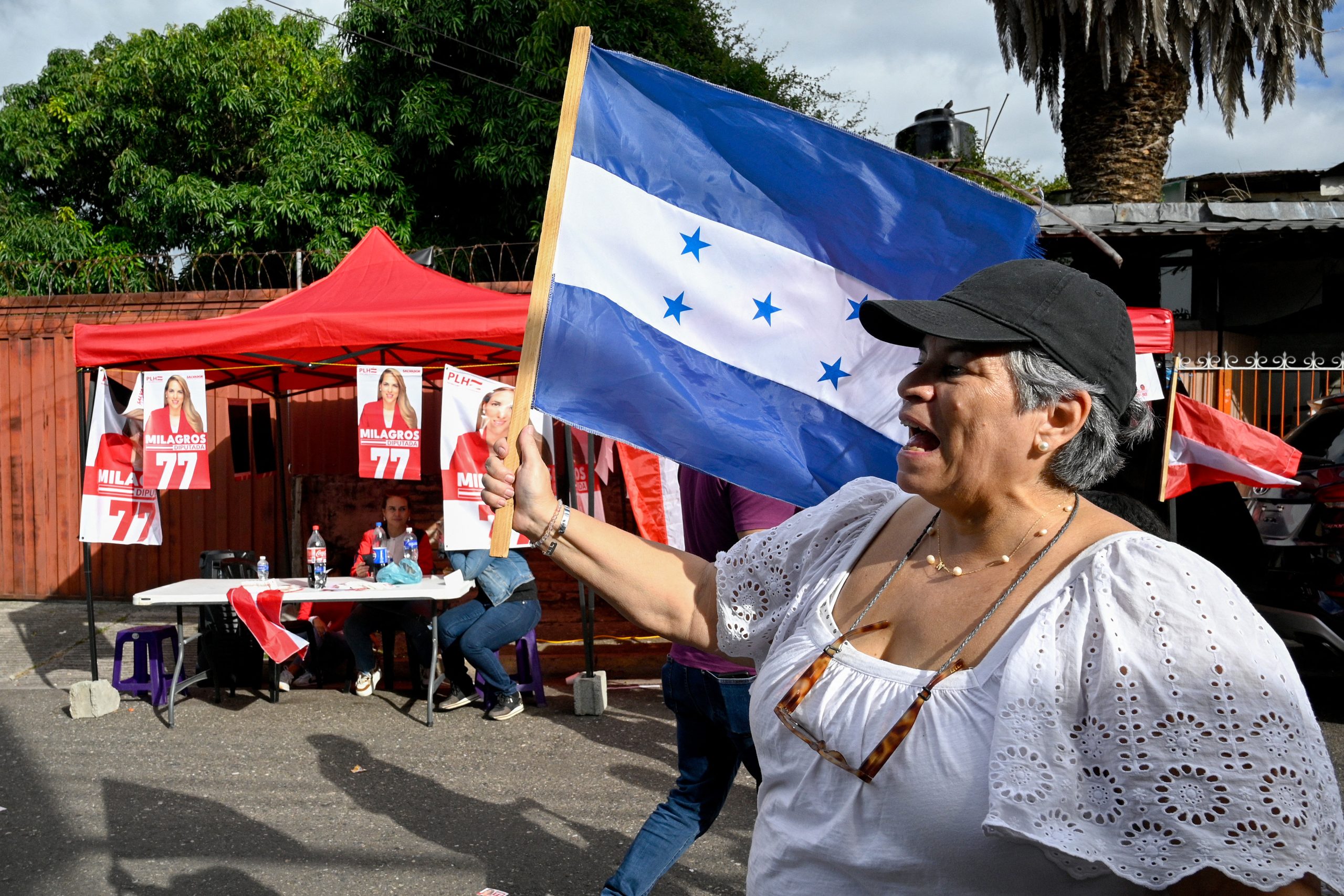
As the world grapples with geopolitical uncertainties, former U.S. President Donald Trump has unexpectedly inserted himself into the Honduran presidential election, raising eyebrows and prompting questions about his motives. With vote counting underway in Honduras, the race between Nasry “Tito” Asfura of the conservative National Party and Salvador Nasralla of the centrist Liberal Party remains nail-bitingly close. Trump’s recent actions suggest a renewed interest in Latin American politics, but is it a genuine concern or something more calculated?
Endorsement and Allegations: A Familiar Playbook?
In the lead-up to the election, Trump took the unusual step of publicly endorsing Asfura on his social media platform, Truth Social. He framed Asfura as a partner in fighting “Narcocommunists” and delivering aid to the Honduran people. Conversely, he labeled Nasralla as “borderline communist,” a loaded term reminiscent of Cold War rhetoric. This intervention is notable for several reasons. Firstly, it’s uncommon for a former U.S. president to so openly weigh in on a foreign election, especially one in a country like Honduras, which often flies under the radar of U.S. public discourse. Secondly, the language used evokes a bygone era, raising questions about whether Trump’s views on Latin America are rooted in outdated ideological frameworks.
Beyond Ideology: What’s the Real Agenda?
While Trump’s stated concerns about “Narcocommunists” might appeal to certain segments of the U.S. population, analysts suggest there could be deeper strategic considerations at play. Honduras has historically been a key partner in U.S. efforts to combat drug trafficking and manage migration flows from Central America. A stable and cooperative government in Honduras is therefore seen as vital for U.S. interests in the region. Trump’s endorsement of Asfura could be interpreted as an attempt to ensure that Honduras remains aligned with U.S. foreign policy objectives, particularly in these areas. However, critics argue that such interventions risk undermining the democratic process and fueling instability in the region.
A Legacy of Intervention: Repeating Past Mistakes?
The Honduran election highlights the complex and often fraught relationship between the U.S. and Latin America. Throughout history, the U.S. has frequently intervened in the affairs of its southern neighbors, sometimes with disastrous consequences. Trump’s actions raise concerns that the U.S. may be repeating past mistakes, prioritizing short-term political gains over long-term stability and respect for national sovereignty. As the vote count continues in Honduras, the world will be watching closely to see how this latest chapter in U.S.-Latin American relations unfolds.
SOURCE: Vox
Based on materials: Vox



