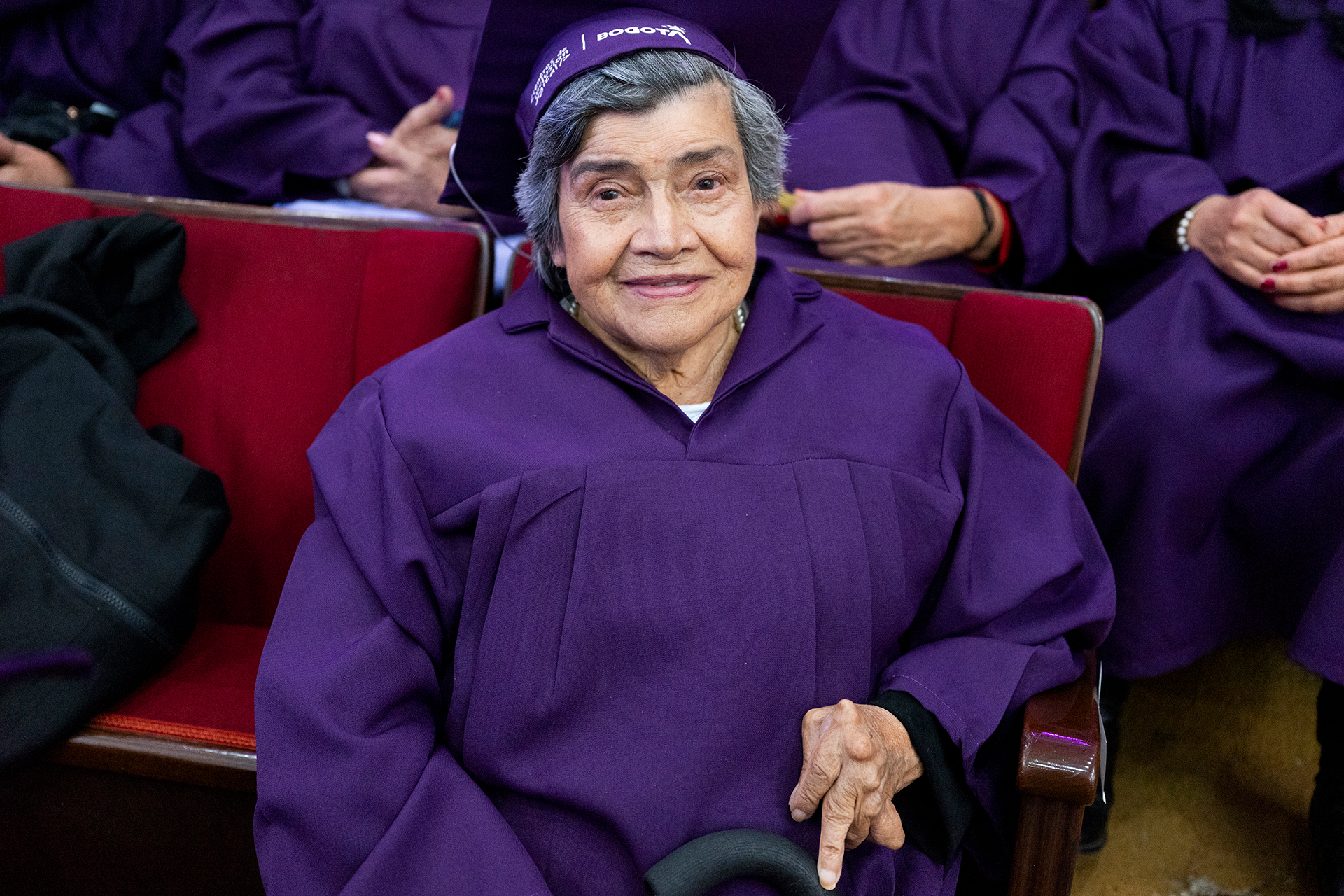
Bogotá’s “Care Revolution”: Valuing Unpaid Labor
Bogotá, Colombia, is pioneering a radical shift in how society views and values care work, an often-overlooked and unpaid sector that disproportionately burdens women. As revealed in the December issue of “The Highlight,” the city is grappling with the staggering reality that care work consumes over 35 billion hours annually. This immense workload leaves many women with limited time for personal pursuits, career advancement, or even basic self-care. However, Bogotá is also emerging as a beacon of change, spearheading a “care revolution” with innovative neighborhood hubs designed to prioritize the needs and well-being of caregivers themselves.
The Weight of Unseen Labor
The article highlights the stark imbalance in the distribution of care work, emphasizing the immense pressure placed on women. This unequal burden not only restricts their opportunities but also perpetuates systemic inequalities. By bringing this issue to the forefront, Bogotá is challenging traditional norms and sparking a crucial conversation about the true cost of unpaid labor. The situation in Bogotá is representative of similar issues around the world, where women continue to shoulder a disproportionate amount of caregiving responsibilities within families and communities.
Neighborhood Hubs: A New Approach
The “care revolution” in Bogotá centers around the creation of innovative neighborhood hubs. These spaces provide caregivers with access to resources, support networks, and opportunities for personal growth. Unlike traditional care models that focus solely on the recipients of care, these hubs prioritize the well-being of the caregivers themselves. This holistic approach recognizes that supporting caregivers is essential for creating a more equitable and sustainable society. These hubs offer a range of services including childcare, respite care, training programs, and mental health support.
Beyond Bogotá: A Global Movement?
Bogotá’s experiment offers a potential blueprint for other cities and countries grappling with the challenges of unpaid care work. By recognizing the economic and social value of caregiving, societies can begin to address the systemic inequalities that affect women and families. The “care revolution” in Bogotá is not just a local initiative; it is a call for a global re-evaluation of how we value and support those who dedicate their lives to caring for others. This includes advocating for policies such as paid family leave, affordable childcare, and increased investment in care services.
The article in “The Highlight” underscores the importance of innovative approaches to address the challenges of unpaid care work. Bogotá’s “care revolution” offers a promising model for creating a more equitable and sustainable society, where caregivers are valued, supported, and empowered to thrive. It serves as a reminder that investing in care is not just a matter of social justice, but also an economic imperative.
Based on materials: Vox