
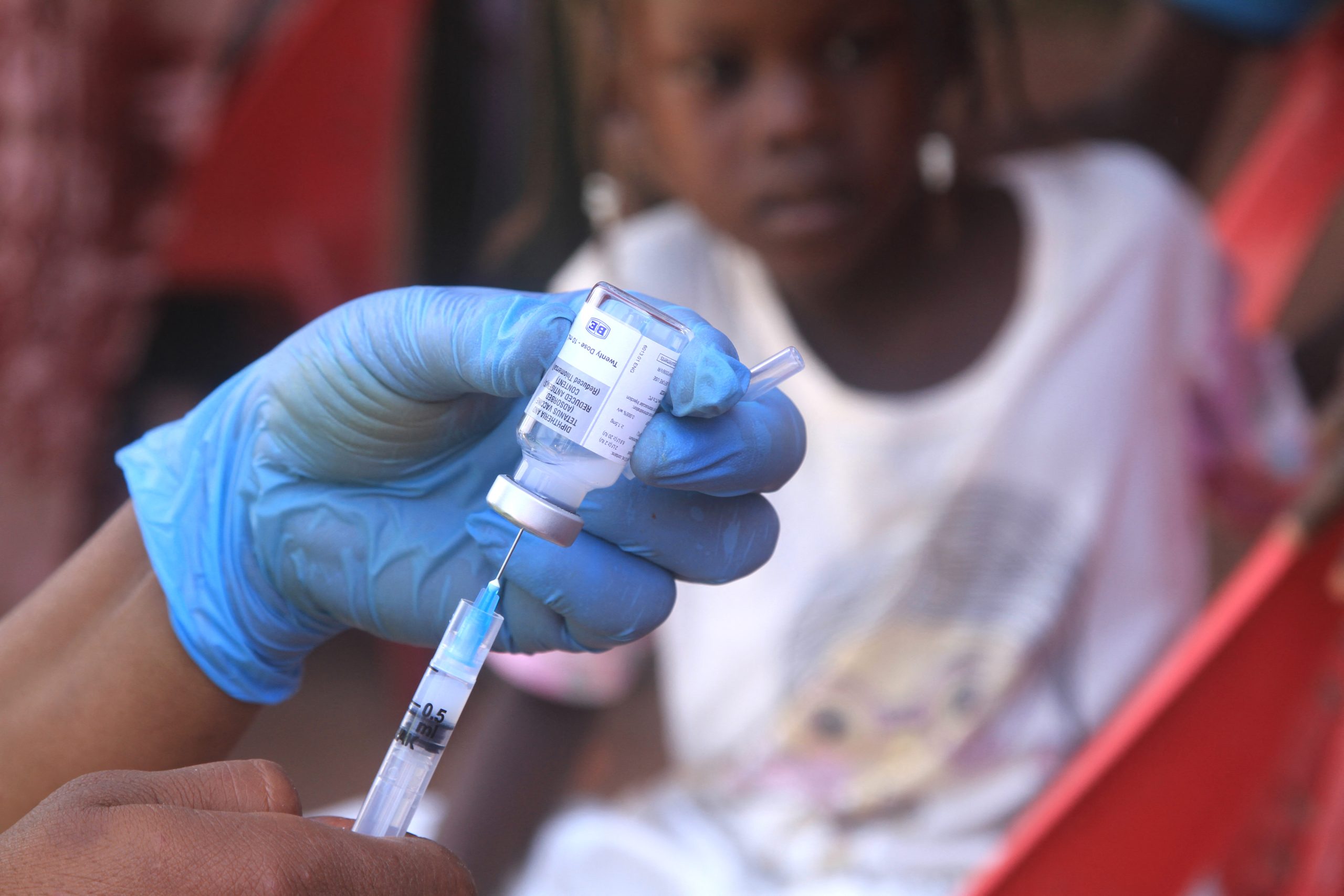
Global Health Crisis Looms: Aid Cuts Threaten Child Survival
Decades of remarkable progress in reducing child mortality are in danger of being reversed, with recent projections indicating a stark increase in preventable deaths among children under five. A new report by the Institute for Health Metrics and Evaluation (IHME), in collaboration with the Gates Foundation, estimates that 4.8 million young children will die before their fifth birthday this year. This grim figure includes an additional 200,000 deaths directly attributable to cuts in international aid, threatening to undo years of hard-won gains in global health.
The Stalled Progress: A Perfect Storm
For years, the world has celebrated significant advancements in child health. Innovations like insecticide-treated mosquito nets, improved malaria treatments, and enhanced neonatal care have dramatically reduced mortality rates. Widespread vaccination programs against diseases like measles, diphtheria, and pneumonia have also played a crucial role in safeguarding children’s lives. However, this positive trajectory is now facing significant headwinds.
The IHME report points to a confluence of factors contributing to the alarming reversal. Cuts in international aid are a primary driver, limiting access to essential healthcare services, medications, and preventative measures. These cuts impact not only immediate treatment but also long-term investments in healthcare infrastructure and training, creating a ripple effect that undermines the entire system. Other contributing factors may include economic instability in developing nations, conflict and displacement disrupting healthcare access, and the ongoing effects of the COVID-19 pandemic on healthcare systems.
The Human Cost: Beyond the Numbers
The projected 200,000 additional deaths represent more than just statistics. Each number reflects a life tragically cut short, a family devastated, and a community robbed of its potential. These deaths are largely preventable, highlighting the moral imperative to address the underlying causes and reverse the current trend. The impact will be felt most acutely in already vulnerable regions, exacerbating existing inequalities and hindering overall development.
The findings serve as a stark reminder that global health progress is not guaranteed and requires sustained commitment and investment. Failing to prioritize child health will have long-lasting consequences, undermining the future of entire generations and hindering progress towards a more equitable and sustainable world.
Conclusion: A Call to Action
The IHME report is a wake-up call, urging governments, international organizations, and individuals to prioritize child health and reverse the dangerous trend of aid cuts. Investing in healthcare, strengthening health systems, and ensuring access to essential services are crucial steps in safeguarding the lives of vulnerable children and reaffirming the commitment to a healthier future for all. The time to act is now, before more lives are needlessly lost.
Based on materials: Vox



