
Trump’s Security Strategy: A New Cold War with Europe?
President Trump’s newly released National Security Strategy (NSS) signals a dramatic shift in U.S. foreign policy, suggesting a growing ideological rift between America and its traditional European allies. While the document claims to eschew lecturing other nations on governance, it appears to carve out an exception for Western Europe, hinting at a potential “clash of civilizations” based on differing values and approaches.
A Delayed and Contentious Release
The 2025 NSS was reportedly completed months ago, but its release was delayed amidst internal debates and proposed amendments. This suggests significant disagreements within the administration regarding the strategy’s direction, particularly concerning its stance on Europe. The fact that the document underwent such scrutiny highlights the sensitivity and potential impact of its pronouncements.
Beyond Patronizing Lectures: A Deeper Divide?
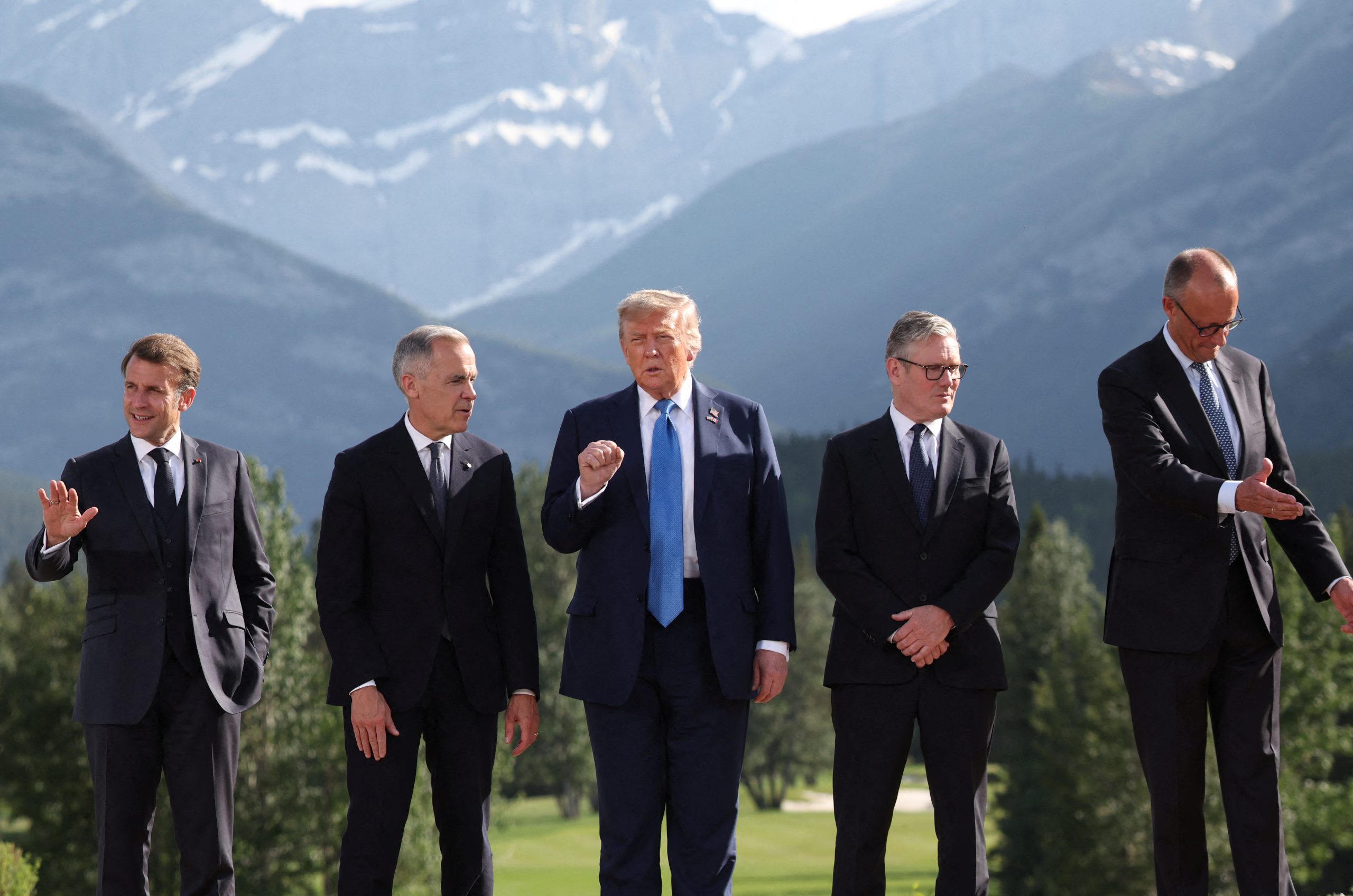
The NSS’s assertion that the U.S. is no longer in the business of “molding other societies” rings hollow when considering its apparent focus on Western Europe. This suggests the administration views Europe’s liberal values and policies as fundamentally incompatible with its own, potentially leading to friction on issues ranging from trade and immigration to climate change and defense spending. The document risks creating a self-fulfilling prophecy, fostering distrust and animosity where cooperation once prevailed. The G7 photo op of Trump, Macron, Carney, Starmer and Merz may soon be a distant memory.
Implications for Transatlantic Relations
This shift in strategy has profound implications for transatlantic relations. For decades, the U.S. and Europe have been key partners in promoting democracy, security, and economic prosperity. The NSS’s implicit criticism of European liberalism threatens to undermine this partnership, potentially weakening the Western alliance and creating opportunities for rival powers like Russia and China to expand their influence. While economic ties will likely remain strong, political and ideological differences could increasingly strain relations. The question remains, will these strains manifest as mere disagreements or develop into a full-blown cold war of ideologies?
Conclusion: A Future of Uncertainty
The Trump administration’s National Security Strategy presents a complex and potentially destabilizing vision for U.S. foreign policy. Its focus on Western Europe suggests a growing ideological divide that could reshape transatlantic relations for years to come. Whether this divergence leads to constructive dialogue or escalating conflict remains to be seen. The world watches anxiously as this new chapter in international relations unfolds.
Based on materials: Vox



