
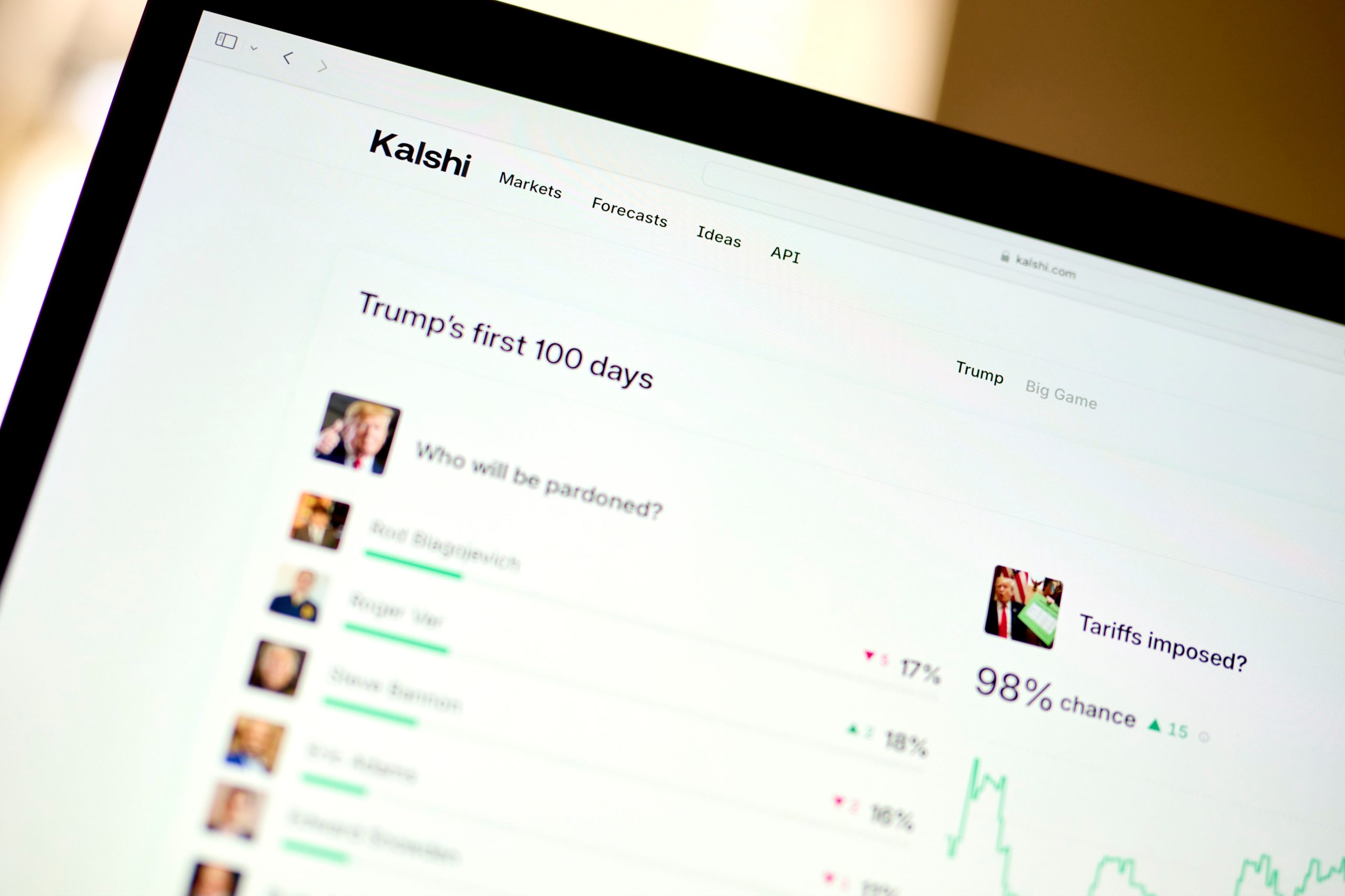
The rise of prediction markets is transforming the way people engage with politics and current events, but is this innovative trend a harmless form of entertainment or a potential breeding ground for scandals? Platforms like Kalshi and Polymarket are experiencing a surge in popularity, allowing users to wager on a wide range of outcomes, from election results to economic indicators and even pop culture events. This raises significant questions about the future of political discourse and the potential for manipulation.
How Prediction Markets Work
Prediction markets operate similarly to stock exchanges. Instead of trading shares of companies, users buy and sell contracts based on the likelihood of specific events occurring. The price of these contracts fluctuates based on supply and demand, reflecting the collective sentiment of the market participants. For example, if a contract predicting a particular candidate’s victory in an election is trading at $0.70, it suggests that the market believes there is a 70% chance of that candidate winning. When the event occurs, the contract pays out $1, providing a return on investment for those who accurately predicted the outcome.
The Allure and Growth of Prediction Markets
The appeal of prediction markets lies in their ability to aggregate information and provide a real-time assessment of probabilities. Unlike traditional polls or expert opinions, these markets incentivize participants to put their money where their mouth is, theoretically leading to more accurate forecasts. The recent surge in activity on platforms like Kalshi and Polymarket, with nearly $10 billion in combined bets last month alone, indicates a growing appetite for this form of engagement. This boom reflects a desire for more interactive participation in political and social events, but also carries risks.
Potential Pitfalls and Ethical Concerns
While prediction markets offer potential benefits, they also raise serious concerns about manipulation and ethical considerations. The possibility of insiders using privileged information to profit from these markets is a major risk. Furthermore, the incentives created by betting on political outcomes could potentially influence behavior. For instance, someone with a large stake in a particular election result might be tempted to spread misinformation or engage in other forms of manipulation to sway the outcome. The recent rise in sports betting scandals serves as a cautionary tale, highlighting the potential for corruption when money is involved. Regulation is needed to mitigate these risks and ensure the integrity of these markets.
Conclusion
Prediction markets represent a fascinating intersection of finance, politics, and technology. They offer a new way for people to engage with current events and test their predictive abilities. However, it is crucial to address the potential risks associated with these markets, including manipulation, insider trading, and the potential for undue influence on political outcomes. As prediction markets continue to grow, it is essential to implement appropriate regulations and ethical guidelines to ensure their integrity and prevent them from becoming another source of scandal and distrust.
Based on materials: Vox



