
The Gray Tsunami: How Aging America Impacts Young Voters’ Future
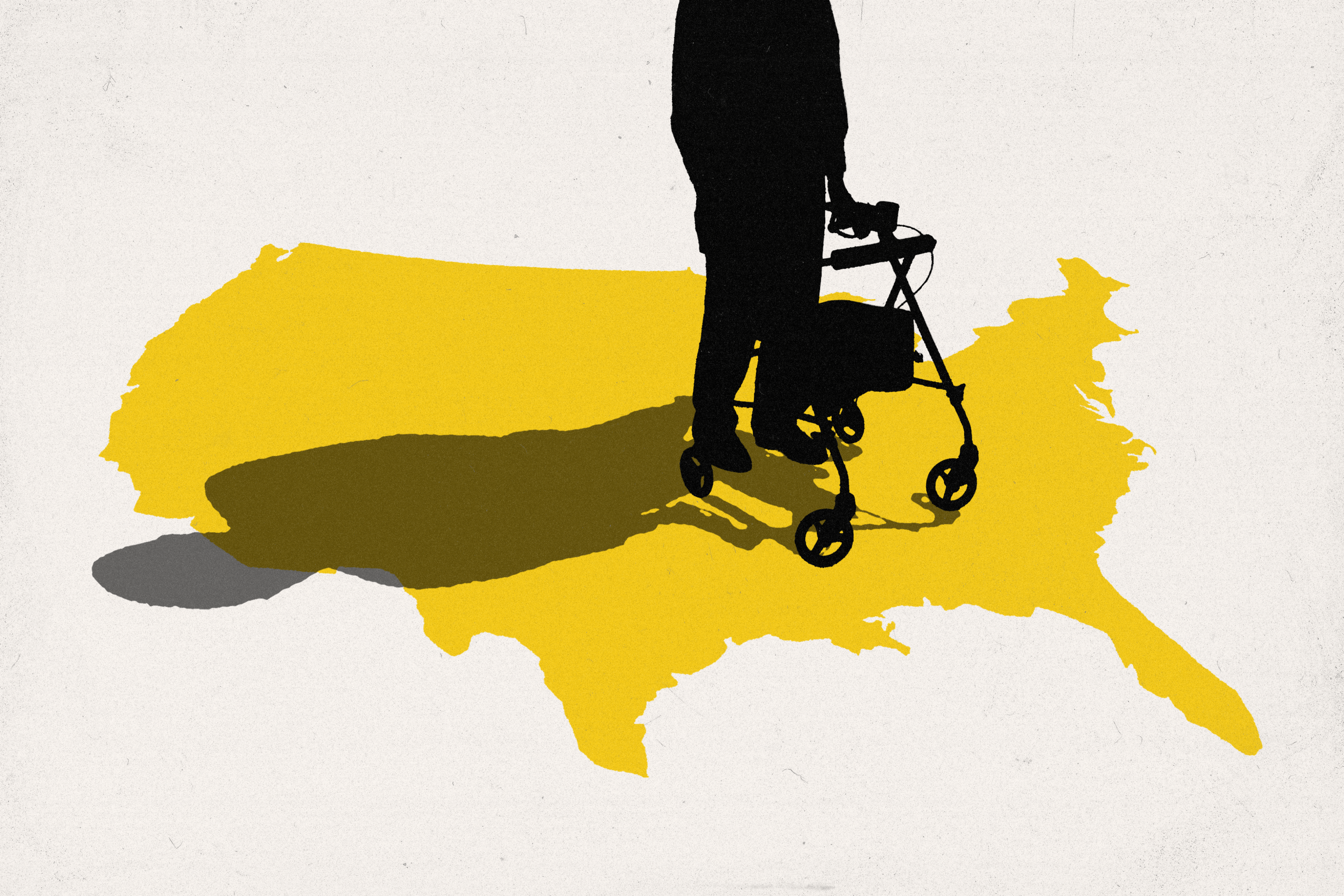
America is experiencing a profound demographic shift, a “graying” of the nation that’s poised to reshape the political landscape and potentially disadvantage younger generations. The number of Americans over 65 has doubled since 1960, soaring from 9% to 18% in 2024. This trend is projected to accelerate, with seniors outnumbering children within the next decade, according to Census Bureau estimates. By 2060, those over 65 could comprise a quarter of the entire population, a monumental transition with far-reaching consequences.
The Rise of Silver Power at the Ballot Box
This demographic shift has significant political implications. Older voters already wield considerable influence, accounting for 29% of the US electorate in 2024. Historically, their influence was tempered by their smaller population share. However, as the senior population swells, so does their political clout, creating a dynamic where the needs and preferences of older Americans may increasingly dominate policy decisions. High voter turnout rates among seniors further amplify their political power, ensuring their voices are heard loud and clear in elections.
Generational Equity and the Policy Divide
This growing disparity raises concerns about generational equity. As the senior population expands, so too does the pressure on government resources like Social Security and Medicare. This can lead to difficult policy choices, potentially diverting funds from programs that benefit younger generations, such as education, infrastructure, and climate change initiatives. The political focus may shift towards issues that are primarily of concern to older voters, potentially neglecting the needs and priorities of younger demographics. This could lead to increased tensions between generations as they compete for limited resources and political influence.
Navigating the Future: A Call for Balanced Representation
The aging of America presents both challenges and opportunities. While it’s crucial to ensure the well-being of our senior citizens, it’s equally vital to safeguard the interests of younger generations. Finding solutions that promote intergenerational cooperation and ensure a fair distribution of resources is essential. This requires active engagement from younger voters to ensure their voices are also heard by elected officials. A balanced approach to policymaking, one that considers the needs of all age groups, is crucial for building a sustainable and equitable future for all Americans.
In conclusion, the rise of “silver power” in America presents a complex challenge. While honoring our elders is paramount, we must also ensure that the concerns of younger generations are not overlooked. The future of American society depends on our ability to navigate this demographic shift with wisdom, fairness, and a commitment to intergenerational equity.
Based on materials: Vox



