
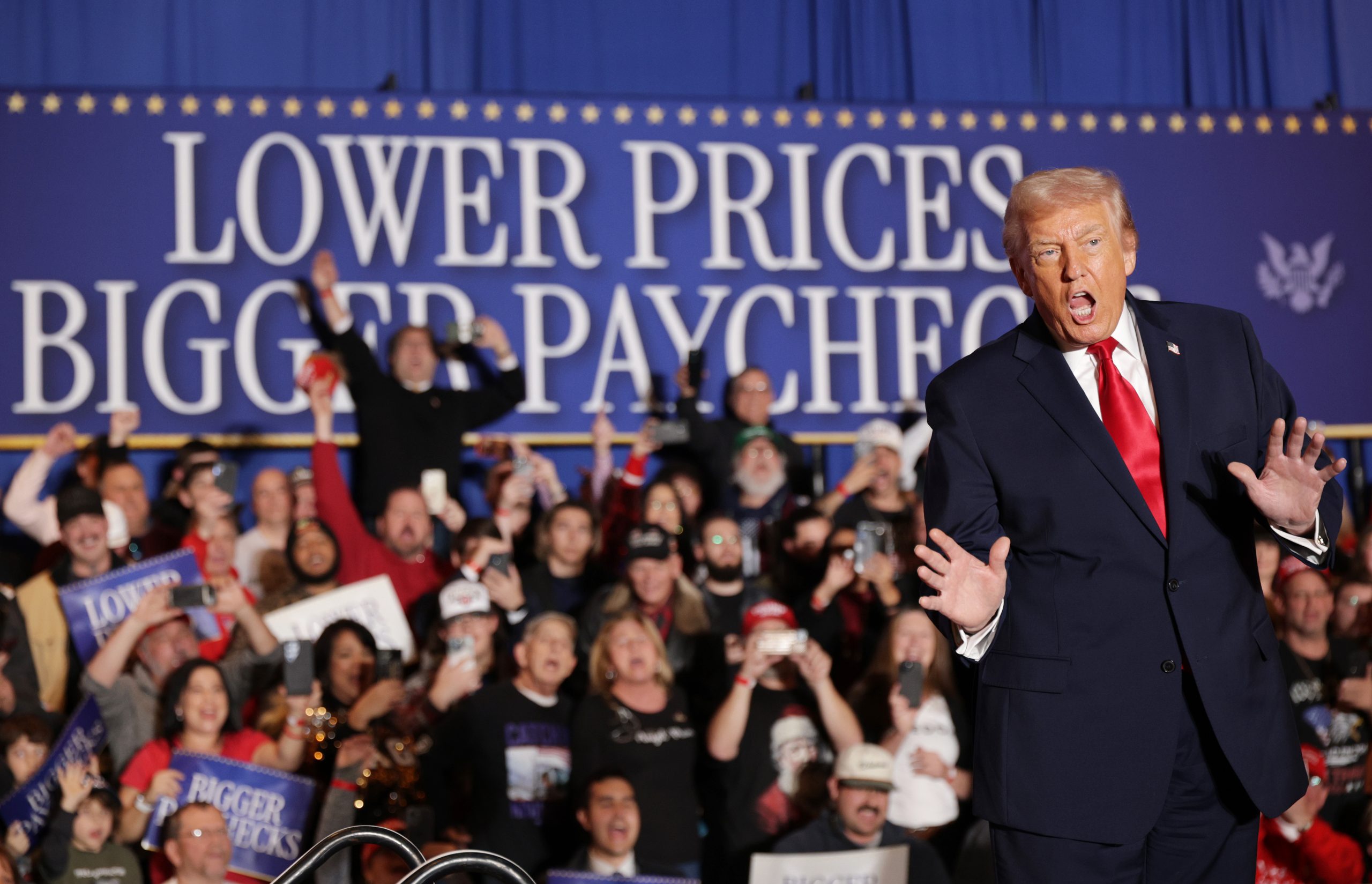
Donald Trump’s second presidency, initially fueled by a surprising surge in support across racial and socioeconomic lines, is facing headwinds. The once-confident administration, which began with bold executive orders and a compliant Republican Congress, is now grappling with eroding support. What’s causing this shift? Several theories attempt to explain the unraveling of Trump’s 2024 coalition.
Economic Discontent and Unfulfilled Promises
One key factor is the economy. Despite initial promises of prosperity, many working-class voters who flocked to Trump in 2024 are feeling left behind. Rising inflation, coupled with stagnant wages, has dampened enthusiasm. While Trump’s administration points to job creation figures, critics argue that these jobs are often low-paying and lack the benefits that once defined the American middle class. The perception that Trump’s economic policies disproportionately benefit the wealthy elite further fuels discontent.
The Fallout from Deportation Policies
Another significant challenge stems from Trump’s aggressive deportation policies. While these policies initially resonated with a segment of his base, their implementation has sparked widespread criticism and outrage. Reports of families being separated and individuals with deep ties to their communities being deported have alienated moderate voters and even some within Trump’s own party. The human cost of these policies is becoming increasingly apparent, and the political fallout is undeniable.
Internal Conflicts and Shifting Narratives
Beyond policy failures, internal conflicts within Trump’s inner circle and the broader conservative movement are contributing to the administration’s woes. Public spats among prominent influencers and commentators who once championed Trump are becoming increasingly common. This fracturing of the conservative narrative creates confusion and disillusionment among supporters, making it harder to maintain a unified front. Furthermore, the rise of alternative voices within the right-wing media landscape challenges Trump’s dominance over the information ecosystem.
Conclusion
The decline in Trump’s support is a complex phenomenon with roots in economic anxieties, controversial policies, and internal divisions. While it’s too early to predict the ultimate outcome of his second term, the challenges he faces are undeniable. Whether he can adapt his policies and messaging to regain the trust of his base remains to be seen. The coming months will be crucial in determining the trajectory of his presidency and the future of American politics.
Based on materials: Vox



