
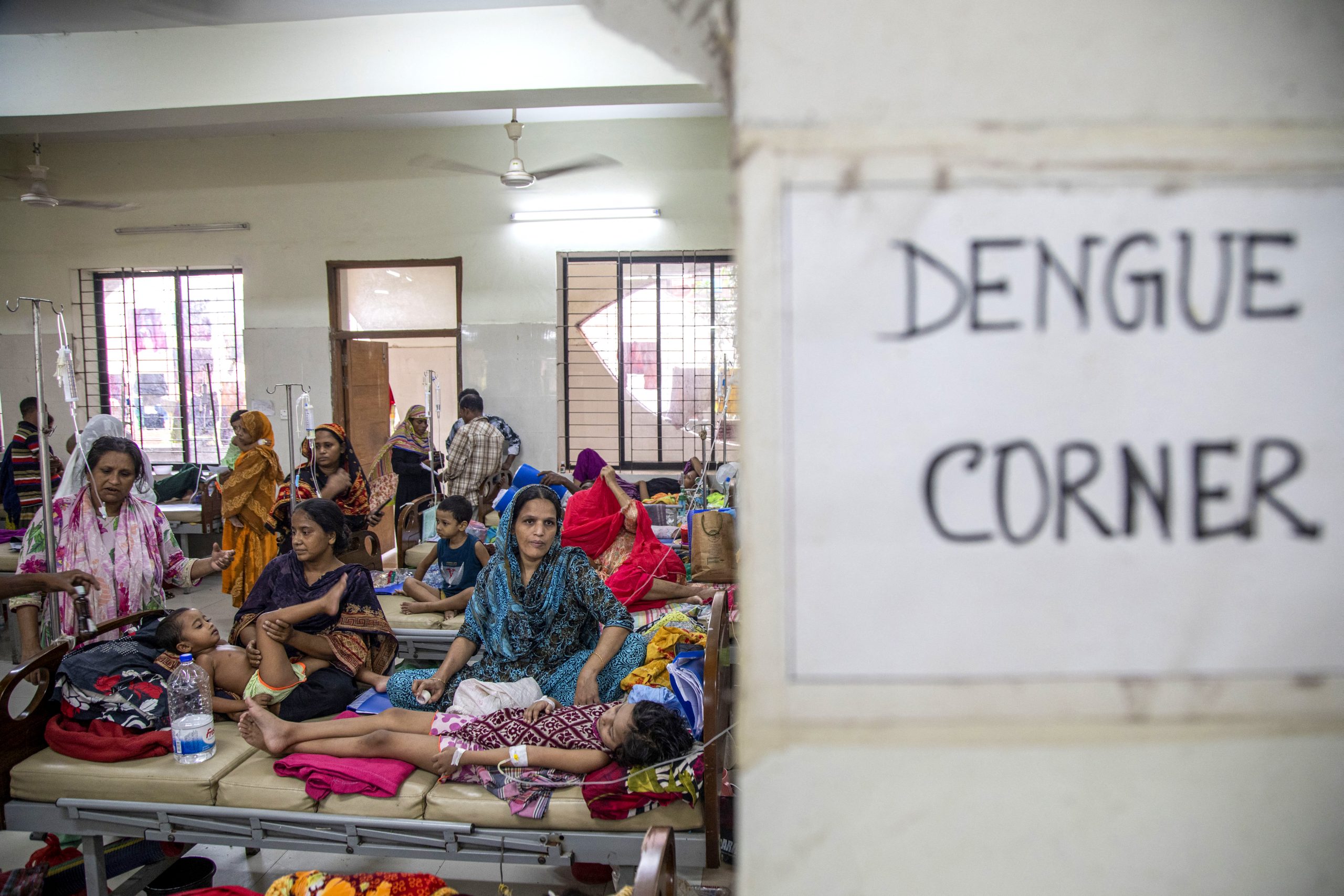
Dengue Fever’s Global Surge: A Cure Exists, But Access Lags
Dengue fever, a mosquito-borne illness infamous for its excruciating symptoms aptly nicknamed “breakbone fever,” is experiencing a worrying surge globally. While a life-saving treatment exists, its availability remains a significant hurdle, particularly in regions most affected by the disease. The situation underscores the urgent need for equitable healthcare access and preventative measures to combat this growing public health threat.
A Disease on the Rise: Beyond the Tropics
Dengue’s symptoms are far from mild. Beyond the fever, sufferers endure debilitating joint pain, intense aches behind the eyes, and, in severe instances, leaky blood vessels that can lead to organ failure. The World Health Organization (WHO) estimates that over 14 million people contracted dengue last year, a figure believed to be significantly underreported. While historically concentrated in South Asia and Latin America, dengue is no longer confined to tropical climates. Rising global temperatures are expanding the mosquito’s habitat, leading to outbreaks in southern Europe and even the United States. Texas, for example, witnessed a two-decade high in dengue cases last year, with evidence of local transmission, signaling the virus’s establishment within the state.
The Treatment Gap: Access vs. Availability
The good news is that effective treatments for dengue exist, significantly reducing the risk of severe complications and death. However, the availability of these treatments is uneven, creating a critical gap in access. Factors like inadequate healthcare infrastructure, high treatment costs, and a lack of awareness contribute to this disparity. In many dengue-prone regions, hospitals are overwhelmed, resources are stretched thin, and timely diagnosis and treatment are often unattainable for those most in need. This situation demands a multi-pronged approach, including strengthening healthcare systems, increasing public education about dengue prevention and early detection, and ensuring affordable access to treatment for all.
Beyond Treatment: Prevention is Key
While effective treatments are crucial, preventing dengue infection remains paramount. This involves comprehensive mosquito control strategies, such as eliminating breeding grounds, using mosquito repellents, and promoting the use of mosquito nets. Furthermore, research into vaccines and innovative vector control methods is essential for long-term dengue prevention. Global collaboration is also vital, enabling the sharing of knowledge, resources, and best practices to combat this escalating health challenge.
Conclusion
The global surge in dengue fever cases is a stark reminder of the interconnectedness of climate change, public health, and healthcare equity. While a cure exists, its limited accessibility underscores the urgent need for improved healthcare infrastructure, affordable treatment options, and enhanced prevention strategies. Only through a concerted global effort can we effectively combat this debilitating disease and protect vulnerable populations from its devastating consequences.
Based on materials: Vox



