
The Climate Crossroads: Beyond 1.5°C, But Not Beyond Hope
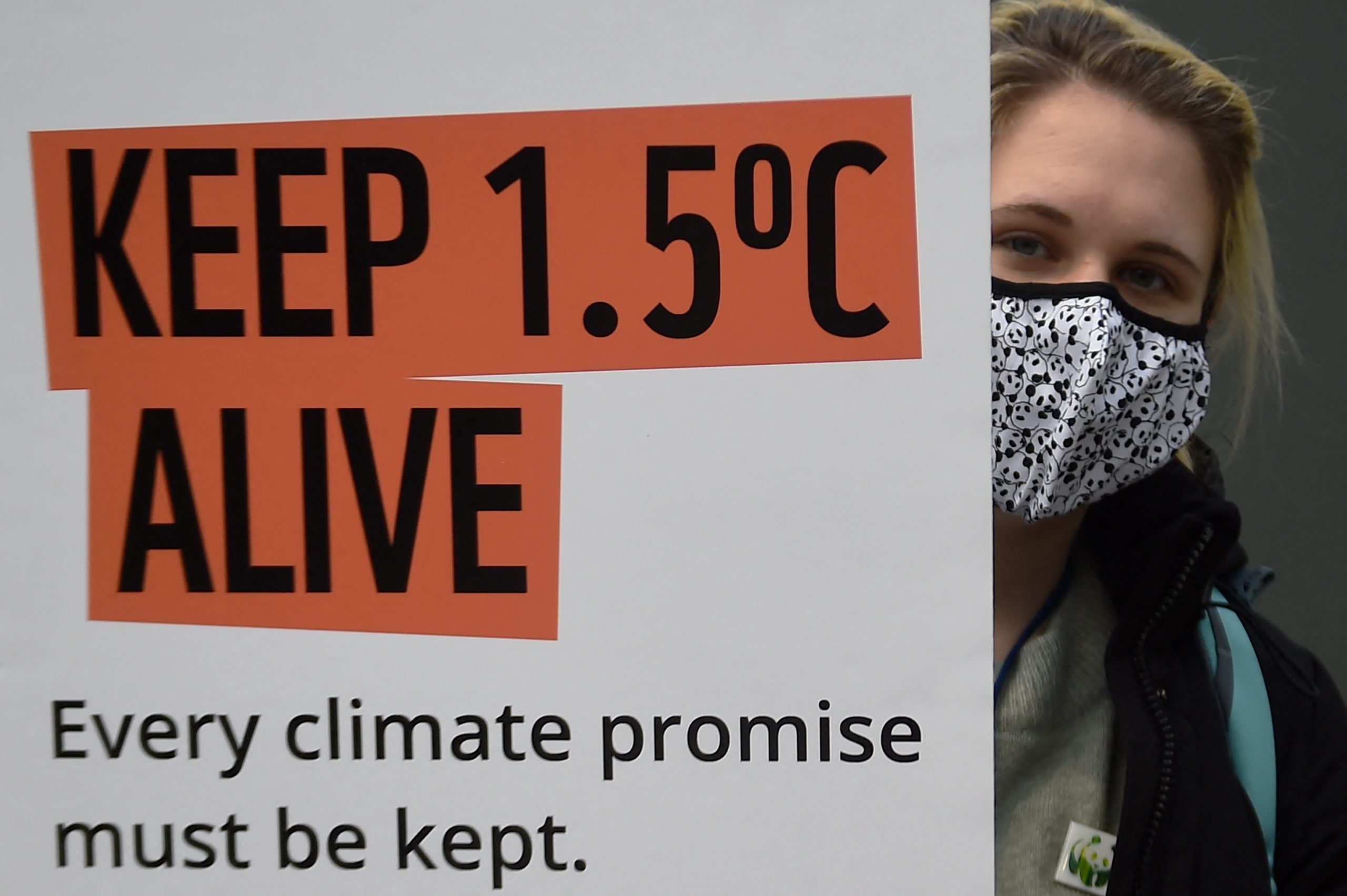
For years, the aspirational target of limiting global warming to 1.5 degrees Celsius above pre-industrial levels has been the lodestar guiding climate action. The 1.5°C threshold represented a seemingly manageable level of climate change impacts. Now, reality has hit hard. UN Secretary-General António Guterres has acknowledged that a temporary overshoot is “inevitable,” signaling a grim milestone in our planet’s warming trajectory. But does this mean all is lost? Absolutely not.
The Inevitable Overshoot: A Moment of Truth
Climate scientists have long warned that even the most optimistic emissions reduction scenarios would likely lead to a temporary breach of the 1.5°C limit. This year’s extreme weather events, from devastating floods to record-breaking heatwaves, have underscored the urgency and the severity of the climate crisis. The acknowledgment that we will surpass this threshold, even temporarily, forces a crucial shift in perspective. The focus must now transition from solely preventing the breach to aggressively minimizing its duration and magnitude.
Beyond the Threshold: Adapting and Mitigating
While exceeding 1.5°C presents significant challenges, it doesn’t equate to a climate apocalypse. The critical emphasis shifts to limiting the “overshoot” and swiftly returning to a lower temperature trajectory. This demands an intensified commitment to both mitigation and adaptation strategies. Mitigation involves drastically reducing greenhouse gas emissions through transitioning to renewable energy sources, improving energy efficiency, and implementing sustainable land management practices.
Simultaneously, adaptation strategies are crucial for building resilience to the impacts of climate change already being felt. These strategies encompass infrastructure improvements, enhanced disaster preparedness, and the development of climate-resilient agriculture. Innovation in technologies like carbon capture and storage will also play a vital role in drawing down atmospheric carbon dioxide and accelerating the return to safer temperature levels.
Conclusion: A Call to Redoubled Action
The breach of the 1.5°C threshold is a stark reminder of the profound challenges we face. While the news may seem disheartening, it serves as a powerful catalyst for redoubled action. It is not time to surrender to despair, but rather to embrace a more pragmatic and urgent approach. By focusing on limiting the duration and magnitude of the overshoot, investing in both mitigation and adaptation, and fostering global collaboration, we can still avert the most catastrophic consequences of climate change and build a more sustainable future. The fight is far from over; it has simply entered a new, more critical phase.
Based on materials: Vox



