
Political Winds Threaten Key Weather Research Center
America’s weather forecasting capabilities could be facing a significant blow, as political tensions appear to be targeting one of the nation’s leading atmospheric research institutions. The National Center for Atmospheric Research (NCAR) in Boulder, Colorado, a globally recognized hub for climate, weather, and wildfire science, is reportedly facing a potential restructuring that could see its functions dispersed. This move has sparked concern among scientists and observers, who fear that political motivations are undermining critical scientific infrastructure.
A Potential Political Vendetta?
The proposed changes to NCAR have emerged amidst a backdrop of escalating political friction between the Trump administration and Colorado Governor Jared Polis. The timing of the announcement, which came shortly after the cancellation of substantial federal grants for Colorado and a public rebuke of Polis by then-President Trump, has fueled speculation that the move is politically motivated. While officials have not explicitly stated the reasons behind the potential restructuring, the sequence of events has raised serious questions about the integrity of scientific research and the potential for political interference.
Impact on Weather Forecasting and Climate Research
NCAR plays a vital role in advancing our understanding of weather patterns, climate change, and wildfire behavior. Its research informs weather forecasts, helps communities prepare for extreme weather events, and contributes to the global effort to understand and mitigate climate change. Dispersing NCAR’s functions could disrupt ongoing research projects, hinder collaboration among scientists, and ultimately weaken the nation’s ability to predict and respond to environmental challenges. The center’s supercomputing capabilities are also crucial for running complex climate models, and any disruption to these resources could have far-reaching consequences for climate research.
A Broader Trend of Political Interference
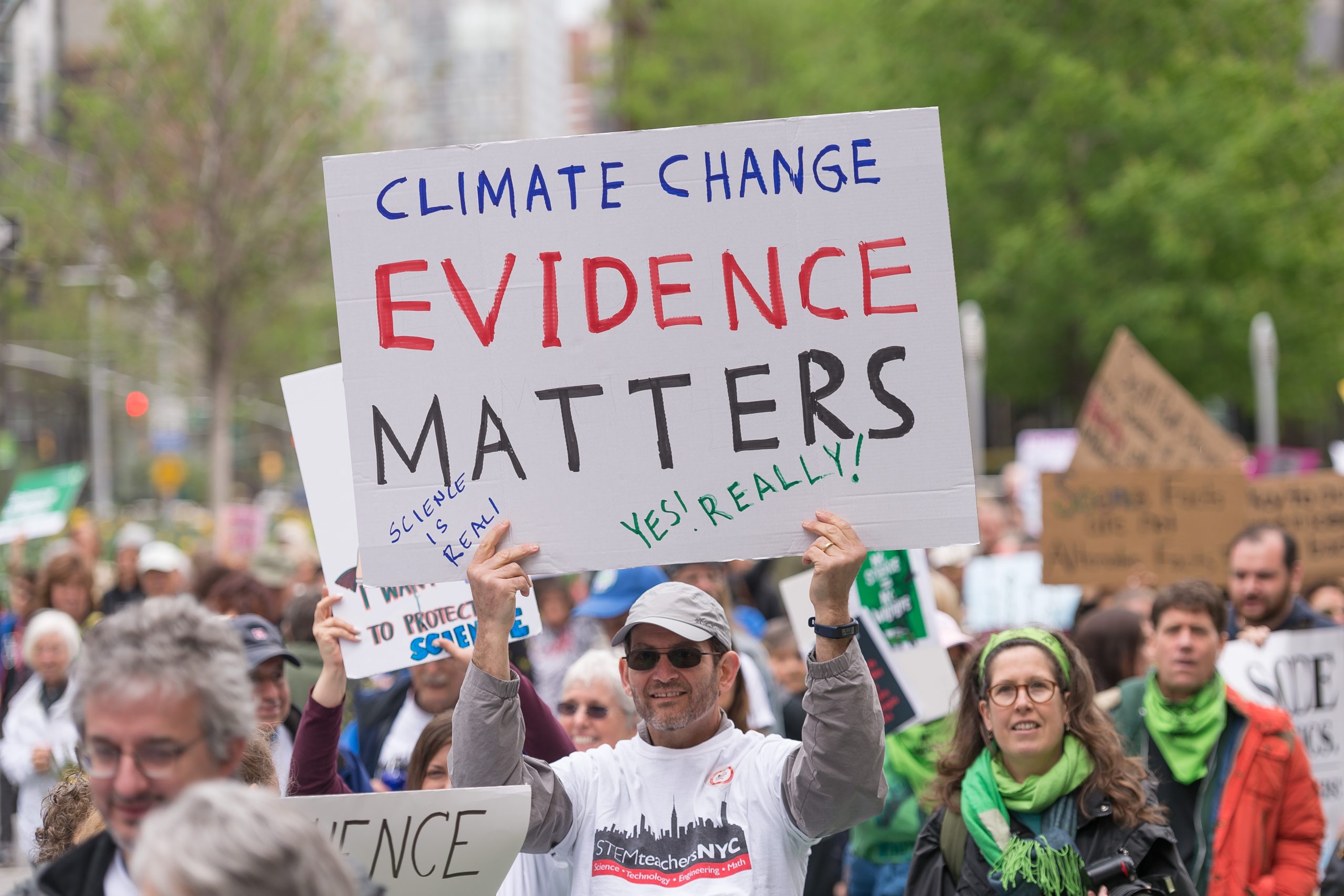
The situation at NCAR is not an isolated incident. Critics argue that it reflects a broader trend of political interference in scientific research during the Trump administration. Concerns have been raised about the sidelining of federal scientists, the dismantling of research institutions, and the suppression of scientific findings that contradict political agendas. Such actions not only undermine the credibility of science but also jeopardize public health, safety, and environmental protection.
Conclusion
The potential restructuring of NCAR serves as a stark reminder of the importance of safeguarding scientific institutions from political influence. The integrity of weather forecasting and climate research depends on the ability of scientists to conduct their work independently and without fear of retribution. As the nation faces increasingly complex environmental challenges, it is crucial to ensure that scientific expertise is valued and protected, not undermined by political agendas. The future of NCAR, and indeed the future of American science, hangs in the balance.
Based on materials: Vox



