
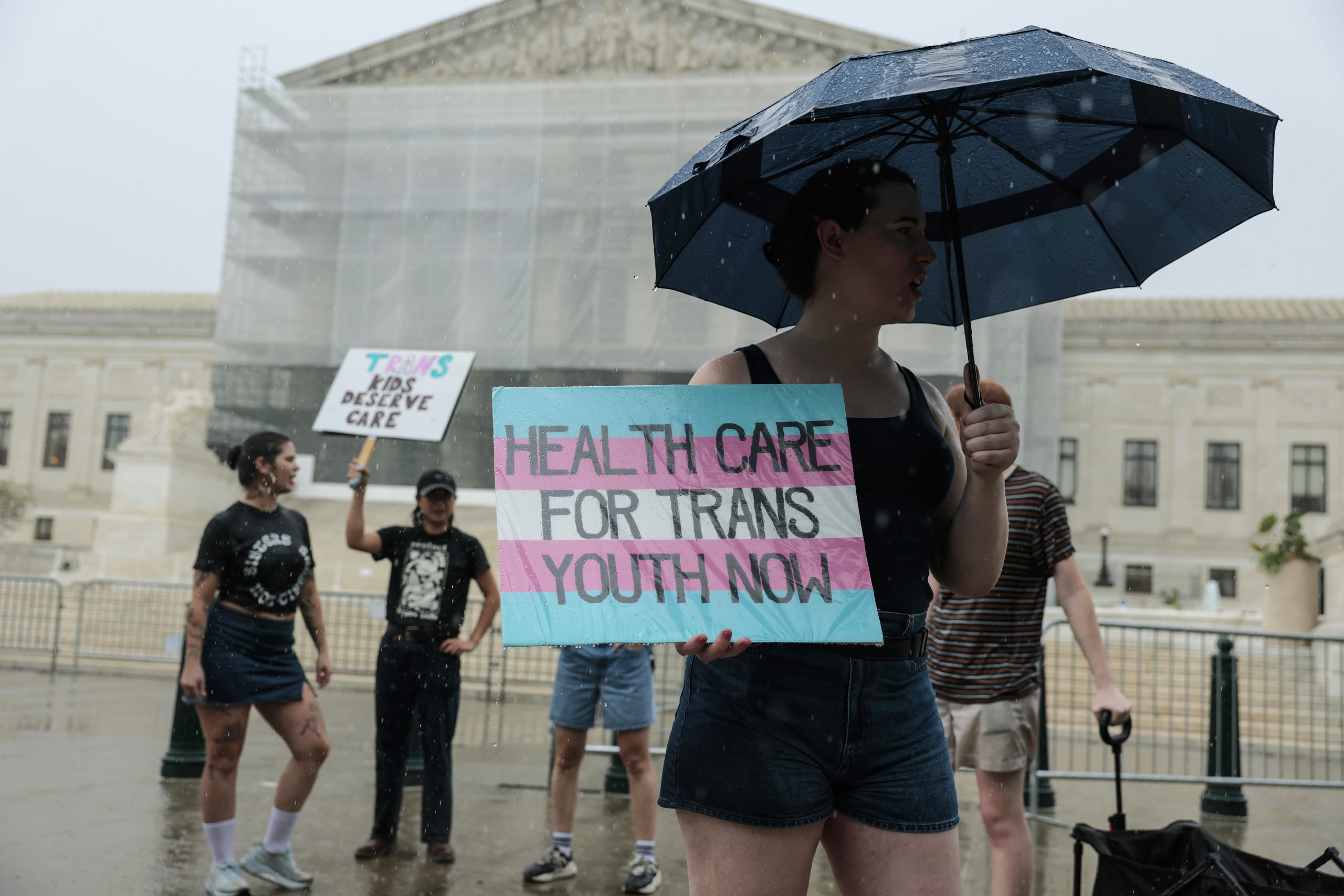
Trump Administration Intensifies Restrictions on Transgender Healthcare
The Trump administration is once again under scrutiny for its policies affecting the transgender community, specifically escalating its efforts to restrict access to gender-affirming healthcare. This recent move has sparked widespread debate and raised concerns about the well-being of transgender minors.
New Rules Aim to Limit Access to Care
Health Secretary Robert F. Kennedy Jr. announced Thursday that the federal government is moving to block access to gender-affirming care for transgender minors. This includes treatments such as puberty blockers, hormone therapy, and surgical procedures. The Department of Health and Human Services (HHS) is proposing two key rules aimed at achieving this goal.
The first proposed rule targets federal funding, specifically threatening to cut off Medicare and Medicaid funding to hospitals that provide gender-affirming care to minors. This would severely impact the financial viability of these institutions, potentially forcing them to discontinue these services. The second proposed rule further restricts access by [details of second rule – omitted from source text].
Impact and Analysis
This policy shift represents a significant escalation in the administration’s stance on transgender rights. Opponents argue that these restrictions deny transgender youth necessary medical care, potentially leading to negative mental health outcomes and increased risk of suicide. Gender-affirming care is often recommended by medical professionals as a crucial part of a transgender individual’s development and well-being.
Supporters of the restrictions, on the other hand, argue that these treatments are experimental and potentially harmful to minors who may not fully understand the long-term consequences. They advocate for delaying gender-affirming care until individuals reach adulthood and can make more informed decisions.
This debate highlights the complex ethical and medical considerations surrounding transgender healthcare. The proposed rules are likely to face legal challenges, and the outcome could have lasting implications for transgender individuals and healthcare providers across the country.
Conclusion
The Trump administration’s latest actions regarding transgender healthcare have ignited a fierce debate over access to medical care and the rights of transgender individuals. As the proposed rules move through the regulatory process, the issue is certain to remain a focal point of political and social discourse. The long-term impact on the transgender community and the future of healthcare access will depend on the outcome of these policy battles.
Based on materials: Vox



