
Trump Halts East Coast Wind Farms, Citing Unspecified Risks
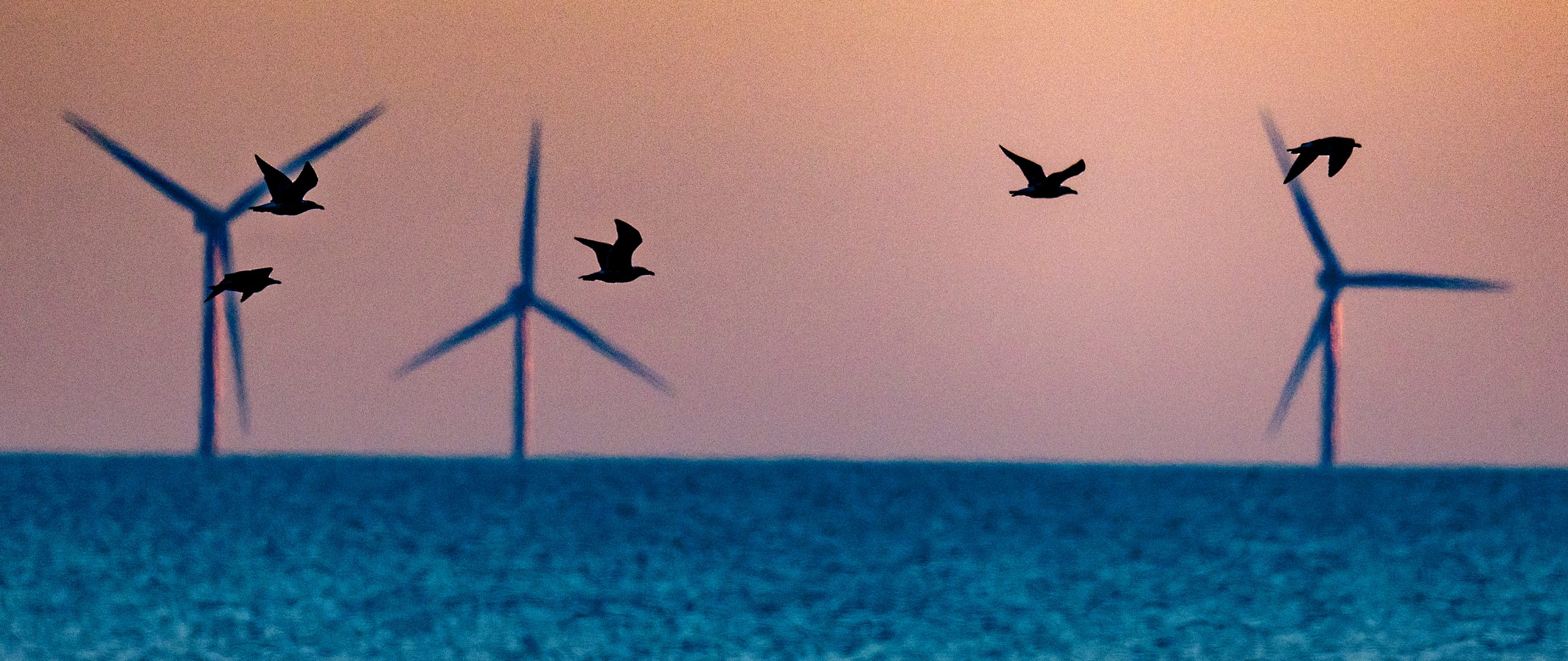
The Trump administration has ignited a fresh wave of controversy by halting leases for five in-progress wind farm projects off the East Coast, citing unspecified “national security risks.” This abrupt decision throws billions of dollars of investment into uncertainty and casts a shadow over the future of renewable energy development in the region.
Projects Grounded Amidst Security Concerns
On Monday, the administration announced the lease suspension, effectively halting construction on projects near Massachusetts, New York, Virginia, Rhode Island, and Connecticut. One wind farm, already partially operational, will be forced to cease operations. The move has sparked outrage from environmental groups, renewable energy advocates, and state officials who view the projects as crucial for combating climate change and bolstering energy independence.
The administration has offered no concrete explanation for the alleged national security risks, fueling speculation that the decision is politically motivated. Trump has been a vocal critic of wind energy, often citing unsubstantiated claims about their impact on bird populations and aesthetics, and frequently praising fossil fuels. This latest action is seen by many as a continuation of his administration’s efforts to prioritize fossil fuel interests over renewable energy.
Economic and Environmental Impact
The halted projects represent a significant investment in renewable energy infrastructure and were expected to create thousands of jobs in the construction and operation phases. The suspension jeopardizes these economic benefits and throws the future of the projects into doubt.
Furthermore, the wind farms were projected to generate a substantial amount of clean electricity, reducing reliance on fossil fuels and lowering carbon emissions. The administration’s decision undermines efforts to combat climate change and transition to a more sustainable energy future.
A Contentious Future for Renewable Energy
The halt on these East Coast wind farms underscores the contentious political landscape surrounding renewable energy development. The administration’s actions raise serious questions about its commitment to clean energy and its willingness to prioritize unsubstantiated claims over the economic and environmental benefits of wind power. As legal challenges are expected, the fate of these projects, and the future of offshore wind energy in the United States, remain uncertain.
Based on materials: Vox



