
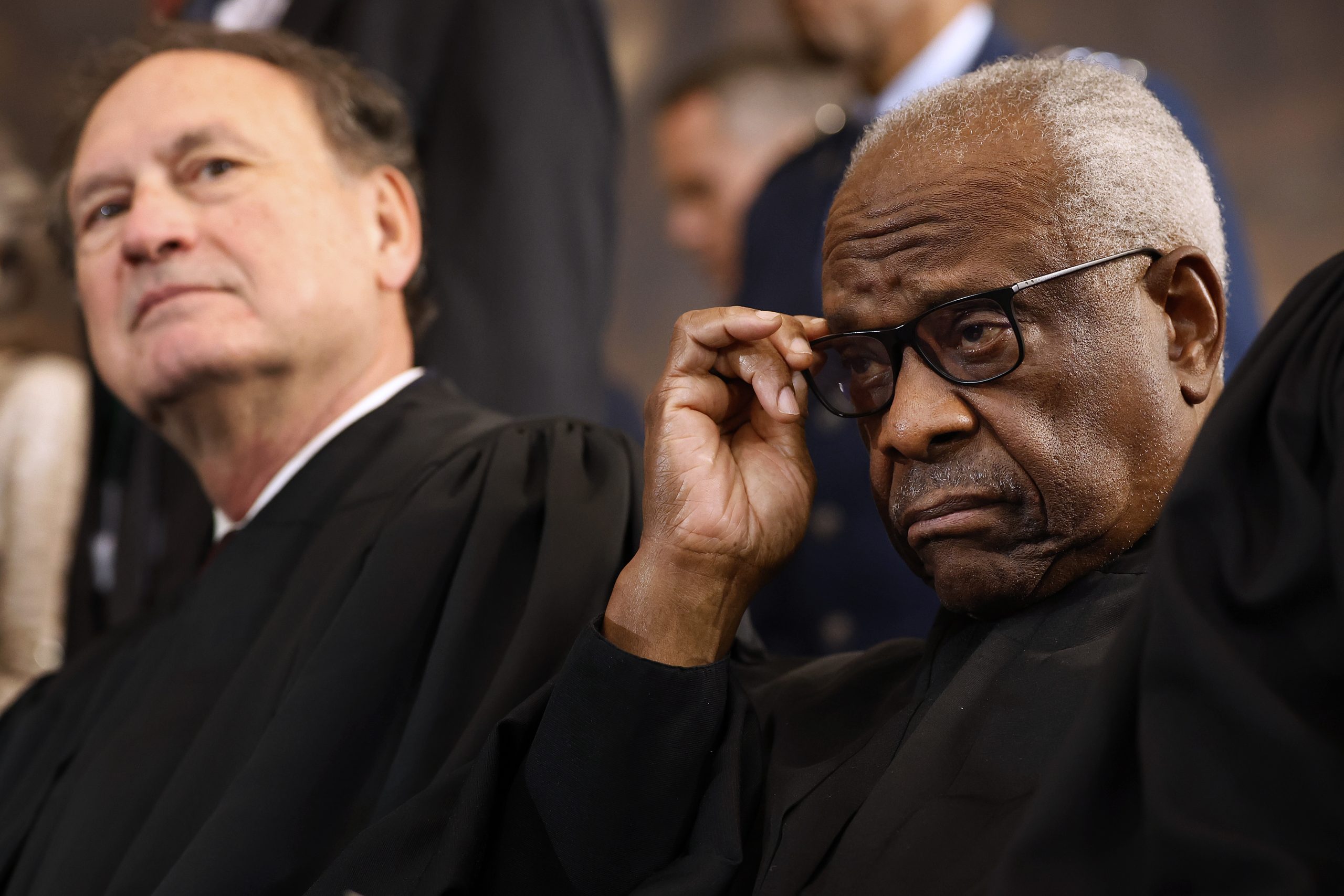
The Supreme Court, once viewed as a bastion of technocratic legal interpretation, is increasingly finding itself at the epicenter of America’s raging culture war. While landmark cases like Brown v. Board of Education and Roe v. Wade have punctuated its history, these politically charged rulings were historically a small fraction of the Court’s overall docket. Today, however, the landscape has shifted dramatically, thrusting the Court into the heart of the nation’s most divisive debates.
A Docket Steeped in Controversy
The upcoming 2024-2025 term promises to be a pivotal one, with a series of cases poised to ignite further controversy. The Court is expected to consider issues ranging from voting rights to LGBTQ+ rights, potentially reshaping the legal landscape in profound ways. One case threatens to significantly weaken the Voting Rights Act, potentially impacting minority representation and access to the ballot box.
Another case could legalize anti-LGBTQ+ “conversion therapy” nationwide, a move that would fly in the face of mounting scientific evidence and ethical concerns. The Court will also weigh in on the issue of transgender athletes in school sports, a flashpoint in the ongoing debate over gender identity and inclusion.
Executive Power and Gun Rights in the Spotlight
Beyond social issues, the Court is also set to tackle questions of executive power and gun rights. A case concerning the authority of the president over “independent agencies” could grant sweeping powers to the executive branch, potentially undermining the system of checks and balances. Furthermore, the Court is expected to further expand gun rights, building upon previous rulings that have broadened the scope of the Second Amendment. The court is also expected to rule on whether Trump can be held accountable for actions taken while in office.
A Court Under Scrutiny
This confluence of high-stakes cases has placed the Supreme Court under intense scrutiny. Critics argue that the Court’s conservative majority is increasingly willing to impose its ideological preferences on the nation, disregarding legal precedent and democratic principles. Supporters, on the other hand, contend that the Court is simply fulfilling its constitutional duty to interpret the law, even when those interpretations are unpopular.
As the Supreme Court prepares to grapple with these critical issues, its decisions will undoubtedly have a lasting impact on American society, further fueling the culture war and shaping the future of the nation.
SOURCE: Vox
Based on materials: Vox



