
NYC’s New Mayor: Mamdani Faces Governance Hurdles
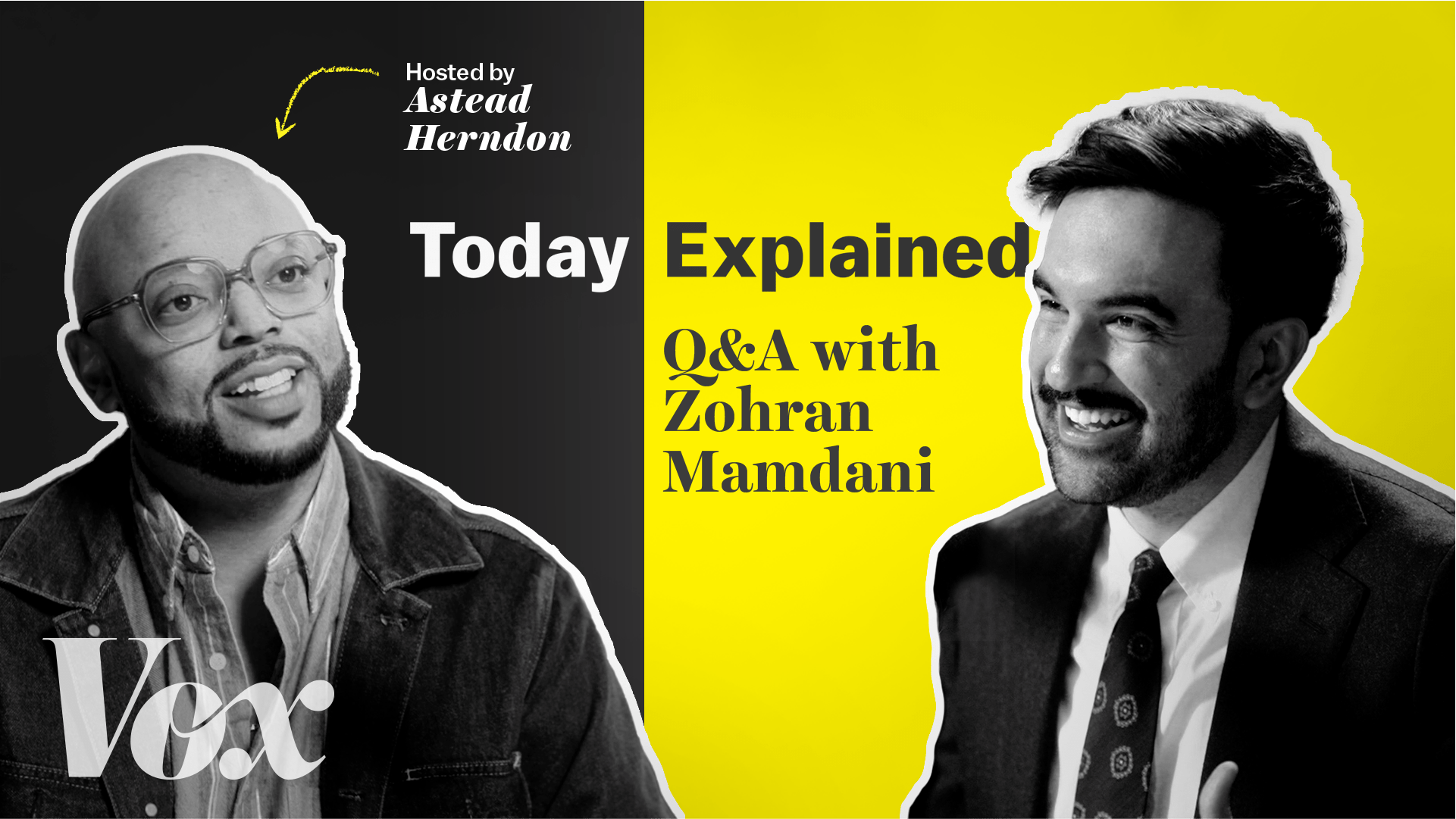
Zohran Mamdani’s meteoric rise to become New York City’s Mayor in 2025 has been nothing short of a political earthquake. The 34-year-old former state assembly member, a relative unknown, defied expectations by securing a Democratic primary victory against heavyweights like incumbent Mayor Eric Adams and former Governor Andrew Cuomo. His subsequent general election win cemented his position as a disruptor, fueled by a cutting-edge social media strategy, enthusiastic engagement of new voters, and an unapologetic embrace of his progressive credentials, including his pro-Palestinian activism and affiliation with the Democratic Socialists of America (DSA).
But the path from campaigning to governing is rarely smooth. Now, Mayor-elect Mamdani faces the daunting task of translating ambitious campaign promises into tangible realities, a challenge that has already ignited debate and exposed the inherent complexities of governing a city as vast and diverse as New York.
From Campaign Trail to City Hall: Bridging the Divide
Mamdani’s campaign resonated with voters seeking radical change, promising bold initiatives like fare-free buses, universal childcare, and a citywide rent freeze for government-subsidized housing. These pledges, while popular, require significant political capital and financial resources to implement. He understands that sustaining public pressure will be crucial to pushing these initiatives through a potentially resistant bureaucracy and skeptical stakeholders.
The honeymoon period appears short-lived. Mamdani’s decision to retain NYPD Police Commissioner Jessica Tisch has already drawn criticism from some progressive quarters, who view it as a betrayal of his commitment to police reform. Furthermore, his refusal to support a primary challenger against a Democratic incumbent has sparked questions about his willingness to challenge the established political order. These early decisions suggest a pragmatic approach to governance, perhaps a necessary compromise in navigating the intricate web of New York City politics.
The Road Ahead: Balancing Ideals and Realities
Mayor Mamdani’s success will hinge on his ability to balance his progressive ideals with the practical realities of governing. Can he maintain the momentum of his grassroots campaign while building consensus among diverse constituencies? Will he be able to deliver on his ambitious promises without alienating key stakeholders? The answers to these questions will determine whether his administration becomes a transformative force or just another chapter in New York City’s complex political history. He must navigate the challenges of budget constraints, competing interests, and the ever-present scrutiny of the media and the public. The next few months will be critical in setting the tone for his administration and demonstrating his ability to lead New York City into a new era.
CONCLUSION:
Mamdani’s win signaled a profound shift in New York City politics, but the real test lies ahead. His ability to bridge the gap between campaign rhetoric and concrete policy will define his legacy and shape the future of the city. The eyes of the nation, and indeed the world, are on New York City as it embarks on this new chapter.
Based on materials: Vox



