
Trump Orders Military Action in Venezuela: Maduro Arrested
In a stunning turn of events, President Donald Trump has authorized military strikes in Venezuela, leading to the arrest of President Nicolás Maduro and his wife, Cilia Flores. The move marks a dramatic escalation in the long-standing tensions between the United States and Venezuela, plunging the region into uncertainty and raising serious questions about the future of U.S. foreign policy.
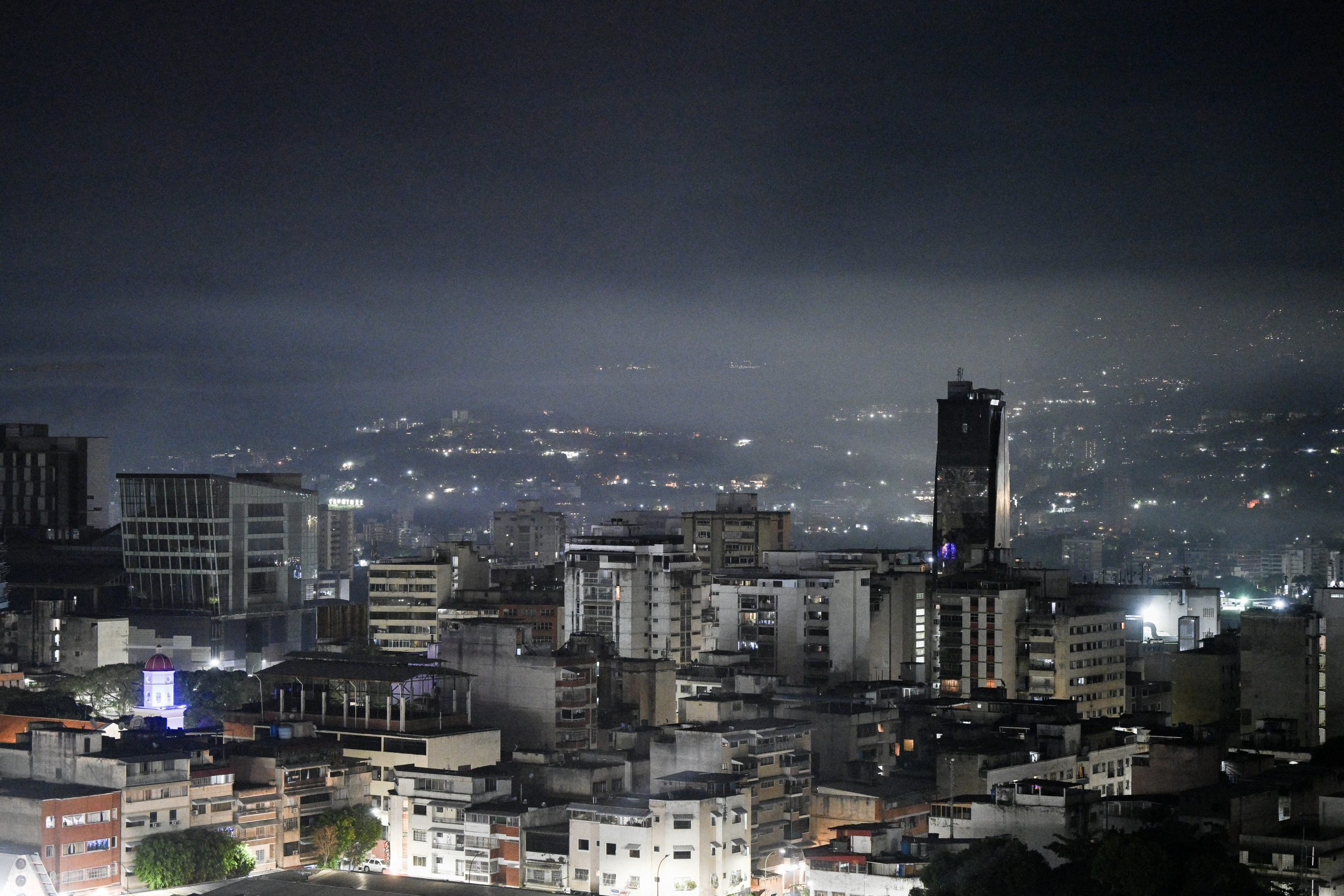
The Raid on Caracas
According to reports, U.S. forces launched targeted attacks in Caracas overnight, successfully apprehending Maduro and Flores. Trump announced the capture in an early morning social media post, stating that the couple would be transported to the United States to face criminal charges. The specific charges remain undisclosed, but this action represents a significant departure from traditional diplomatic practices. Details surrounding the operation are still emerging, including the number of targets struck and potential casualties. Trump has acknowledged the possibility of U.S. troop fatalities, adding a somber note to the otherwise assertive declaration.
A Shift in US Policy?
This military intervention signifies a major shift in U.S. policy toward Venezuela. For months, the Trump administration has pursued a strategy of economic sanctions and diplomatic pressure aimed at ousting Maduro from power. However, the decision to deploy military force signals a willingness to take far more aggressive action. The legality of such an intervention under international law is immediately questionable, and the long-term consequences for regional stability remain to be seen. The move is likely to draw condemnation from some international allies and further strain relations with countries like China and Russia, who have supported Maduro’s regime.
Uncertain Future for Venezuela
With Maduro in U.S. custody, the future of Venezuela is deeply uncertain. Trump has vaguely called for the U.S. to “run” Venezuela, a statement that raises concerns about potential U.S. occupation and the erosion of Venezuelan sovereignty. It remains unclear what plans, if any, the U.S. has for establishing a transitional government or facilitating free and fair elections. The power vacuum created by Maduro’s removal could lead to further instability and potentially civil conflict. The international community now faces the challenge of navigating this complex situation and working towards a peaceful and democratic resolution for Venezuela.
In conclusion, President Trump’s decision to authorize military action in Venezuela represents a high-stakes gamble with potentially far-reaching consequences. While the administration may argue that this intervention is necessary to restore democracy and stability, the move risks further destabilizing the region and undermining international norms. The world now waits to see how this unfolding crisis will shape the future of U.S. foreign policy and the fate of Venezuela.
Based on materials: Vox



