
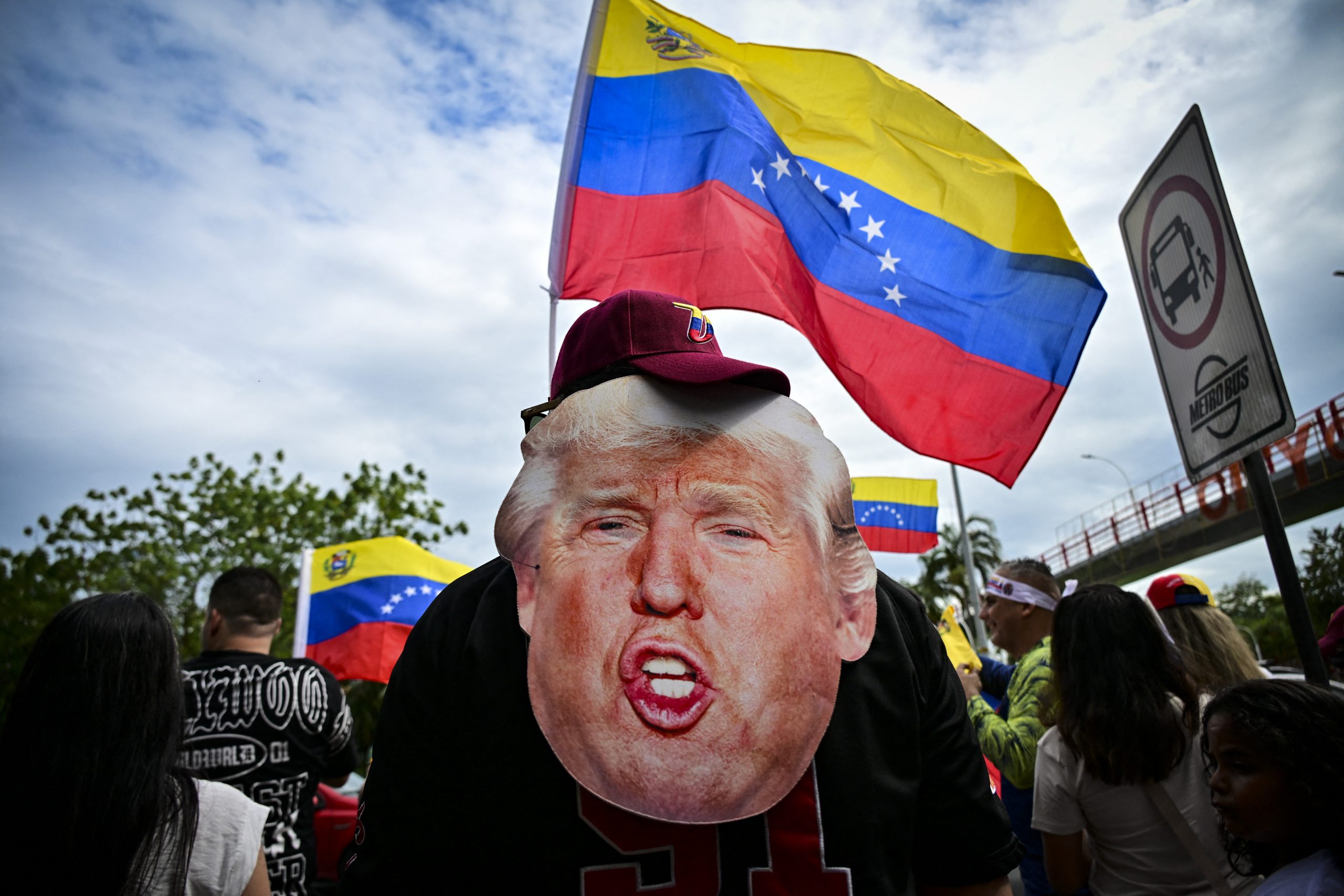
Donald Trump’s foreign policy has always been a subject of intense debate, often painted with broad strokes of isolationism and a reluctance to engage in foreign entanglements. However, recent events challenge that narrative, casting a shadow of interventionism over his presidency. The capture of Venezuelan leader Nicolas Maduro by U.S. forces, following a bombing campaign in Caracas and other cities, represents a dramatic escalation of tensions and a stark departure from the image of Trump as a peacemaker.
From Peace Pledge to Military Action: A Shift in Stance
The irony is thick. In 2023, then-Senator JD Vance explicitly endorsed Trump’s presidential bid based on the perception that he would avoid reckless military interventions. Vance’s statement, highlighting Trump’s supposed commitment to peace, now rings hollow in the face of the recent incursion. The current situation leaves Vice President Vance in a precarious position, tasked with justifying what many perceive as an act of aggression. This raises serious questions about the consistency of Trump’s foreign policy and whether his initial promises were genuine or merely political maneuvering.
Echoes of the Past: Interventionism and its Consequences
The U.S.’s history in Latin America is fraught with examples of interventionism, often with destabilizing consequences. The capture of Maduro evokes memories of past regime change operations, raising concerns about the potential for long-term instability in Venezuela and the broader region. While the stated justification for the operation remains unclear, the use of military force in this manner risks further alienating Latin American nations and undermining U.S. credibility on the world stage. Critics argue that such actions fuel anti-American sentiment and create a breeding ground for extremism.
The Domestic Fallout: Political Ramifications
The capture of Maduro is not only a foreign policy issue, but it also has significant domestic political ramifications. While some may applaud Trump’s decisive action, others are likely to condemn it as an overreach of executive power and a violation of international law. The event is certain to galvanize opposition within the U.S., leading to increased scrutiny of Trump’s administration and potentially impacting future elections. The long-term political consequences of this intervention remain to be seen, but it is clear that it has already deepened existing divisions within American society.
In conclusion, the capture of Nicolas Maduro marks a significant turning point in Donald Trump’s presidency. It challenges the narrative of Trump as a non-interventionist and raises troubling questions about the future of U.S. foreign policy. The echoes of past interventions, the potential for regional instability, and the domestic political fallout all contribute to a complex and uncertain situation. Whether this action will be seen as a necessary step towards stability or a reckless act of aggression will ultimately depend on the unfolding consequences in Venezuela and beyond.
Based on materials: Vox



