
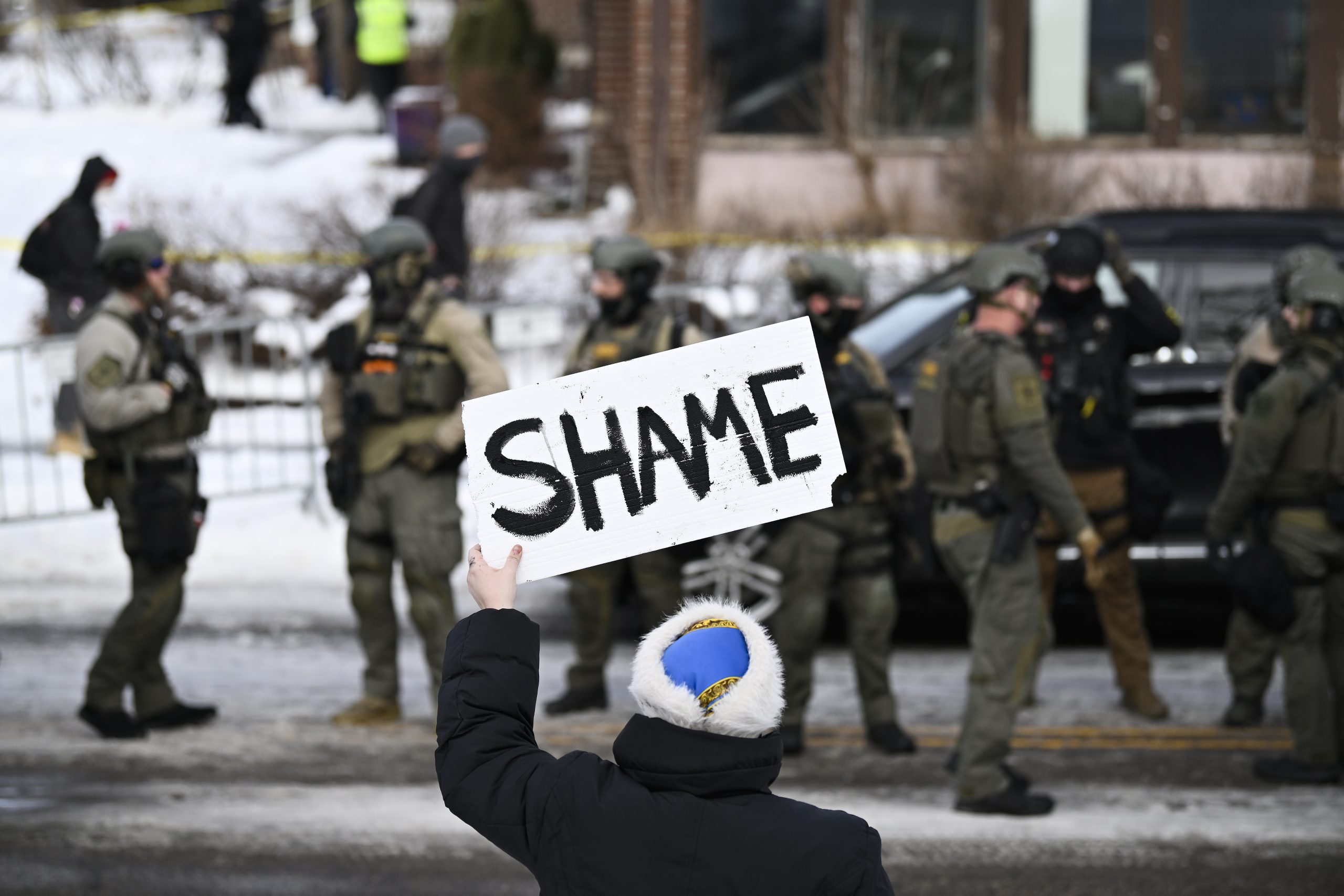
ICE Shooting in Minneapolis Sparks Legal, Political Firestorm
The fatal shooting of a woman in Minneapolis by a federal immigration officer has ignited a fierce debate over jurisdiction, accountability, and the use of force by federal agents. The incident, which occurred shortly after the deployment of federal immigration agents to the city, is raising serious questions about the limits of federal authority and the potential for state prosecution.
Conflicting Accounts and a Divided Nation
Details surrounding the shooting remain murky, but video footage appears to show an officer firing on the woman as she drove away. While President Trump has already weighed in, claiming the officer acted in self-defense via a post on TruthSocial, local officials are expressing outrage and demanding a thorough investigation. This incident underscores the deep divisions within the United States regarding immigration enforcement and the role of federal agencies. The question of whether the officer will face federal charges is further complicated by Trump’s stance, suggesting that any potential prosecution may hinge on the outcome of future presidential elections.
Can Minnesota Prosecute? The Legal Landscape
The core legal question is whether the state of Minnesota can prosecute a federal officer for actions taken while on duty. Generally, federal law shields federal officers from state prosecution for actions taken within the scope of their employment, a doctrine known as federal preemption. However, this protection is not absolute. If the officer’s actions are deemed to be outside the scope of their authority or violate federal law, the state may have grounds to pursue charges. This determination often involves a complex legal analysis of the officer’s training, agency policies, and the specific circumstances of the shooting. The legal battle will likely center on whether the officer’s use of deadly force was justified under the circumstances.
Political Fallout and the Future of Federal-State Relations
Beyond the legal ramifications, the shooting has significant political implications. It further strains the already tense relationship between the federal government and local jurisdictions, particularly those with more progressive stances on immigration. The incident is likely to fuel calls for greater oversight of federal law enforcement activities and increased accountability for federal agents. This case could set a precedent for future conflicts between federal and state authorities, especially in areas where their policies diverge sharply. The events unfolding in Minneapolis serve as a stark reminder of the complex legal and political challenges inherent in a federal system where power is divided between national and local governments.
CONCLUSION:
The shooting in Minneapolis is more than just a tragic incident; it’s a flashpoint in the ongoing debate about federal power, state sovereignty, and the use of force. As investigations unfold and legal battles potentially ensue, the nation will be watching closely to see how this case shapes the future of federal-state relations and the accountability of law enforcement officers.
Based on materials: Vox



