
Oz’s Alcohol Claim Debunked: Experts Disagree with “No Data” Stance
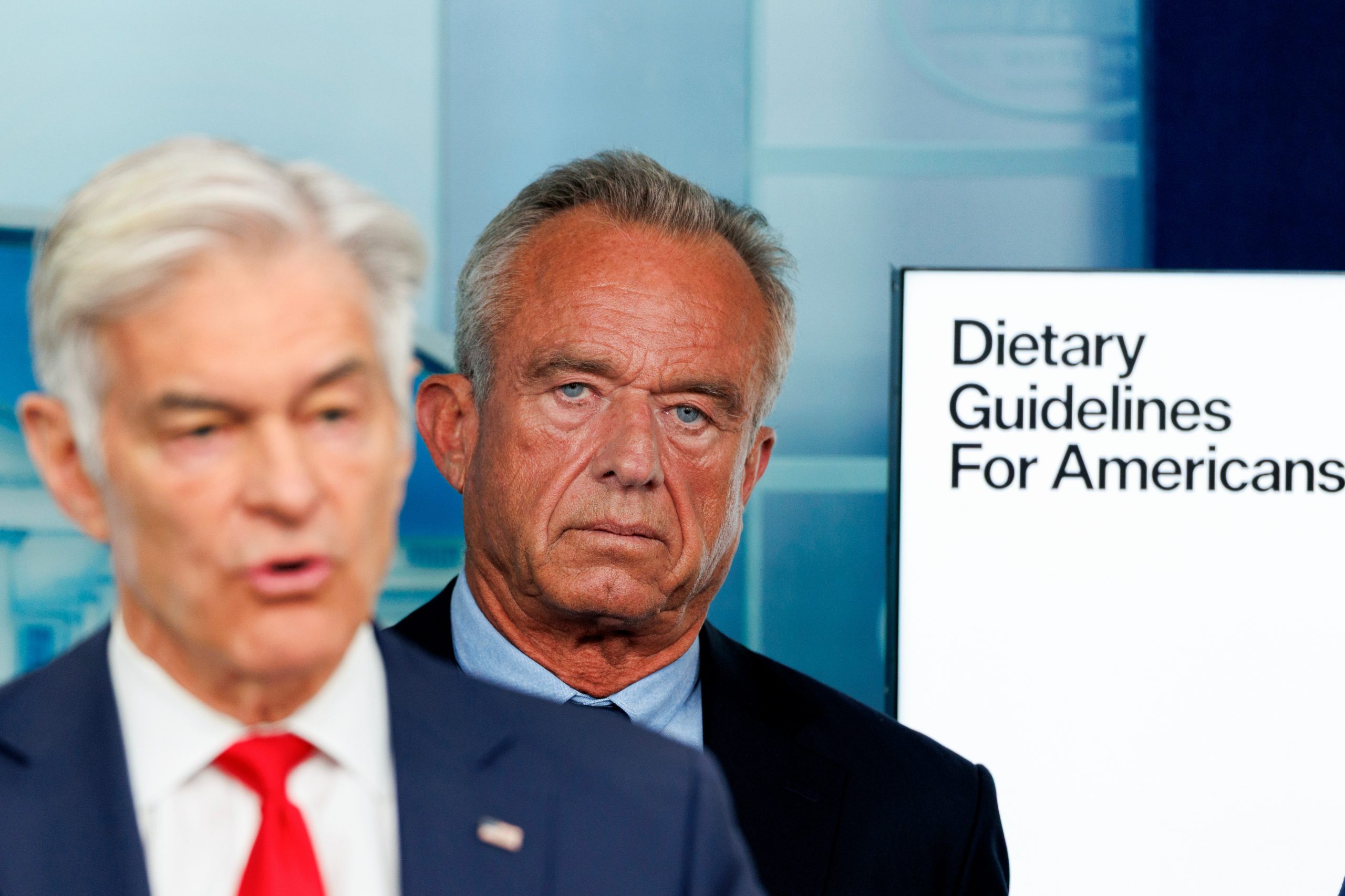
Dr. Mehmet Oz, alongside Health Secretary Robert F. Kennedy, recently participated in a White House briefing where the Trump administration unveiled its revised nutrition guidelines. Amidst the revived food pyramid and general advice on alcohol consumption, Dr. Oz made a statement that has sparked considerable controversy: he claimed there is “no data” to support reducing alcohol consumption. This assertion flies in the face of established scientific consensus and has drawn criticism from health professionals and researchers alike.
New Guidelines, Vague Advice
The updated federal dietary guidelines themselves have already raised eyebrows. The Trump administration chose to eliminate the previous specific recommended limits on alcohol consumption – formerly two drinks or less per day for men and one drink for women. The new guidelines simply advise people to “consume less alcohol for better health,” a significantly more vague directive. While the guidelines maintain the previous stance discouraging alcohol consumption for pregnant women and individuals with a history of alcohol abuse, the overall shift towards ambiguity has left many questioning the administration’s approach to public health messaging.
Challenging the Narrative: The Scientific Consensus
Dr. Oz’s claim that there’s no data supporting the benefits of reducing alcohol intake is demonstrably false. A wealth of scientific research contradicts this statement. Studies have consistently shown a link between excessive alcohol consumption and a range of health problems, including liver disease, heart disease, certain cancers, and mental health issues. Conversely, reducing alcohol intake has been associated with improved liver function, reduced risk of cardiovascular problems, and a lower likelihood of developing certain cancers. Public health organizations like the World Health Organization (WHO) and the Centers for Disease Control and Prevention (CDC) actively promote moderate alcohol consumption or abstinence based on this robust body of evidence.
Context and Implications
The timing of these statements, coupled with the revised guidelines, raises concerns about the potential impact on public health. By removing specific recommendations and downplaying the risks associated with alcohol consumption, the administration risks normalizing excessive drinking and undermining efforts to promote responsible alcohol use. It’s crucial for individuals to seek accurate information from reliable sources, such as healthcare professionals and reputable health organizations, rather than relying on misleading statements that contradict established scientific evidence. The debate underscores the importance of critically evaluating health advice, particularly when it comes from public figures with potentially conflicting interests.
In conclusion, Dr. Oz’s claim regarding the lack of data supporting reduced alcohol consumption is inaccurate and potentially harmful. The scientific consensus overwhelmingly supports the benefits of moderate alcohol consumption or abstinence, and individuals should be wary of health advice that contradicts this well-established evidence base. The revised dietary guidelines, with their vague recommendations, further complicate the issue, emphasizing the need for informed decision-making and reliance on trusted sources of health information.
Based on materials: Vox



