
LA Wildfire Aftermath: Why Rebuilding is a Slow Burn
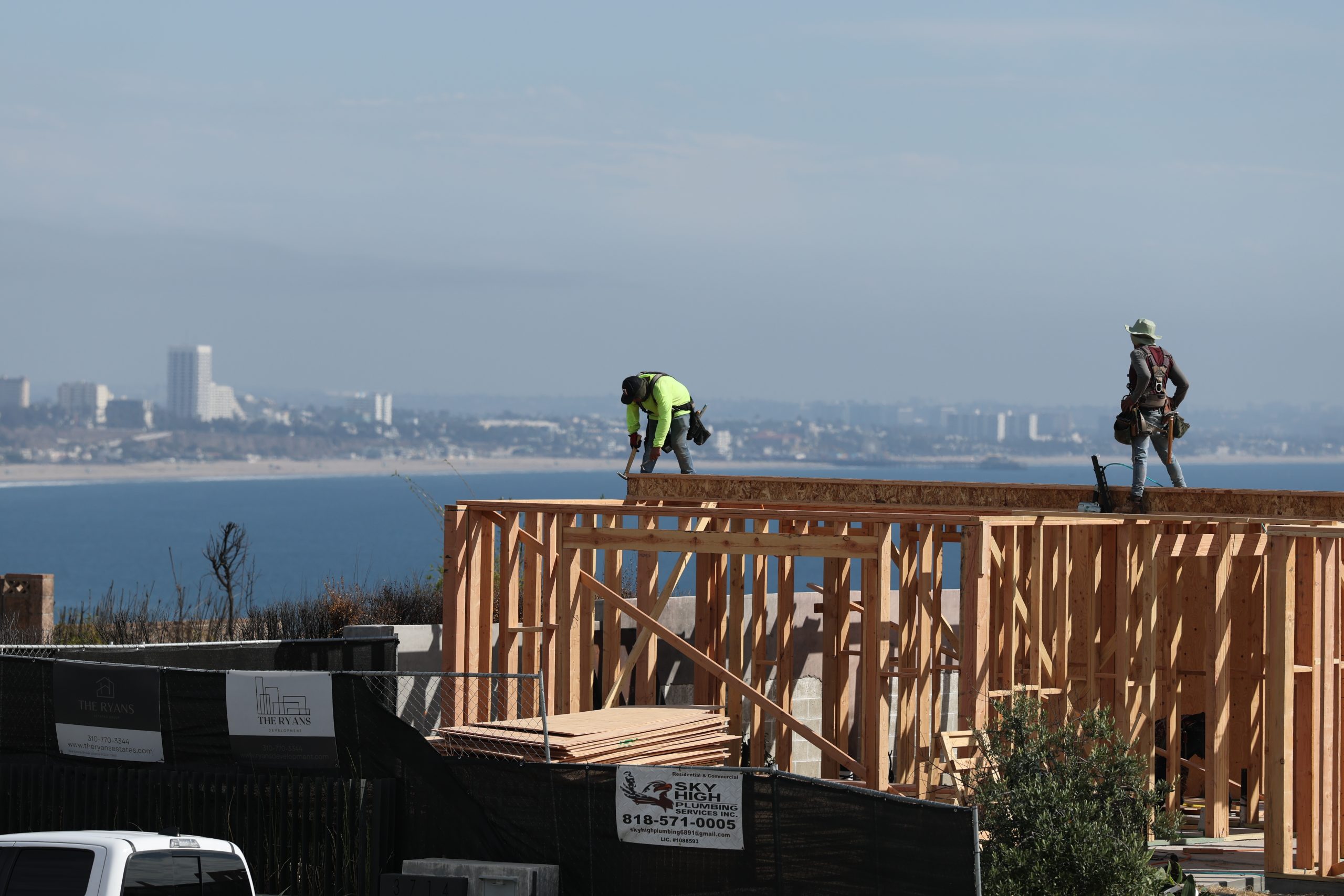
A year after devastating wildfires ripped through Los Angeles County, destroying an estimated 13,000 homes, the rebuilding effort has been agonizingly slow. According to an Associated Press report, fewer than a dozen homes have been reconstructed, a stark reality highlighting the complex challenges facing residents and the region. The January 2025 fires, fueled by powerful Santa Ana winds, claimed at least 31 lives, impacted countless others, and incinerated over 16,000 structures, potentially racking up an economic cost of $275 billion, a figure that could make it the most expensive disaster in U.S. history. But why the snail’s pace in recovery?
The Housing Crisis and Regulatory Hurdles
The fires exacerbated an already dire housing crisis in Los Angeles. As Tomiquia Moss pointed out, the rental market was tight even before the disaster, forcing thousands from their homes and compounding the problem. The lack of available housing creates an immediate obstacle for displaced residents seeking temporary or permanent relocation. But the issues extend far beyond immediate housing needs.
Rebuilding in fire-prone areas involves navigating a labyrinth of bureaucratic red tape, stricter building codes designed to mitigate future fire risks, and insurance claim settlements. Obtaining permits, complying with updated safety regulations, and securing adequate funding are all time-consuming processes. Many homeowners, particularly those underinsured or lacking resources, struggle to overcome these hurdles, leading to prolonged delays or complete abandonment of rebuilding plans.
Beyond the Bricks: Emotional and Economic Impacts
The lack of rebuilding isn’t just about physical structures; it reflects the profound emotional and economic toll on individuals and communities. Rebuilding represents a return to normalcy, a sense of security, and a connection to place. The absence of progress can prolong trauma, create uncertainty, and further destabilize already vulnerable populations.
The economic consequences are also significant. The fires decimated property values, impacted local businesses, and strained public resources. The slow pace of rebuilding hinders economic recovery, delays the return of tax revenue, and perpetuates a cycle of displacement and hardship.
A Call for Action and Innovative Solutions
The situation in Los Angeles serves as a stark warning about the challenges of disaster recovery in the face of climate change and housing shortages. Addressing this crisis requires a multi-faceted approach, including streamlining permitting processes, providing financial assistance to homeowners, investing in fire-resistant building materials and techniques, and developing innovative housing solutions. Collaboration between government agencies, insurance companies, community organizations, and residents is crucial to accelerate rebuilding efforts and create more resilient communities. Ultimately, the slow burn of rebuilding in Los Angeles demands immediate action to ensure that affected residents can rebuild their lives and homes, not just structures.
Based on materials: Vox



