
Iran’s Crossroads: Can the Regime Survive Mounting Pressures?
Iran’s Islamic Republic finds itself at a critical juncture, facing a confluence of internal and external pressures that threaten its very survival. From widespread protests met with brutal crackdowns to the looming specter of potential US intervention, the regime is navigating a precarious path with an uncertain future. Is a course correction possible, or is the nation headed toward inevitable upheaval?
A Nation in Turmoil: Protests and Repression
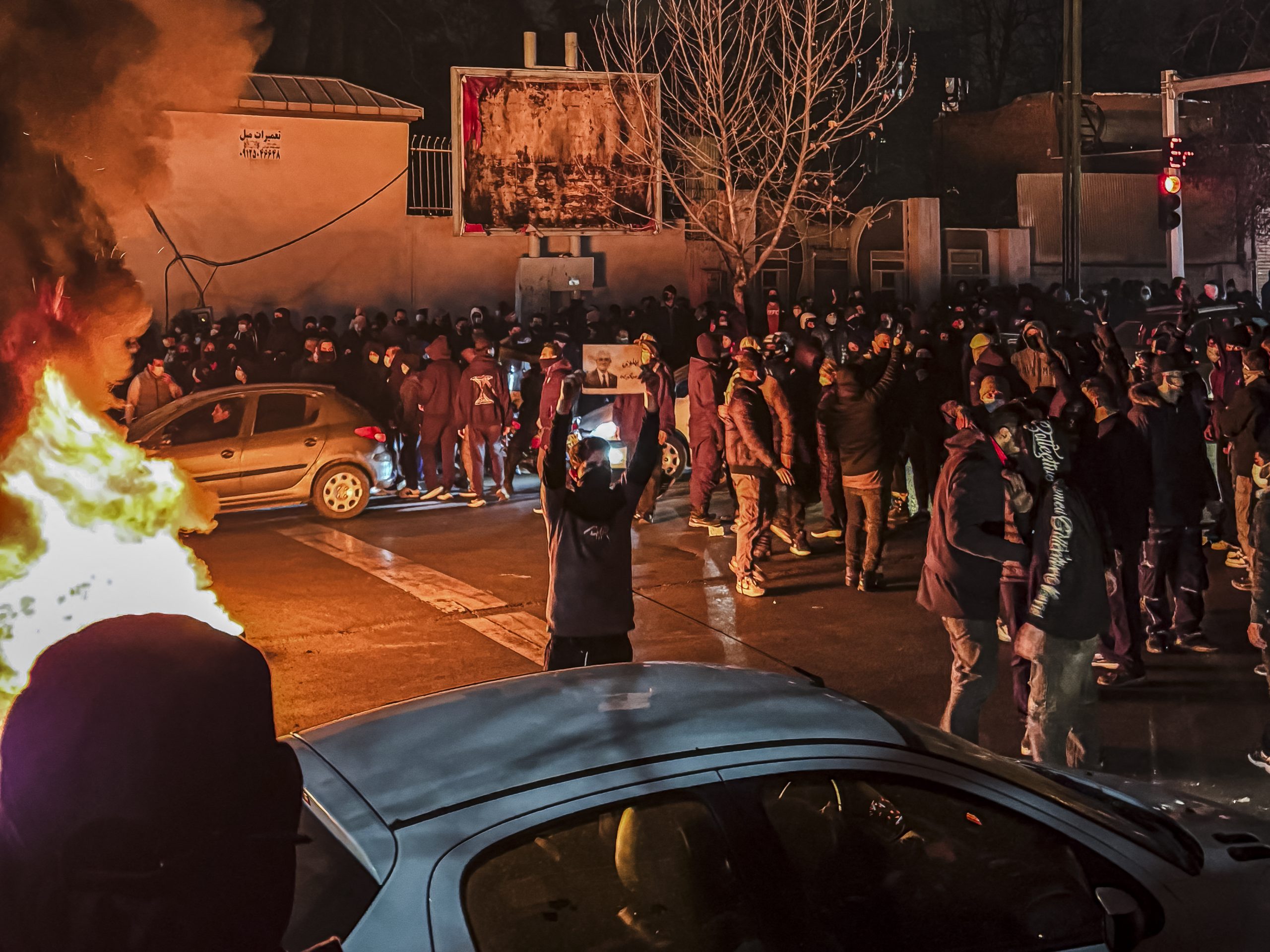
The recent surge in protests across Iran highlights the deep-seated discontent simmering beneath the surface. Fueled by economic hardship, social restrictions, and a yearning for greater freedom, these demonstrations represent a significant challenge to the ruling establishment. The government’s response has been heavy-handed, employing increasingly repressive measures to quell dissent. This strategy, while seemingly effective in the short term, risks further alienating the population and exacerbating the underlying tensions.
Economic Woes and the Shadow of Intervention
Beyond the immediate crisis of protests, Iran’s economic woes continue to mount, compounding the regime’s challenges. Years of sanctions, mismanagement, and internal corruption have crippled the economy, leaving many Iranians struggling to make ends meet. This economic vulnerability further fuels public anger and resentment. The potential for US intervention, whether through direct military action or intensified sanctions, adds another layer of complexity to the situation. While intervention might be seen as a means to hasten regime change, it also carries the risk of unintended consequences and further destabilizing the region.
The Path Forward: Reform or Revolution?
The Islamic Republic stands at a crossroads. One path leads to reform, requiring the regime to address the underlying grievances of the population, loosen social restrictions, and implement meaningful economic reforms. This would necessitate a fundamental shift in approach, moving away from repression and towards greater inclusivity and transparency. The other path points towards revolution, a potentially violent and disruptive scenario that could lead to widespread chaos and instability. The exiled son of the deposed Shah, Reza Pahlavi, has positioned himself as a potential leader in a post-regime Iran, highlighting the growing desire for change among some segments of the population.
In conclusion, Iran’s future remains deeply uncertain. The regime’s ability to navigate the current crisis will depend on its willingness to embrace reform and address the root causes of discontent. Failure to do so could lead to a painful, slow decline, or a more abrupt and potentially violent overthrow. The coming months will be crucial in determining the fate of the Islamic Republic and the future of Iran.
Based on materials: Vox



