
China’s Soft Power Surge: How Culture Fuels Economic Might
China’s global influence is no longer solely defined by its economic prowess or military might. In recent years, the nation has strategically cultivated its “soft power,” leveraging cultural exports to expand its global reach and subtly shift the balance of power, even influencing economic relations with countries like the United States.
From Tariffs to Triumphs: Shifting the Narrative
Contrary to expectations, the United States’ attempts to exert economic pressure on China through tariffs and export restrictions appear to have had limited long-term impact. While the initial measures may have caused ripples, China has adapted, innovated, and ultimately emerged stronger, not just economically but also culturally. This resilience highlights a key aspect of China’s strategy: a long-term vision that prioritizes cultural influence alongside economic growth.
Labubu, Movies, and the Rise of Cultural Exports
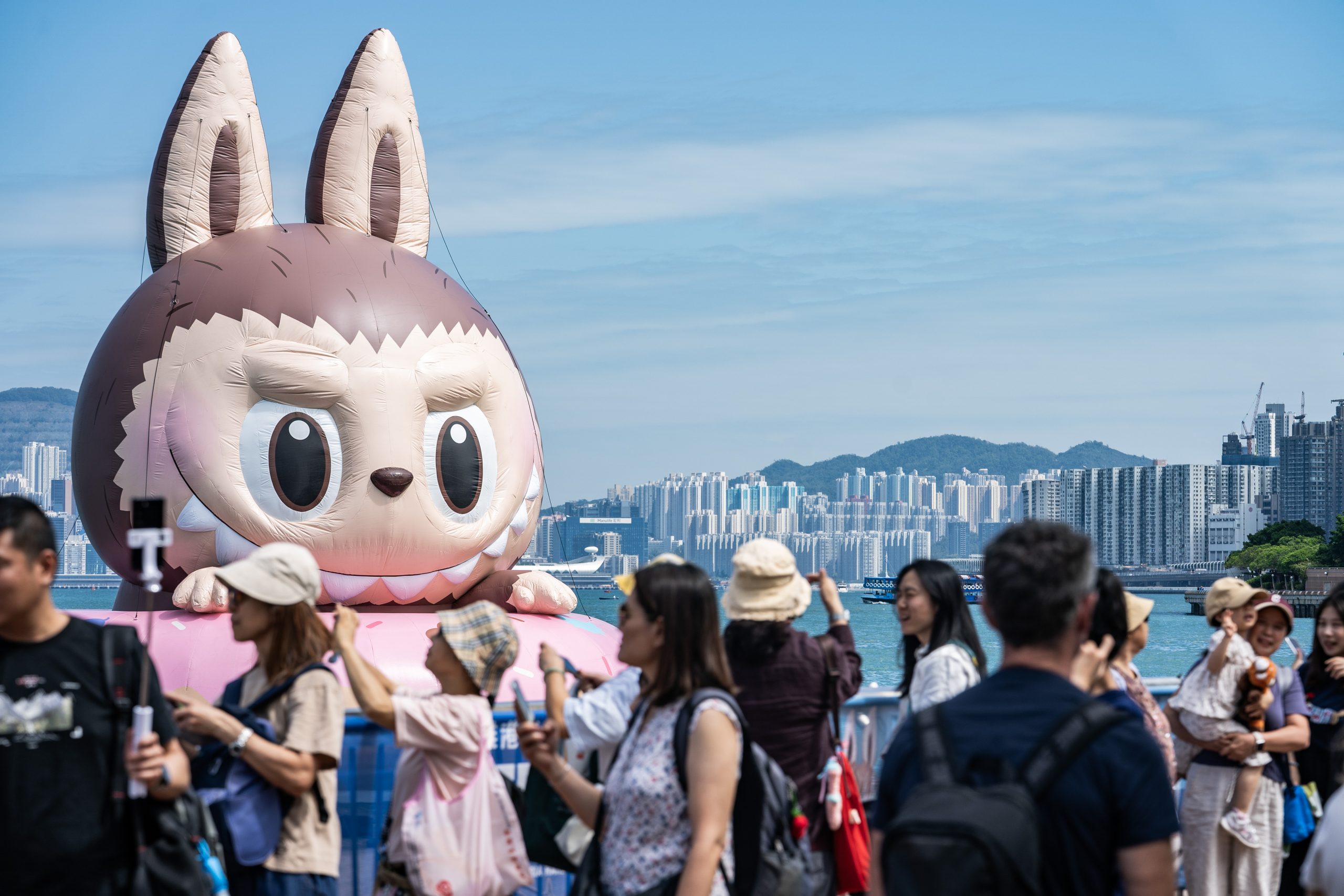
The success of Chinese cultural products like the blockbuster movie “Ne Zha 2” and the highly anticipated video game “Black Myth: Wukong” marks a turning point. The appearance of a giant inflatable Labubu character in Hong Kong’s Victoria Harbour is more than just a pop culture phenomenon; it’s a symbol of China’s growing cultural confidence and its ability to capture global attention. These cultural exports are not simply entertainment; they are powerful tools for shaping perceptions, fostering goodwill, and building bridges with international audiences. Why are these cultural exports just now breaking through on the global stage? The answer lies in a combination of increased investment in creative industries, a more sophisticated understanding of global markets, and a conscious effort to promote Chinese culture abroad.
Soft Power’s Hard Impact
The rise of China’s soft power has significant implications for its economic and political relationships with other nations. By promoting its culture, China can enhance its international image, attract tourism and investment, and build stronger diplomatic ties. This, in turn, creates a more favorable environment for Chinese businesses and strengthens the country’s overall global standing. The United States, once focused on hard power tactics, now faces a competitor adept at wielding cultural influence as a key component of its strategic arsenal. The challenge for the US will be adapting to this new landscape and finding effective ways to compete in the realm of soft power.
Conclusion: A New Era of Global Influence
China’s successful cultivation of soft power demonstrates a nuanced and sophisticated approach to global influence. By investing in its cultural industries and strategically promoting its unique identity, China has not only enhanced its international image but has also created new avenues for economic growth and political engagement. The future of global power dynamics will likely be shaped by this interplay of hard and soft power, with China leading the way in demonstrating the effectiveness of cultural influence on the world stage.
Based on materials: Vox



