
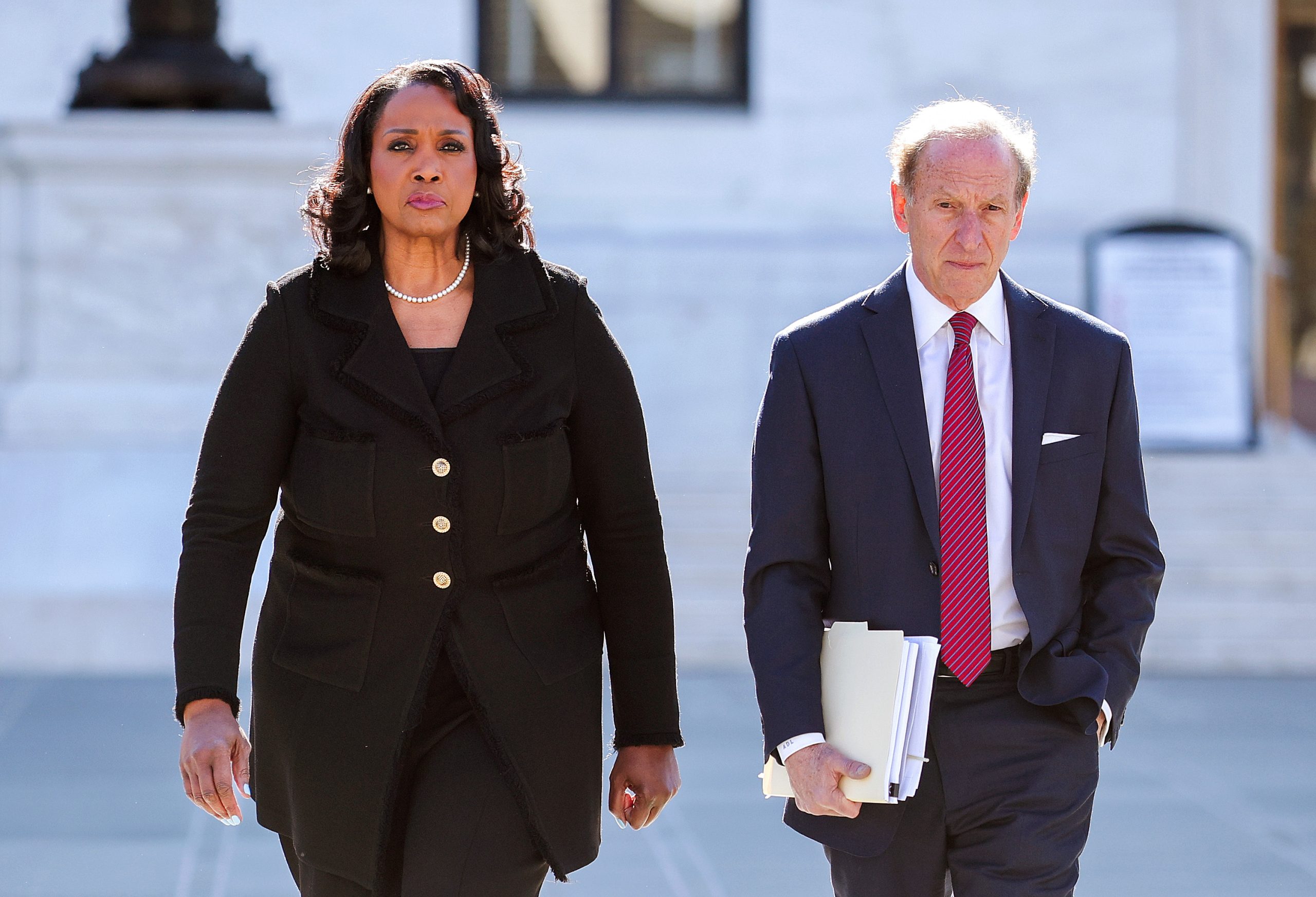
Supreme Court Leans Against Trump in Fed Independence Case
The Supreme Court appears poised to deliver a rare setback to former President Donald Trump, signaling skepticism toward his claim that he should have had the power to fire the leaders of the Federal Reserve. While the court’s conservative majority has generally favored expansive executive power, justices from both sides of the aisle seemed to agree that the Fed’s unique structure warrants protection from presidential interference during oral arguments in
Trump v. Cook
.
Echoes of
Trump v. Wilcox
Set the Stage
The case hinges on the interpretation of a previous Supreme Court decision,
Trump v. Wilcox
(2025), in which the court described the Federal Reserve as a “uniquely structured, quasi-private entity that follows in the distinct historical tradition of the First and Second Banks of the United States.” This cryptic statement, delivered in a different context, has become central to the current debate. Legal analysts suggest the court is hinting at a belief that the Fed’s independence is crucial for maintaining economic stability.
Justices Question Presidential Overreach
During Wednesday’s oral arguments, a majority of the justices indicated they would likely uphold the principles outlined in
Wilcox
. This suggests a reluctance to grant the president unfettered control over the Federal Reserve, an agency designed to operate with a degree of autonomy from political pressures. Several justices raised concerns that allowing the president to freely remove Fed leaders could jeopardize the central bank’s ability to make independent decisions about monetary policy.
Implications for the Fed and Future Administrations
A ruling against Trump would reinforce the Federal Reserve’s independence, a cornerstone of the American financial system. This decision could have far-reaching implications, potentially limiting the power of future presidents to exert undue influence over monetary policy. The case underscores the ongoing tension between executive authority and the need for independent regulatory bodies.
The Supreme Court’s expected decision will likely shape the relationship between the executive branch and the Federal Reserve for years to come, reaffirming the importance of insulating monetary policy from political interference.
Based on materials: Vox



