
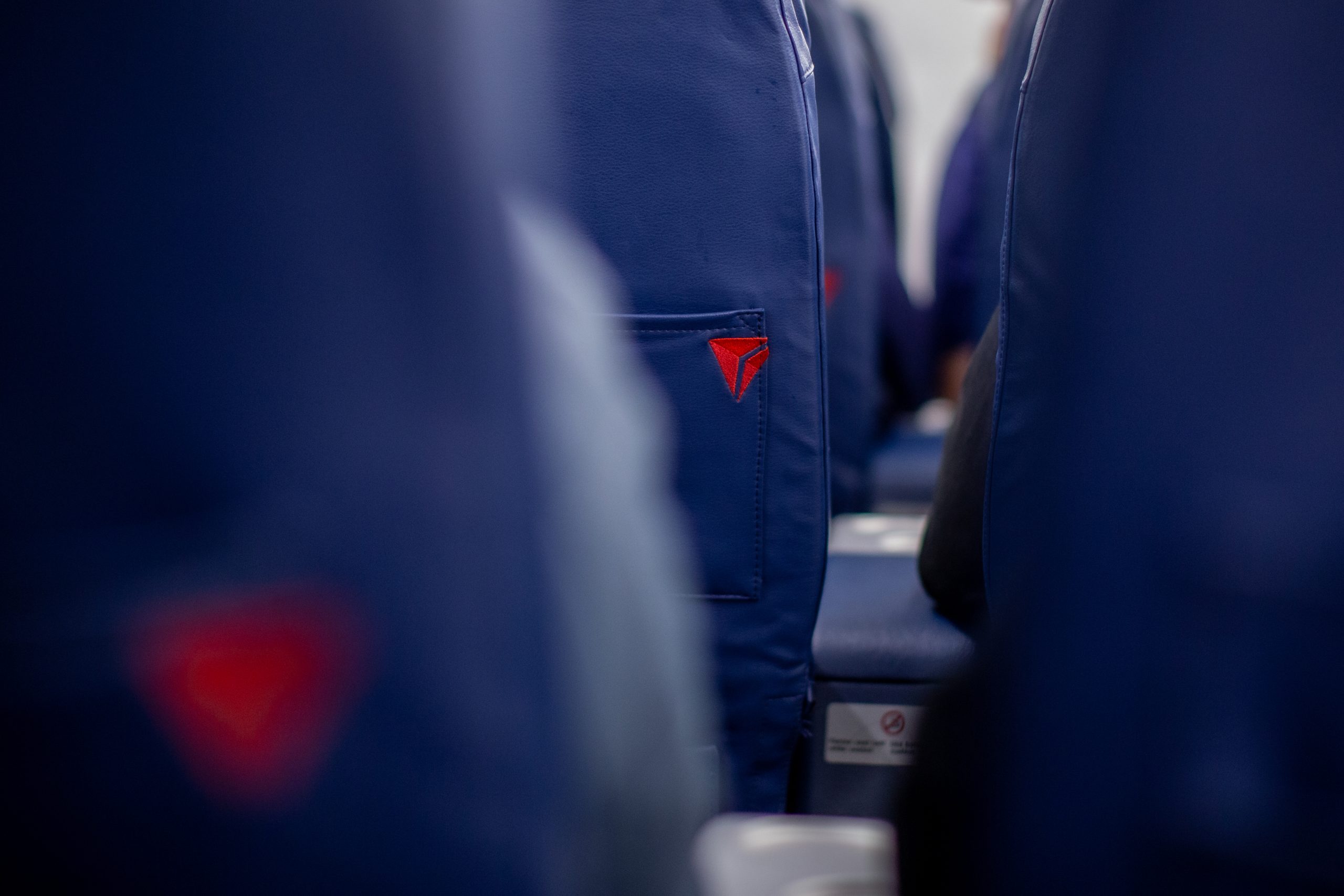
Airlines are raking in billions by convincing us to pay extra for perks that often feel less than premium. Delta Air Lines, for example, recently announced a staggering $5 billion profit for 2025, attributing a significant portion of this success to the burgeoning demand for “premium products.” But are these so-called premium offerings – think preferred seating closer to the front or coveted aisle seats – truly delivering on their promise of an enhanced travel experience, or are they simply clever marketing ploys designed to exploit our desire for comfort and convenience?
The Illusion of Exclusivity
The allure of a premium seat lies in the promise of a slightly more comfortable journey. Perhaps a bit more legroom, quicker boarding, or the satisfaction of knowing you’re ahead of the scrum in the boarding process. Airlines cleverly tap into our inherent desire for a better experience, creating the illusion of exclusivity and heightened comfort. However, the reality often falls short. Passengers shelling out extra for these “premium” perks frequently find themselves crammed into seats that are only marginally better than those in the main cabin. The promise of extra legroom might translate into a mere inch or two, hardly justifying the inflated price tag.
The Psychology of Premium Pricing
The success of this premium pricing strategy hinges on psychology. Airlines understand that many travelers are willing to pay a premium for perceived benefits, even if those benefits are minimal. The fear of being stuck in a middle seat, the desire to deplane quickly, and the simple satisfaction of feeling like you’re getting a slightly better deal all contribute to the willingness to pay extra. This perceived value, however, is often subjective and varies greatly from person to person. What one traveler considers a worthwhile investment, another might deem a blatant rip-off.
Are Airlines Overpromising and Underdelivering?
The question remains: are airlines delivering on the promise of a truly premium experience? As Delta’s financial results demonstrate, demand for these products is increasing, with revenue growing by 7% compared to the previous year. However, the growing discontent among passengers suggests that the value proposition may be out of sync with reality. If airlines are to continue charging extra for these perks, they must ensure that the benefits genuinely justify the cost. Otherwise, they risk alienating customers who feel they are being taken advantage of.
Ultimately, the decision to pay for a premium airline seat is a personal one. However, it’s crucial to approach these offers with a healthy dose of skepticism and carefully consider whether the perceived benefits align with the actual cost. Before clicking that “upgrade” button, ask yourself: am I truly getting a better experience, or am I simply falling prey to clever marketing?
Based on materials: Vox



