
Faith on the Front Lines: Religious Leaders Challenge ICE Policies
Across the nation, a diverse coalition of religious leaders is increasingly stepping into the political arena, challenging the policies and practices of Immigration and Customs Enforcement (ICE). From the front lines of protests to behind-the-scenes community organizing, these figures are leveraging their moral authority and mobilizing their congregations in response to what they see as inhumane treatment of immigrants. This growing involvement signifies a potential shift in the religious landscape, forcing a reckoning on issues of faith, justice, and government accountability.
A Rising Tide of Religious Activism
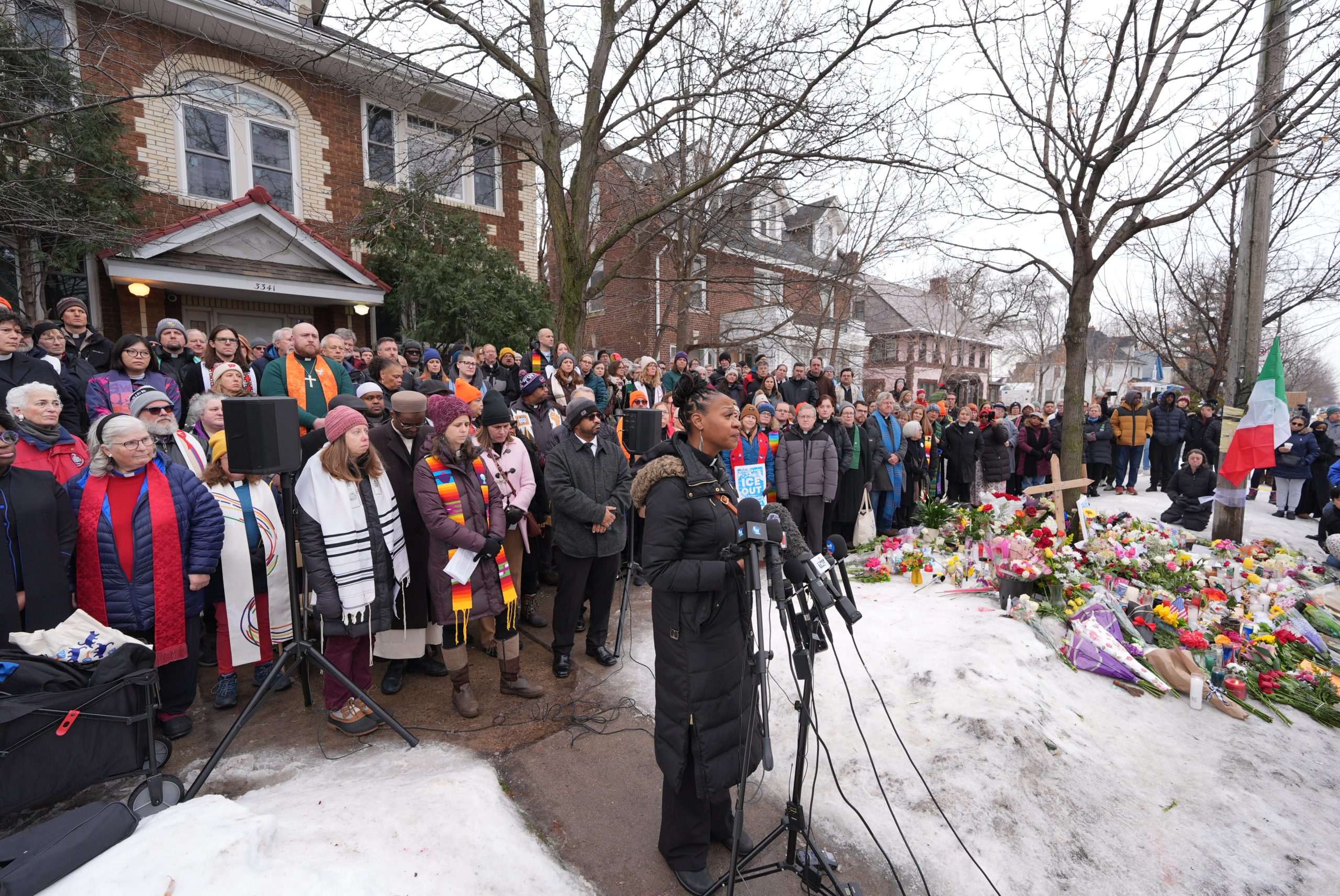
The presence of pastors, priests, rabbis, and imams at anti-ICE demonstrations has become a recurring visual. In Chicago, religious leaders faced pepper spray and pepper balls while protesting. More recently, in Minneapolis, they joined protesters demanding restraint from federal agents and advocating for the humane treatment of immigrants. This visible activism represents more than just symbolic gestures; it reflects a deeper engagement in organizing and advocacy within their communities.
Minister JaNaé Imari, for example, addressed a crowd at a press conference held by community faith leaders in Minneapolis, highlighting the growing call for moral clarity and a challenge to governmental policies. This surge in religious activism underscores the widening gap between governmental actions and the moral compass of many faith communities.
Divided Faith: A Complex Landscape
While many religious leaders are actively protesting ICE policies, the response within faith communities is not monolithic. A recent anti-ICE protest in St. Paul that interrupted a service at a Southern Baptist church, allegedly tied to U.S. border patrol, exposed the divisions within religious groups. This event highlights the complex and often conflicting perspectives on immigration within different denominations and congregations. It is clear that the issue of immigration is not only a political one, but also a deeply personal and spiritual one, leading to diverse reactions and responses within the religious community.
A Call for Moral Reckoning
The increasing involvement of religious leaders in the fight against ICE policies represents a call for a moral reckoning within the nation. These leaders, leveraging their influence and moral authority, are challenging the government to adhere to what they believe are fundamental principles of compassion, justice, and human dignity. Whether they succeed in shifting policy remains to be seen, but their actions are undoubtedly sparking critical conversations and forcing a re-examination of values at both the individual and societal levels. Their presence on the front lines serves as a powerful reminder that faith and justice are often intertwined, and that religious institutions can play a significant role in shaping the moral and political landscape of a nation.
Based on materials: Vox



