
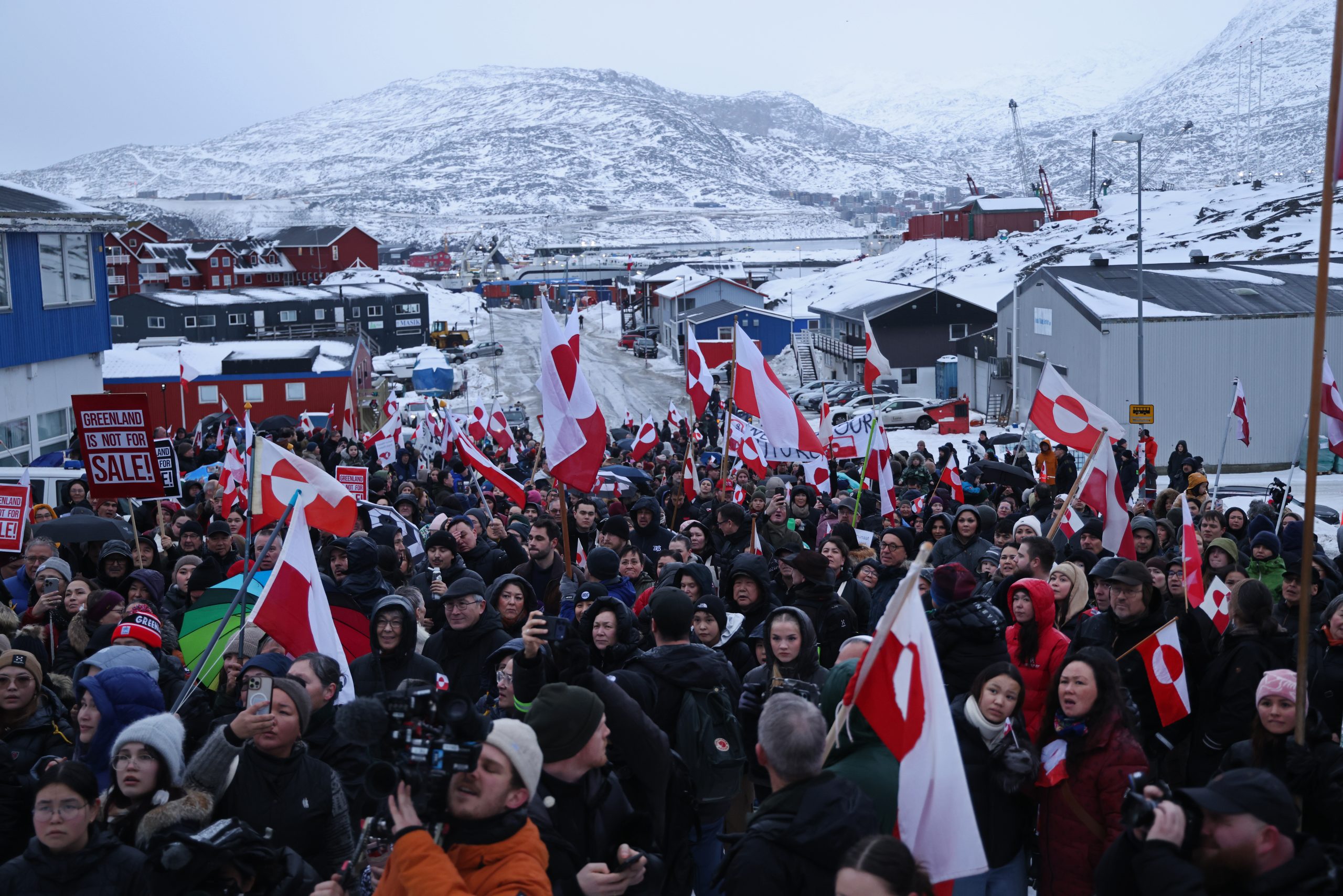
Europe’s Arctic Chess Move: Outmaneuvering Trump on Greenland
Remember when the idea of the U.S. buying Greenland dominated headlines? It seems like a distant memory, doesn’t it? But the story behind defusing that potential geopolitical crisis offers valuable insights into the power of strategic diplomacy. The episode, largely fueled by then-President Trump’s pronouncements, threatened to destabilize relations between the U.S., Europe, and the Arctic nation itself. But what exactly happened, and how did Europe manage to navigate this unusual situation?
The Trumpian Ambitions and European Pushback
The saga began with Trump openly suggesting the U.S. acquire Greenland, an autonomous territory within the Kingdom of Denmark. This proposition was met with firm rejection from both Greenland and Denmark, who asserted Greenland was not for sale. Trump’s persistence, including veiled threats of economic repercussions and suggestions of NATO dissolution, heightened tensions. The idea, while initially dismissed as outlandish, carried the potential to disrupt the established order in the Arctic, a region of increasing strategic importance.
European leaders, particularly those invested in Arctic stability and cooperation, recognized the need for a unified front. They skillfully employed diplomatic channels, emphasizing Greenland’s integral connection to Denmark and its historical ties to Europe. They also highlighted the potential destabilizing effects of a U.S. takeover on the delicate balance of power in the Arctic.
A Framework for De-escalation: The Art of the (Non) Deal
The turning point came at the World Economic Forum in Davos. There, Trump announced a “framework of a deal” with NATO Secretary General Mark Rutte regarding Greenland’s future – a deal that, crucially, excluded any U.S. ownership. While presented as a win, it was widely interpreted as a step back from Trump’s initial aggressive stance.
So, what was the strategy? By emphasizing existing partnerships, respecting Greenland’s autonomy, and subtly showcasing the potential geopolitical fallout of unilateral action, European diplomats effectively sidelined Trump’s acquisition ambitions. It was a victory achieved not through confrontation, but through careful maneuvering and a united diplomatic stance.
Lessons in Diplomacy
The Greenland episode highlights the importance of strategic diplomacy in navigating unpredictable geopolitical situations. By prioritizing collaboration, emphasizing shared interests, and maintaining a firm commitment to international norms, Europe successfully deflected a potential crisis and reaffirmed the principles of cooperation in the Arctic. The incident serves as a reminder that even the most unconventional challenges can be addressed through thoughtful, coordinated diplomatic efforts.
Based on materials: Vox



