
Snow Day SOS: Are Remote Learning Policies Stealing Childhood Joy?
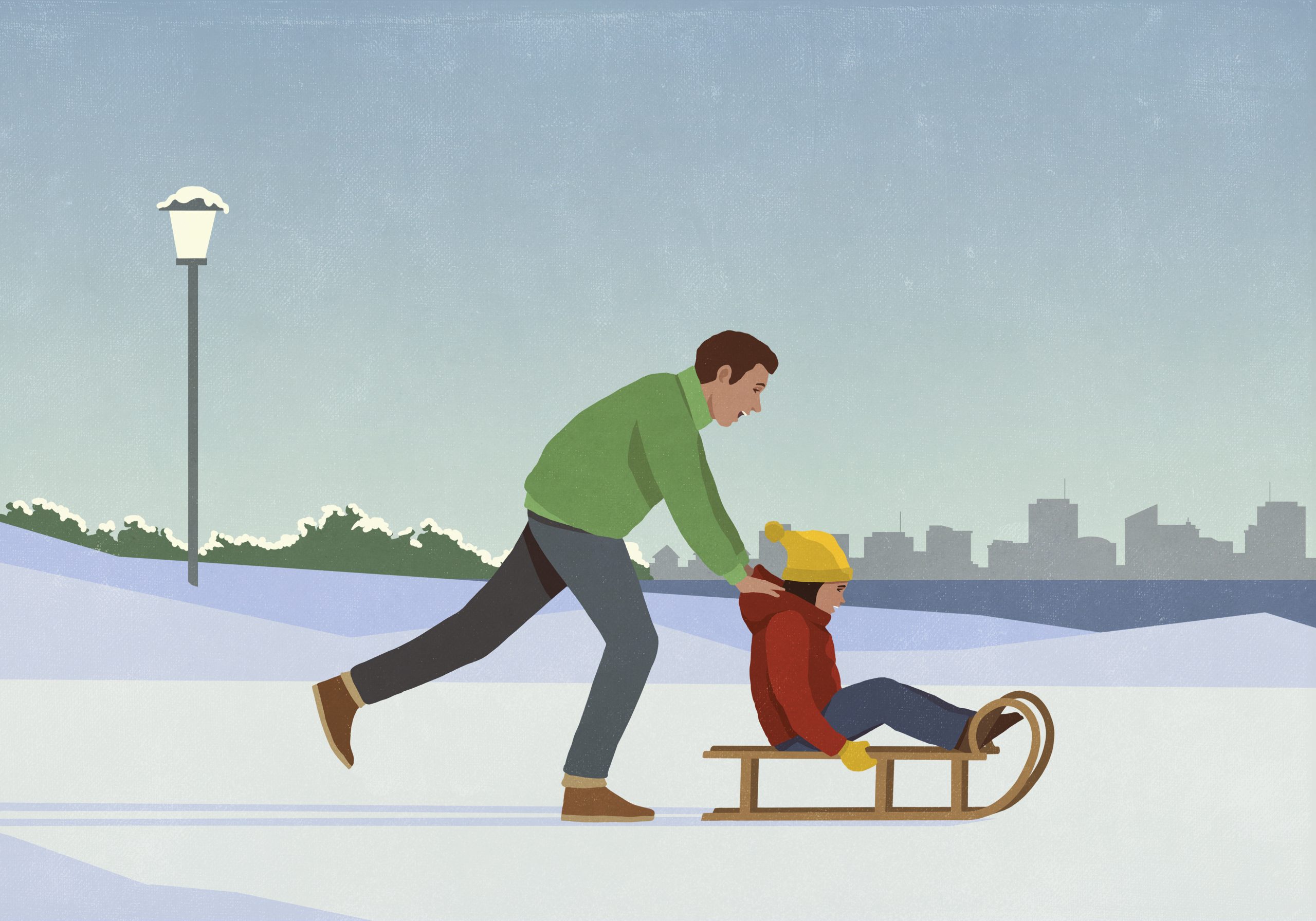
Remember the thrill of waking up to a world blanketed in white, the official decree of a snow day blasting from the television screen? The spontaneous snowball fights, the cozy hours spent indoors with hot cocoa, the collective sigh of relief from both students and teachers alike? As winter storms intensify across the nation, a critical question is emerging: are remote learning policies unintentionally eroding the magic and vital benefits of the classic snow day?
The Vanishing Snow Day: A Sign of the Times?
Once a cherished tradition, the snow day is becoming an increasingly rare phenomenon. The rise of remote learning, accelerated by the pandemic, has equipped schools with the infrastructure to seamlessly transition to online instruction during inclement weather. While this ensures continuity of education, it simultaneously deprives students of a crucial respite from the structured demands of the school day. What was once a free day for students to play, relax, and explore has now become a day of online learning, virtual meetings, and digital homework.
More Than Just a Day Off: The Real Value of Unstructured Time
The value of a snow day extends far beyond mere recreation. These unplanned breaks offer children and teenagers invaluable opportunities for unstructured play, fostering creativity, problem-solving skills, and social interaction outside the confines of a classroom. Snow days encourage physical activity, promote mental well-being by reducing stress and burnout, and allow families to connect and create lasting memories. The absence of this unscheduled downtime may contribute to increased anxiety and decreased overall well-being in students.
Finding a Balance: Remote Learning and the Spirit of the Snow Day
While the convenience and efficiency of remote learning are undeniable, educators and policymakers must carefully consider the potential consequences of eliminating snow days altogether. Perhaps a more nuanced approach is needed, one that balances the need for continued learning with the equally important need for unstructured play and mental well-being. Schools could consider designated “remote learning snow days” with lighter workloads, incorporating more creative and hands-on activities, or even building in scheduled breaks for outdoor play.
The disappearance of the snow day represents more than just a change in school policy; it signifies a shift in our understanding of childhood and the importance of unstructured time. As we navigate the complexities of modern education, we must strive to preserve the simple joys and essential benefits that made the snow day a beloved tradition for generations.
Based on materials: Vox



