
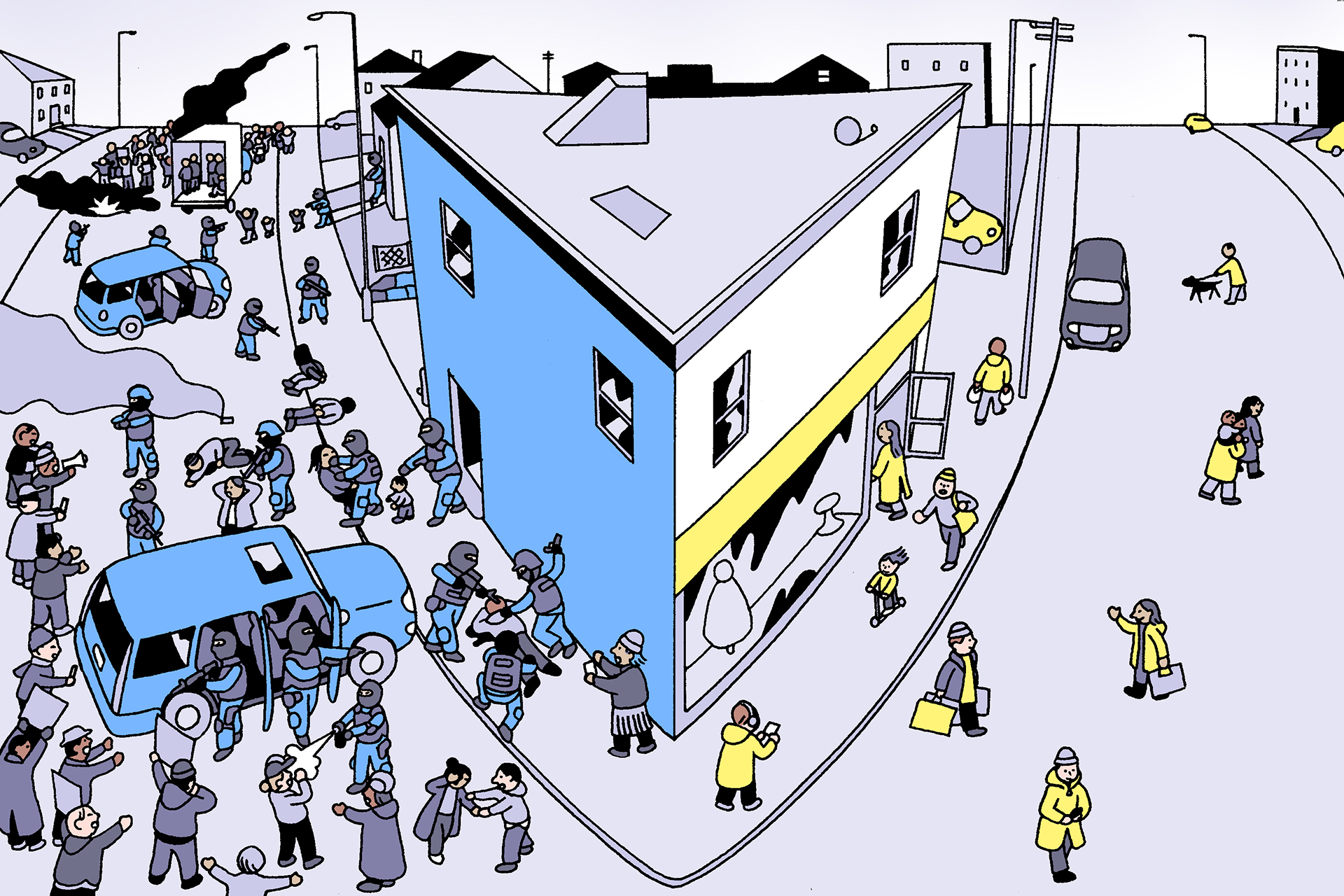
The political landscape feels increasingly fraught, leaving many grappling with anxiety and a sense of urgency. But what happens when those feelings aren’t shared by your inner circle? When friends and acquaintances continue with “business as usual” – dinner parties, social media frivolity – while the world seems to be teetering on the edge? This disconnect can be jarring, leaving you feeling isolated and unsure how to navigate the chasm between your heightened awareness and their apparent apathy.
Understanding the Disconnect: Why Aren’t They Alarmed?
It’s crucial to understand that a lack of outward political engagement doesn’t necessarily equate to indifference. Several factors could be at play. Some may feel personally unaffected by current events, believing they aren’t the “target” of specific policies or societal shifts. Others might be overwhelmed by the demands of family and work, feeling they lack the time or energy to engage in political activism. Still others may feel powerless, unsure how their individual actions can make a difference in the face of seemingly insurmountable challenges. Moreover, many people cope with anxiety by focusing on the immediate and controllable aspects of their lives, inadvertently creating an echo chamber of normalcy.
Bridging the Gap: Initiating Meaningful Conversations
Instead of resorting to judgment or condemnation, consider initiating open and honest conversations. Start by acknowledging their perspectives and validating their experiences. Avoid accusatory language and instead, focus on expressing your own concerns and motivations. Share specific information or personal anecdotes that highlight the impact of current events on you or those you care about. Frame the conversation in terms of shared values, such as fairness, equality, or community well-being. “I know you’re busy, but I’m really worried about [specific issue] and its impact on [shared concern]. Have you been following it?” This approach is more likely to foster understanding and empathy than direct confrontation.
Finding Your Own Path: Accepting Diverse Responses
Ultimately, you can’t force anyone to share your level of political engagement. Accept that people have different priorities, coping mechanisms, and levels of comfort with political discourse. Focus on what you
can
control: your own actions and your own engagement with the issues you care about. Find like-minded individuals who share your passion for change and work together to make a difference. This might involve volunteering for a political campaign, donating to relevant organizations, or simply engaging in informed discussions with others.
In a world increasingly polarized, it’s easy to become disillusioned by the apparent apathy of those around us. However, by understanding the underlying reasons for this disconnect and approaching conversations with empathy and respect, we can foster dialogue and potentially inspire others to join the fight for a better future. Even if you don’t change their minds, you’ll find solace in knowing that you’re actively engaged in the issues that matter most to you.
Based on materials: Vox



