
Trump’s ICE: Militarization & Expanded Enforcement Under Scrutiny
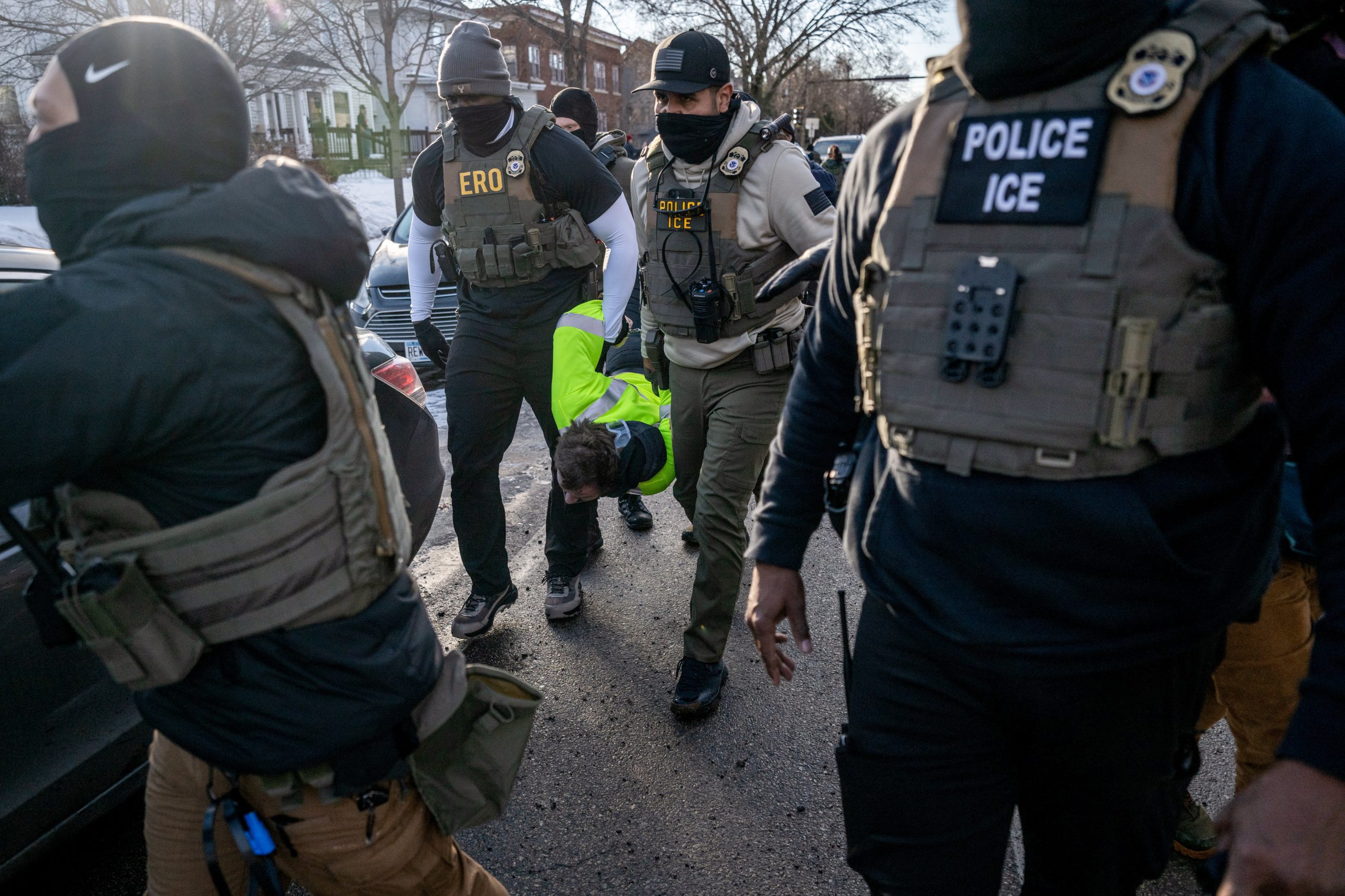
A year into his speculated second term, former President Donald Trump’s reimagined Immigration and Customs Enforcement (ICE) is drawing sharp criticism for its increasingly militarized tactics and expanded enforcement operations. Reports from cities like Chicago and Minneapolis paint a picture of agents in masks and tactical gear, conducting raids that have resulted in fatalities and widespread fear within communities. But what exactly has changed within ICE under this new administration, and what are the implications for immigration policy and civil liberties?
Shifting Tactics: From Targeted Arrests to Mass Enforcement
One significant shift lies in ICE’s operational strategy. According to recent reports, the agency has moved away from a model of targeted arrests focusing on individuals with serious criminal records. Instead, there’s been a push towards arresting as many individuals as possible, regardless of their criminal history or ties to the community. This “mass enforcement” approach has led to a broader net being cast, impacting not only undocumented immigrants with prior convictions but also those with minor infractions or no criminal record at all. This shift has been linked to policy changes implemented by the Trump administration, prioritizing sheer numbers over nuanced assessments of individual cases.
The Build-Up: Expanding the Ranks of ICE and CBP
Compounding the change in tactics is a significant increase in personnel. The Trump administration has reportedly prioritized hiring for both ICE and Customs and Border Protection (CBP), including Border Patrol. This expansion of the ranks has translated to a greater presence of agents in communities, fueling concerns about overreach and potential abuses of power. The militarization of ICE, with agents increasingly equipped with tactical gear and operating in a style more akin to law enforcement SWAT teams, has further amplified these concerns. Critics argue that this militarized approach fosters an environment of fear and distrust, particularly within immigrant communities.
Implications and the Road Ahead
The transformation of ICE under Trump raises fundamental questions about the direction of immigration enforcement in the United States. The shift towards mass enforcement, coupled with the agency’s militarization, has sparked fierce debate about the balance between national security and individual rights. Moving forward, it is crucial to examine the long-term consequences of these changes on immigrant communities, the justice system, and the overall social fabric of the nation. Understanding the data behind these shifts, and holding agencies accountable for their actions, is essential for a more just and equitable immigration policy.
SOURCE: Vox
Based on materials: Vox



