
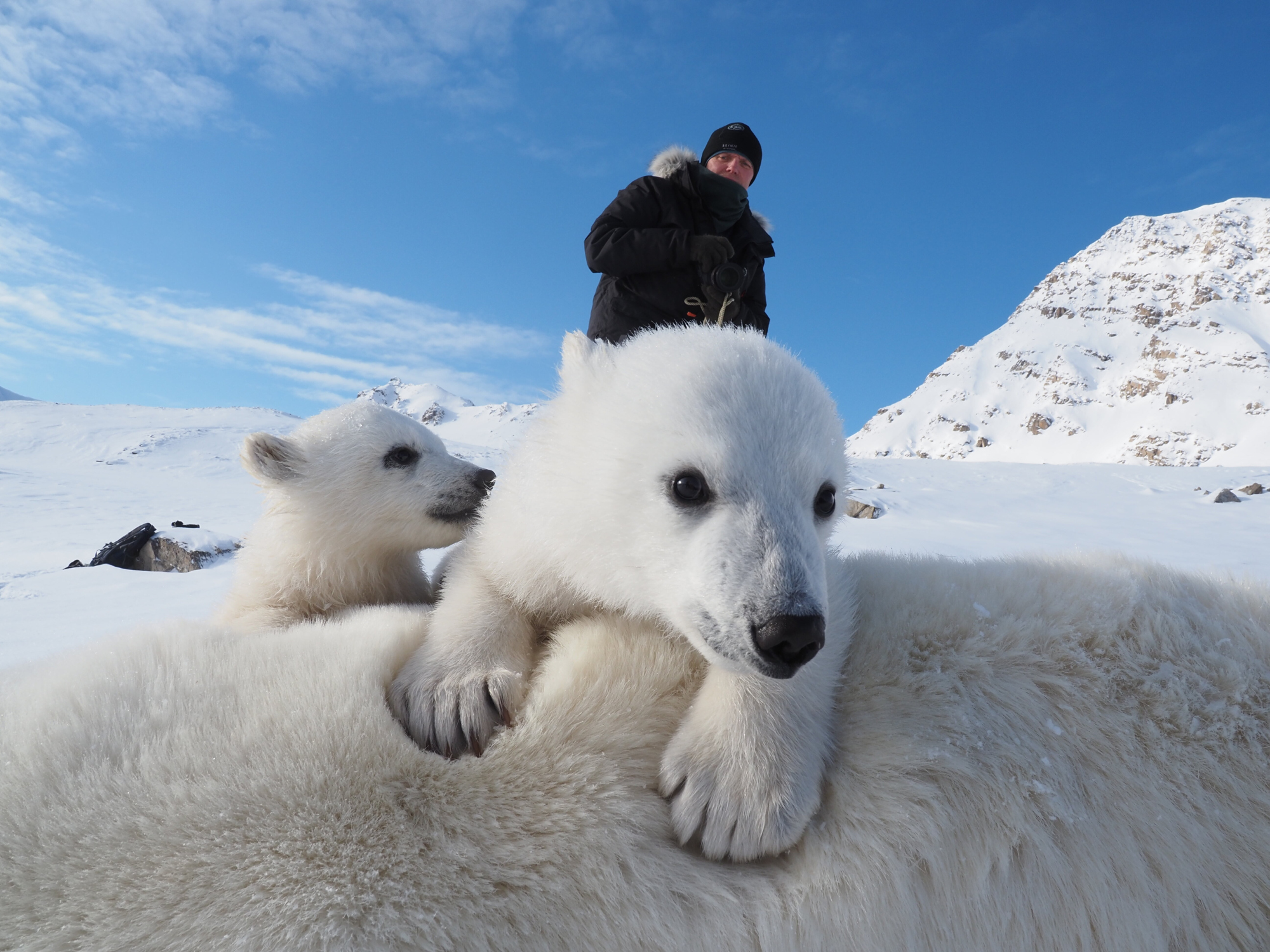
Polar Bear Resilience: Adapting to a Warming Arctic
For decades, the plight of the polar bear has served as a stark symbol of the devastating effects of climate change. Images of solitary bears stranded on shrinking ice floes have become synonymous with the urgency of addressing global warming. Scientists have warned that the melting sea ice, essential for their seal-hunting livelihood, could lead to their extinction. However, recent research suggests the story of these Arctic icons is more nuanced than previously understood, revealing surprising adaptability in the face of environmental challenges.
Glacial Refuges: A New Hunting Ground
A groundbreaking 2022 study highlighted a polar bear population in southeastern Greenland that has successfully adapted to utilizing glacial ice for hunting. Unlike their counterparts who rely solely on sea ice, these bears have learned to navigate and hunt on the ice formed by glaciers flowing into the ocean. This discovery offers a glimmer of hope, suggesting that some polar bear populations may possess the capacity to find alternative hunting strategies in areas where sea ice is rapidly disappearing.
Challenging the Narrative: A More Complex Reality
While the overall trend of declining sea ice remains a significant threat to polar bear populations across the Arctic, the Greenland study underscores the importance of regional variations and the potential for adaptation. Polar bear researcher Magnus Andersen, co-author of the study, and other scientists emphasize that the situation is not uniformly bleak. The ability of some bears to utilize glacial ice demonstrates a level of resilience that challenges the previously held assumption of inevitable extinction. This doesn’t negate the dangers posed by climate change, but it does add a layer of complexity to our understanding of how these animals are responding. It also highlights the need for continued research and monitoring to assess the long-term viability of these adaptive strategies.
Looking Ahead: Conservation in a Changing Climate
The discovery of glacial ice adaptation offers a valuable insight into the potential for polar bears to survive in a rapidly changing Arctic. However, it is crucial to remember that this adaptation is not a universal solution. The availability of glacial ice is limited and unevenly distributed. Furthermore, the ongoing warming trend continues to erode even these alternative habitats. Therefore, while celebrating the resilience of these Greenland bears, we must remain focused on mitigating climate change through reducing greenhouse gas emissions. Further research is also needed to fully understand the long-term implications of glacial ice dependence and to identify other potential adaptation strategies that polar bears may employ. Ultimately, the future of polar bears depends on our collective efforts to protect their environment and ensure their survival in a warming world.
Based on materials: Vox



