
Hidden Inferno: Millions of Homes Face Unseen Wildfire Risk
Wildfires, once perceived as a threat confined to the fringes of forests, are rapidly evolving into a far more pervasive danger, creeping into unexpected places and putting millions of homes at risk. While many assume the homes lost to wildfires are situated in obvious, high-risk zones, the reality is far more nuanced, and perhaps, far more alarming. New data reveals a disconnect between perceived risk and actual vulnerability, prompting a critical re-evaluation of how we assess and prepare for this growing threat.
Outdated Maps, Rising Risks
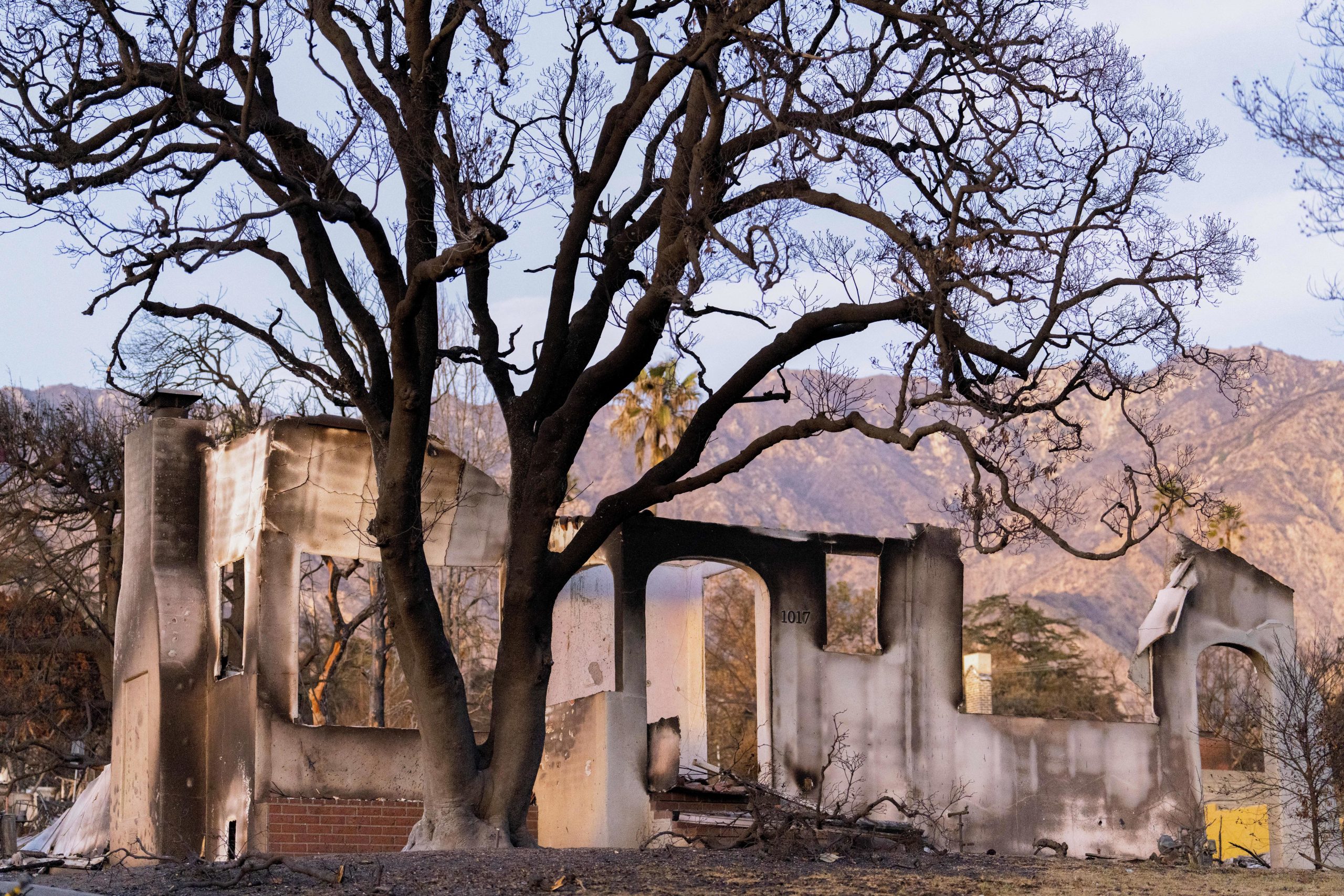
The limitations of current government risk maps are a major factor in the underestimation of wildfire danger. These maps often operate on a broad scale, failing to capture the complexities of how wildfires spread in the modern era. Embers, carried by strong winds, can travel for miles, igniting homes far beyond the traditional boundaries of high-risk areas. The devastating Los Angeles wildfires of last year serve as a stark example. Homes in neighborhoods ravaged by the blazes are still classified as “low risk” by FEMA, despite the clear evidence of their vulnerability. This discrepancy highlights the urgent need for more sophisticated and accurate risk assessment tools.
AI to the Rescue: A Clearer Picture Emerges
Fortunately, advancements in technology offer a glimmer of hope. New tools powered by artificial intelligence are emerging, providing a more granular and realistic view of wildfire risk. These AI-driven models can analyze a multitude of factors, including topography, vegetation density, weather patterns, and even building materials, to create highly detailed risk assessments. Unlike traditional methods, these tools can account for the unpredictable nature of ember spread and identify homes that may be vulnerable despite their location. By leveraging AI, we can move beyond outdated maps and gain a clearer understanding of the true scope of the wildfire threat.
Beyond Assessment: Proactive Measures Are Key
Accurate risk assessment is only the first step. Armed with this knowledge, homeowners and communities must take proactive measures to mitigate their vulnerability. This includes creating defensible space around homes by removing flammable vegetation, using fire-resistant building materials, and developing comprehensive evacuation plans. Furthermore, policymakers must invest in infrastructure improvements, such as underground power lines and water storage facilities, to enhance community resilience. Addressing the wildfire crisis requires a multi-faceted approach, combining cutting-edge technology with proactive mitigation strategies.
Conclusion: A Call to Action
The evolving nature of wildfires demands a paradigm shift in how we perceive and manage risk. Relying on outdated maps and assumptions is no longer sufficient. By embracing new technologies, such as AI-powered risk assessment tools, and implementing proactive mitigation measures, we can better protect our homes and communities from the growing threat of wildfires. The time to act is now, before the hidden inferno engulfs even more lives and livelihoods.
Based on materials: Vox



