
Journalists Face Charges: Free Press Under Fire?
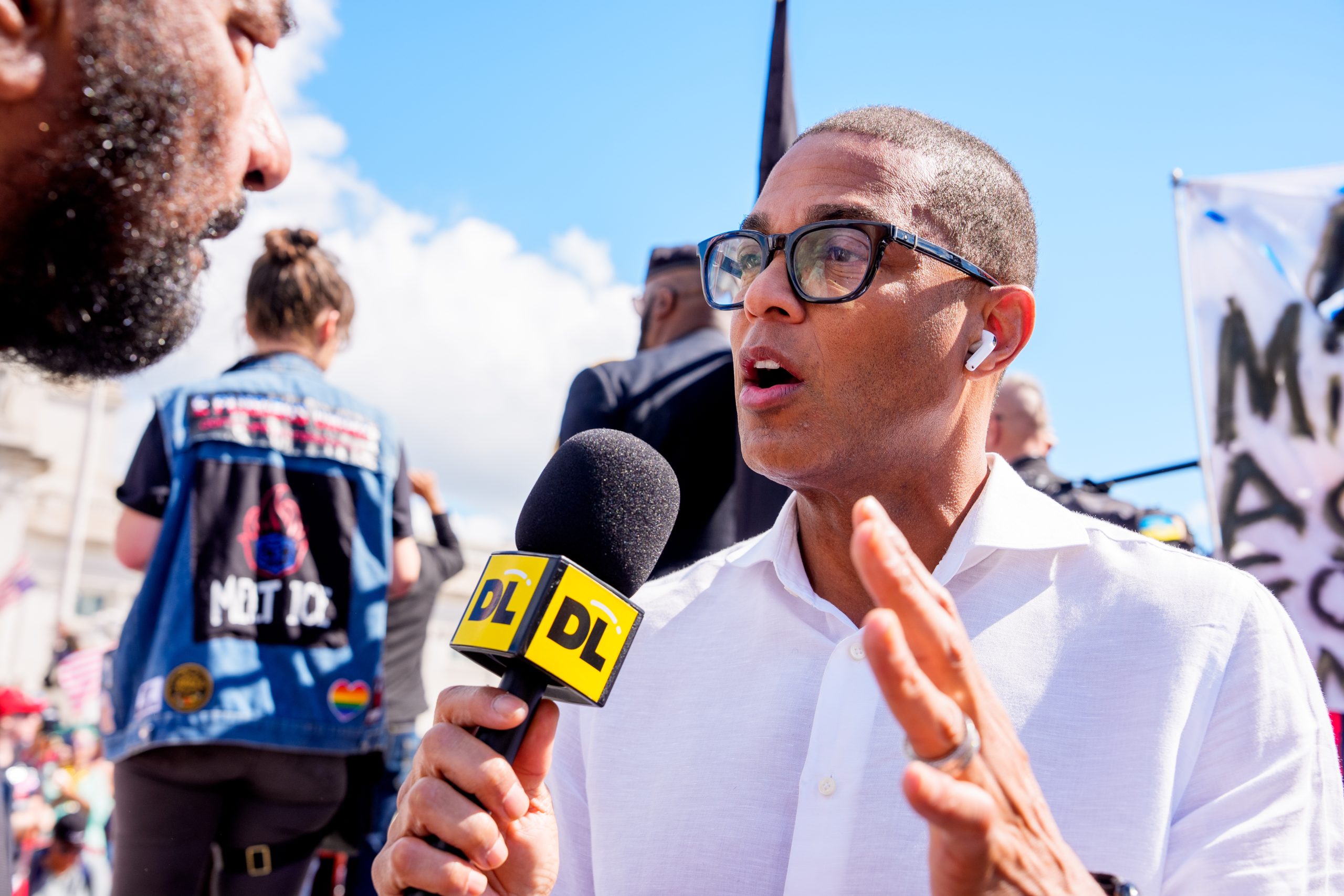
In a move raising serious questions about press freedom, former CNN host Don Lemon and independent journalist Georgia Fort have been indicted on charges of conspiracy to deprive rights and interfering with religious freedom. The charges, brought forth by the Trump administration, stem from their coverage of a protest in the Minneapolis area earlier this month. This development has sent ripples through the media landscape, sparking debate about the role of journalists and the limits of their protection under the First Amendment.
The Minneapolis Protest and Subsequent Charges
The incident in question involved activists disrupting a church service in St. Paul, Minnesota. The protest targeted a pastor associated with ICE (Immigration and Customs Enforcement). Lemon and Fort were present, documenting the event. While the full details of their involvement remain under scrutiny, the indictment suggests the Trump administration believes their reporting crossed the line into active participation in the disruption. The indictment alleges Lemon and Fort conspired with protesters to infringe upon the rights of churchgoers and disrupt their religious service.
A Threat to Journalistic Independence?
The indictment against Lemon and Fort raises concerns about the potential chilling effect on investigative journalism, particularly when covering controversial or politically sensitive topics. If journalists fear prosecution for simply reporting on protests or controversial events, it could lead to self-censorship and a reluctance to cover important stories. This indictment raises the specter of whether this action is a politically motivated attempt to intimidate the press and control the narrative around protests and social justice movements. Legal experts are already weighing in, debating the strength of the charges and the implications for future cases involving journalists covering protests. The key question is whether the prosecution can demonstrate that Lemon and Fort acted beyond the scope of journalistic observation and reporting.
The Broader Implications
This case arrives at a time when the relationship between the media and the government is already strained. Accusations of “fake news” and attacks on the credibility of journalists have become commonplace. The indictment of Lemon and Fort could further erode public trust in the media and embolden those who seek to silence dissenting voices. The case serves as a stark reminder of the importance of protecting journalistic independence and ensuring that reporters can do their jobs without fear of reprisal. The outcome of this case will undoubtedly set a precedent for future interactions between journalists, protesters, and law enforcement, shaping the landscape of press freedom for years to come.
SOURCE: Vox
Based on materials: Vox



