
U.S. Abortion Policy Abroad: A Deadly Culture War?
The reverberations of America’s domestic culture wars are increasingly felt far beyond its borders, with potentially devastating consequences for women’s health in developing nations. Vice President JD Vance’s recent announcement of an expanded “Mexico City Policy” has reignited a fierce debate about the role of U.S. foreign aid and its impact on reproductive healthcare worldwide. But what exactly is this policy, and why is it so controversial?
The Global Gag Rule’s Resurgence
The Mexico City Policy, often referred to as the “global gag rule,” is a decades-old directive that prohibits foreign organizations receiving U.S. global health assistance from using those funds to perform or actively promote abortion as a method of family planning. While Republican administrations have historically reinstated the policy, the recent expansion announced by VP Vance marks a significant escalation. This means even more organizations face the difficult choice of forfeiting U.S. funding or limiting the scope of their reproductive health services.
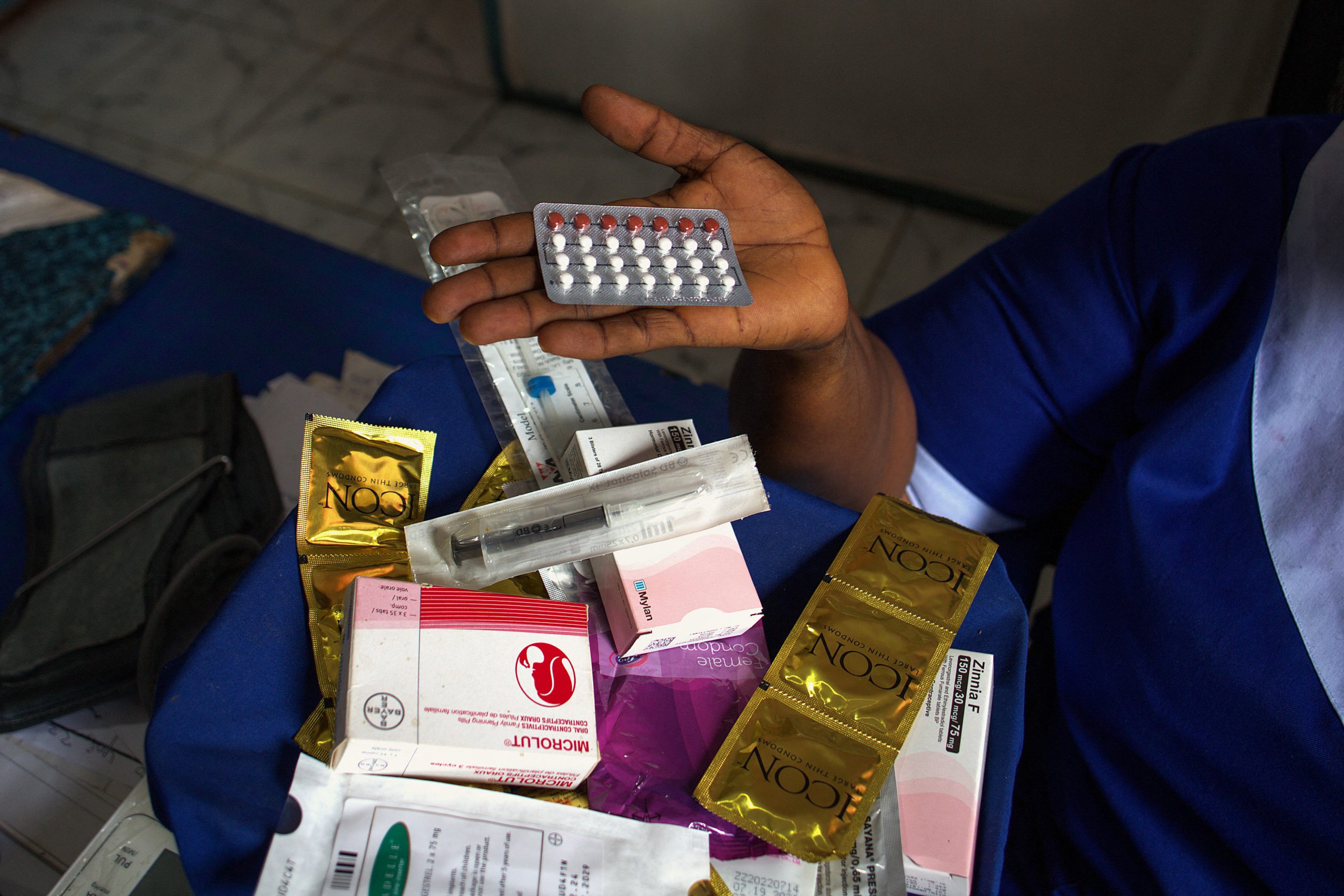
The impact of this policy is far-reaching. It doesn’t just affect abortion services; it can cripple comprehensive healthcare programs that provide essential services like maternal care, contraception, and HIV/AIDS prevention. Critics argue that by restricting access to information and services, the policy ultimately leads to more unintended pregnancies and unsafe abortions, endangering the lives of women and undermining global health efforts.
Consequences Beyond Abortion
The core issue lies in the policy’s broad interpretation and its potential to silence healthcare providers. Organizations fear losing funding if they even mention abortion as an option, even in cases where a woman’s life is at risk. This can lead to a chilling effect, where providers are hesitant to offer comprehensive reproductive health information, limiting women’s ability to make informed choices about their bodies and their futures.
Furthermore, the policy disproportionately affects vulnerable populations in developing countries, where access to healthcare is already limited. These communities often rely heavily on U.S. aid for essential health services, and the loss of funding can have a devastating impact on their well-being.
A Clash of Values, a Cost in Lives
The expansion of the Mexico City Policy underscores the deep divisions within the U.S. regarding abortion rights. While proponents view it as a way to protect the sanctity of life, opponents argue that it infringes on women’s reproductive freedom and undermines global health efforts. Regardless of one’s stance on abortion, it’s crucial to acknowledge the real-world consequences of this policy. By restricting access to reproductive healthcare, the U.S. is not only imposing its values on other nations but also potentially endangering the lives of countless women around the world. The debate over abortion has become a culture war with a global reach, and the casualties are often the most vulnerable among us.
Based on materials: Vox



