
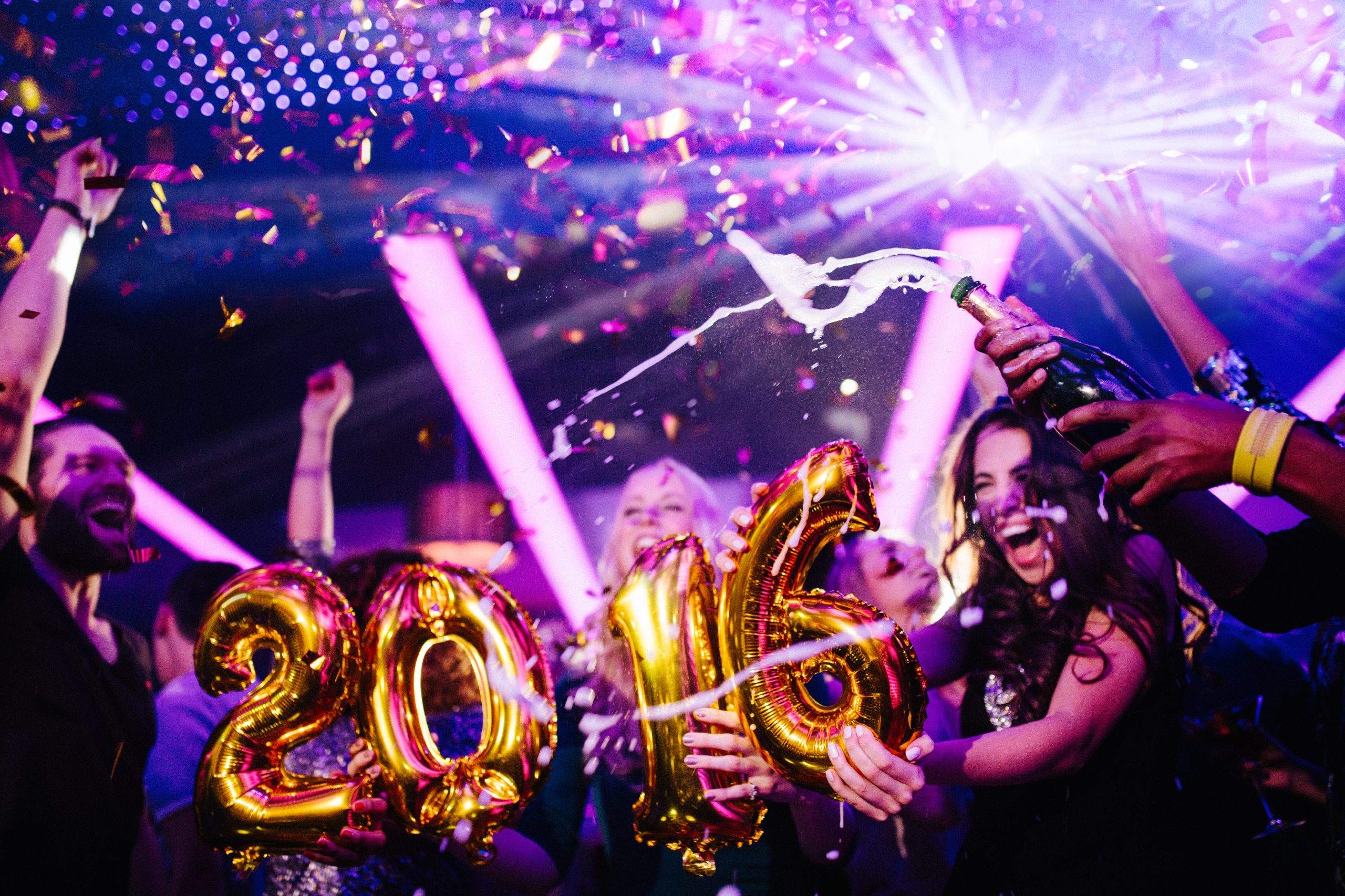
The 2010s are back – or are they? Nostalgia, it seems, is cyclical, and Gen Z has officially caught the bug, specifically for the decade that brought us peak Tumblr, vibrant fashion, and the rise of social media influencers. But why this particular era? Is it a genuine longing for simpler times, or something more complex?
Rose-Tinted Reality: The Allure of the 2010s
At the start of 2024, the internet was awash in 2016 nostalgia. Spotify saw a staggering 790% increase in 2016-themed playlists, indicating a desire to recapture the perceived “good vibes” of that year. However, the reality of 2016, as many who lived through it remember, was far from a carefree dream. Political upheaval, international tensions, and social anxieties were very much present.
Daysia Tolentino, journalist and author of the “Yap Year” newsletter, has been tracking this trend for almost a year. She suggests that Gen Z often blends the years of the 2010s together, cherry-picking the fun, cultural highlights while overlooking the less palatable realities. This selective memory allows them to create an idealized version of the past, a comforting escape from the complexities of the present.
Beyond Nostalgia: A Yearning for Something New?
Tolentino argues that this 2010s nostalgia might be a sign that young people are ready to break free from these cycles and move toward new experiences. Maybe the constant revisiting of the past is a subconscious signal that the current cultural landscape lacks a certain spark, a unique identity that Gen Z is actively seeking to create.
The tendency to romanticize past eras is not unique to Gen Z. Every generation experiences a wave of nostalgia, often triggered by a desire to return to a perceived simpler time. However, the speed and intensity of this particular wave, fueled by social media and streaming platforms, is noteworthy. It raises questions about the role of technology in shaping our collective memory and the impact of constant connectivity on our perception of time.
The Future is Unwritten
Ultimately, Gen Z’s fascination with the 2010s is a multifaceted phenomenon. It’s a blend of genuine appreciation for the cultural trends of the era, a selective filtering of its less appealing aspects, and perhaps a yearning for a new cultural identity. Whether this nostalgia is a temporary fad or a harbinger of a larger cultural shift remains to be seen. One thing is certain: the past, present, and future are inextricably linked, each informing and shaping the other.
Based on materials: Vox



