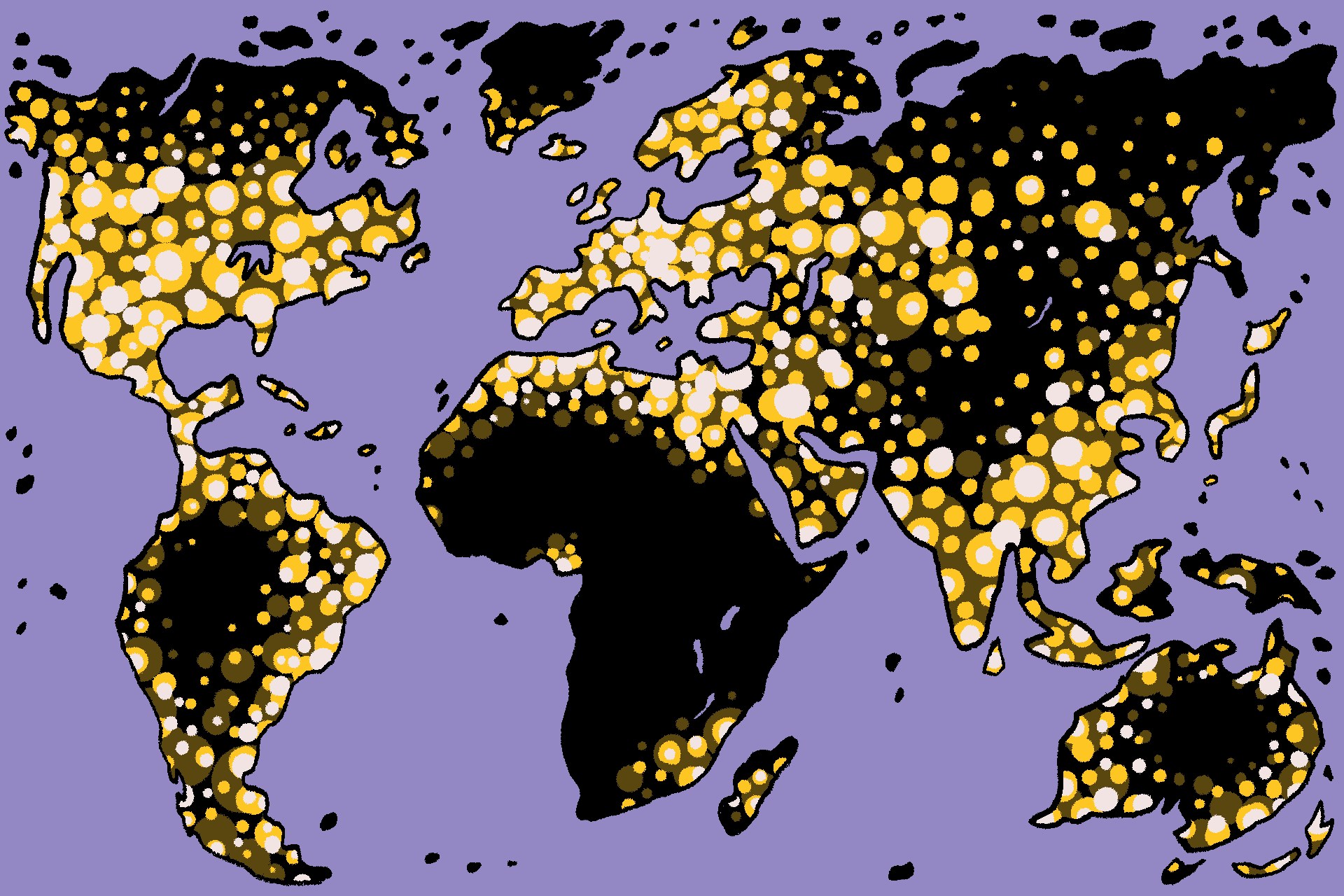
Millions worldwide remain without access to electricity, a stark contrast to the energy-hungry demands of the developed world and the rise of AI. While renewable energy sources are expanding and global emissions are showing signs of plateauing, a significant portion of the global population still lives without this fundamental resource. The International Energy Agency (IEA) estimates that 730 million people live without electricity, a figure that underscores the uneven distribution of energy access in the 21st century.
The Energy Divide: A Tale of Two Worlds
The relentless pursuit of energy to fuel technological advancements, particularly the construction of data centers for artificial intelligence, has led to a surge in power plant construction in countries like the US and China. This demand has, in turn, driven fossil fuel consumption to record highs, even as renewable energy sources gain traction. China, despite being the world’s largest emitter, experienced a drop in carbon dioxide output due to increased reliance on renewables, showcasing the potential for a cleaner energy future.
However, this progress masks a significant disparity. While developed nations grapple with energy consumption and emissions, millions of people are deprived of even basic electricity access. This energy poverty has far-reaching consequences, impacting everything from healthcare and education to economic opportunity and quality of life.
Bridging the Gap: Challenges and Opportunities
The challenge of providing electricity to the world’s underserved populations is multifaceted. Infrastructure limitations, financial constraints, and geographical barriers all play a role. Reaching remote and rural communities often requires innovative solutions like off-grid renewable energy systems, such as solar home systems and mini-grids. These solutions not only provide electricity but also empower local communities and reduce reliance on fossil fuels.
Furthermore, international cooperation and investment are crucial to bridging the energy gap. Developed nations and international organizations can provide financial and technical assistance to help developing countries build sustainable energy infrastructure. This includes supporting the development of renewable energy resources, improving grid connectivity, and promoting energy efficiency.
A Brighter Future Through Universal Access
Addressing energy poverty is not only a humanitarian imperative but also essential for achieving sustainable development goals. Providing electricity to all unlocks a cascade of benefits, from improved health outcomes and educational opportunities to increased economic productivity and reduced environmental impact. While the global energy landscape is complex and evolving, the goal of universal access to electricity should remain a top priority, ensuring that everyone has the opportunity to thrive in a powered world.
SOURCE: Vox
Based on materials: Vox