Zoning’s Grip: Unmasking the Roots of the Housing Crisis
The American dream of homeownership is increasingly out of reach for many, and while economic factors often take center stage, a less visible culprit lurks beneath the surface: restrictive zoning laws. For over a century, urban planning in the U.S. has inadvertently, and sometimes intentionally, erected barriers to density, effectively banning apartment buildings and contributing significantly to the current housing affordability crisis. As policymakers attempt to reverse this trend, they are uncovering a complex web of obstacles deeply embedded in the fabric of American urban development.
The Legacy of Exclusionary Zoning
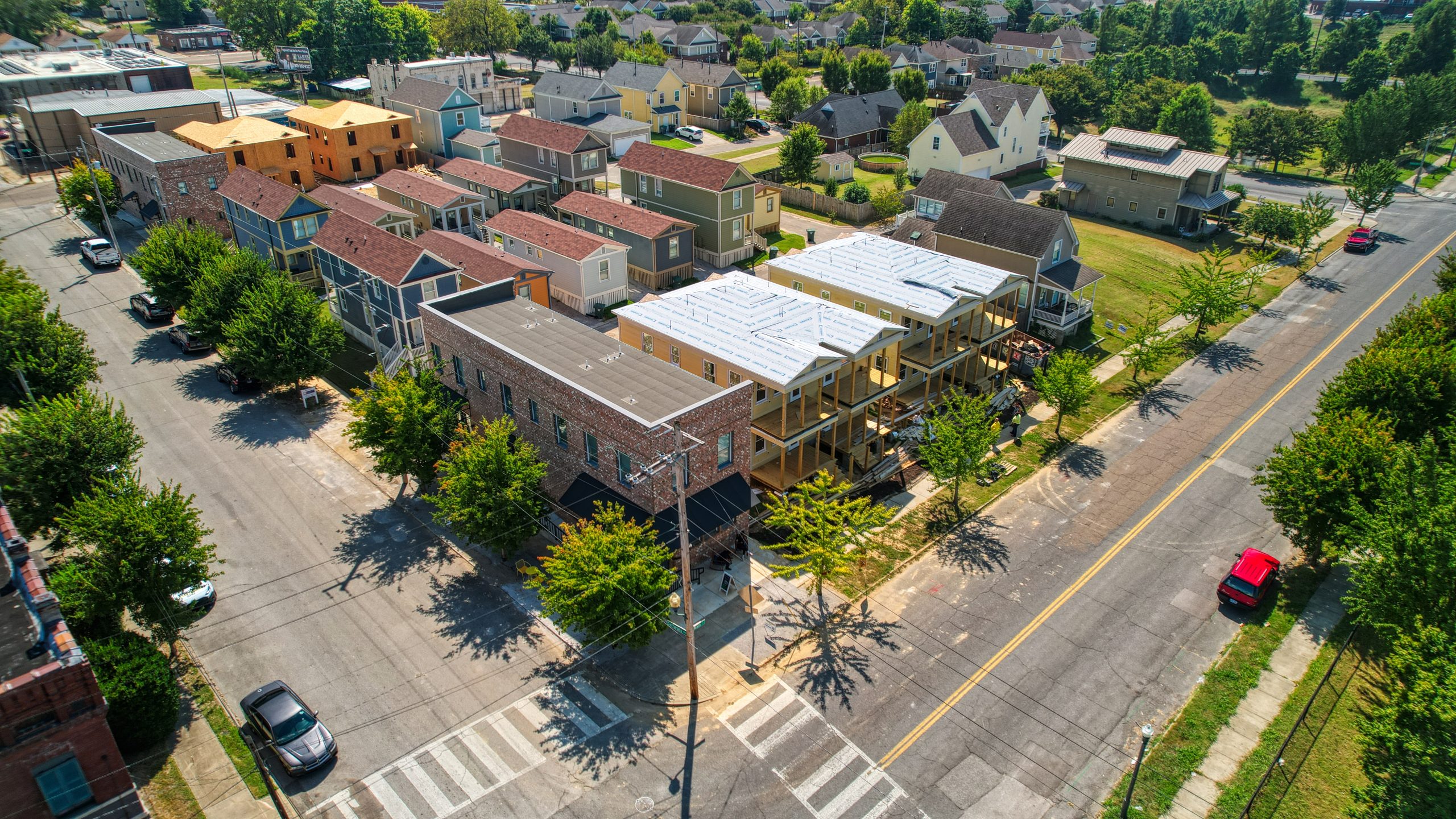
The core issue, often cited as the primary driver of the housing shortage, is exclusionary zoning. This system dictates the types of buildings permissible in specific areas, with the majority of residential land across the nation reserved exclusively for detached single-family homes. This deliberate limitation of housing options has led to scarcity, sprawl, and ultimately, unaffordable housing. The impact is far-reaching, affecting not only individual homeowners but also the overall economic health and social equity of communities.
Beyond Zoning: A Labyrinth of Regulations
While zoning restrictions are a major impediment, the problem extends beyond simply allowing or disallowing certain types of buildings. A complex array of regulations governing the construction of new homes further exacerbates the issue. These labyrinthine rules, often overlooked in discussions about housing affordability, add layers of cost and complexity to the development process, discouraging innovation and limiting the supply of diverse housing options. These hidden double standards, favoring single-family homes, have created a system resistant to change and ill-equipped to meet the growing demand for affordable housing.
Toward a More Inclusive Future
The path towards a more equitable and affordable housing market requires a comprehensive approach. States and cities are beginning to address the foundational problem of exclusionary zoning, but the journey is fraught with challenges. Overcoming deeply entrenched biases and navigating the intricate web of regulations will require sustained effort and a commitment to innovative solutions. By dismantling these barriers, policymakers can unlock the potential for greater housing density, diversity, and affordability, paving the way for a more inclusive and sustainable future for all.
Based on materials: Vox