Rise of the Machines: Atlas Robot Evolves Beyond Backflips
The world of robotics is rapidly evolving, and no image captures this transition more poignantly than a deactivated humanoid robot. These once-agile machines, capable of impressive feats, become inert and almost vulnerable when powered down, a stark reminder of their reliance on external energy. This juxtaposition of capability and dependence is at the heart of the progress in robotics, exemplified by the evolution of the Atlas robot.
From Lab Curiosity to Factory Floor
Many remember Atlas from its viral YouTube videos, showcasing its ability to navigate obstacle courses and perform backflips with surprising agility. But witnessing the same robot lying dormant on the floor of an MIT lab offers a humbling perspective. The contrast highlights how far humanoid robots have come, and simultaneously, how far they still have to go.
Boston Dynamics, the company behind Atlas, has been pushing the boundaries of robotic capabilities. Their latest iteration of Atlas is no longer just about impressive stunts. It’s about practical application. This new generation of Atlas robots is learning to perform intricate tasks like picking up and placing objects, guided by a sophisticated AI model that governs its movements. The aim is clear: to transition these robots from lab curiosities to valuable assets in real-world environments.
The Dawn of Humanoid Labor?
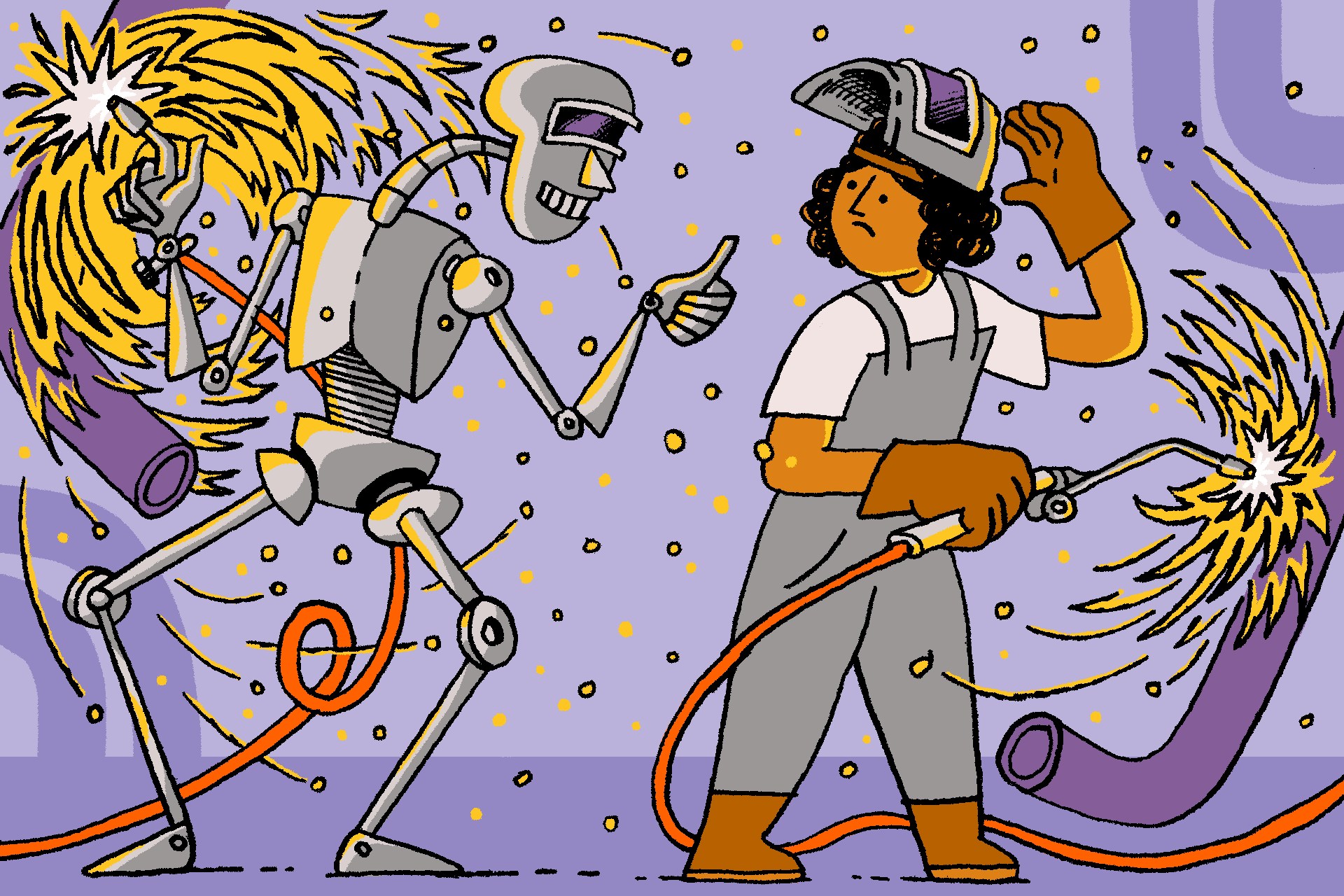
The implications of this shift are significant. Soon, these advanced Atlas robots will be deployed on factory floors, taking on tasks that are often repetitive, dangerous, or physically demanding for human workers. While the idea of robots working alongside humans in manufacturing settings isn’t new, the increasing sophistication and adaptability of humanoid robots like Atlas open up possibilities that were once confined to science fiction.
Beyond the factory floor, the potential applications are vast. Imagine these robots assisting in disaster relief, construction, or even exploration. The ability to navigate complex environments and perform intricate tasks makes them ideal candidates for roles that require adaptability and resilience. However, this progress also raises important questions about the future of work and the ethical considerations of integrating advanced robots into our daily lives. As Atlas continues to evolve, it serves as a powerful symbol of both the incredible potential and the inherent challenges of the robotic revolution.
The Future is Now
The journey of Atlas, from a YouTube sensation performing acrobatic tricks to a potential factory worker, encapsulates the rapid advancement of robotics. These machines are no longer just about showmanship; they are about solving real-world problems. As AI continues to improve and robots become more adaptable, we can expect to see them playing an increasingly prominent role in various industries, blurring the lines between human and machine capabilities. The robots we deserve may not be the ones that can do backflips, but the ones that can help us build a better future.
Based on materials: Vox