Trump’s Wildfire Initiative: Is It Extinguishing the Flames?
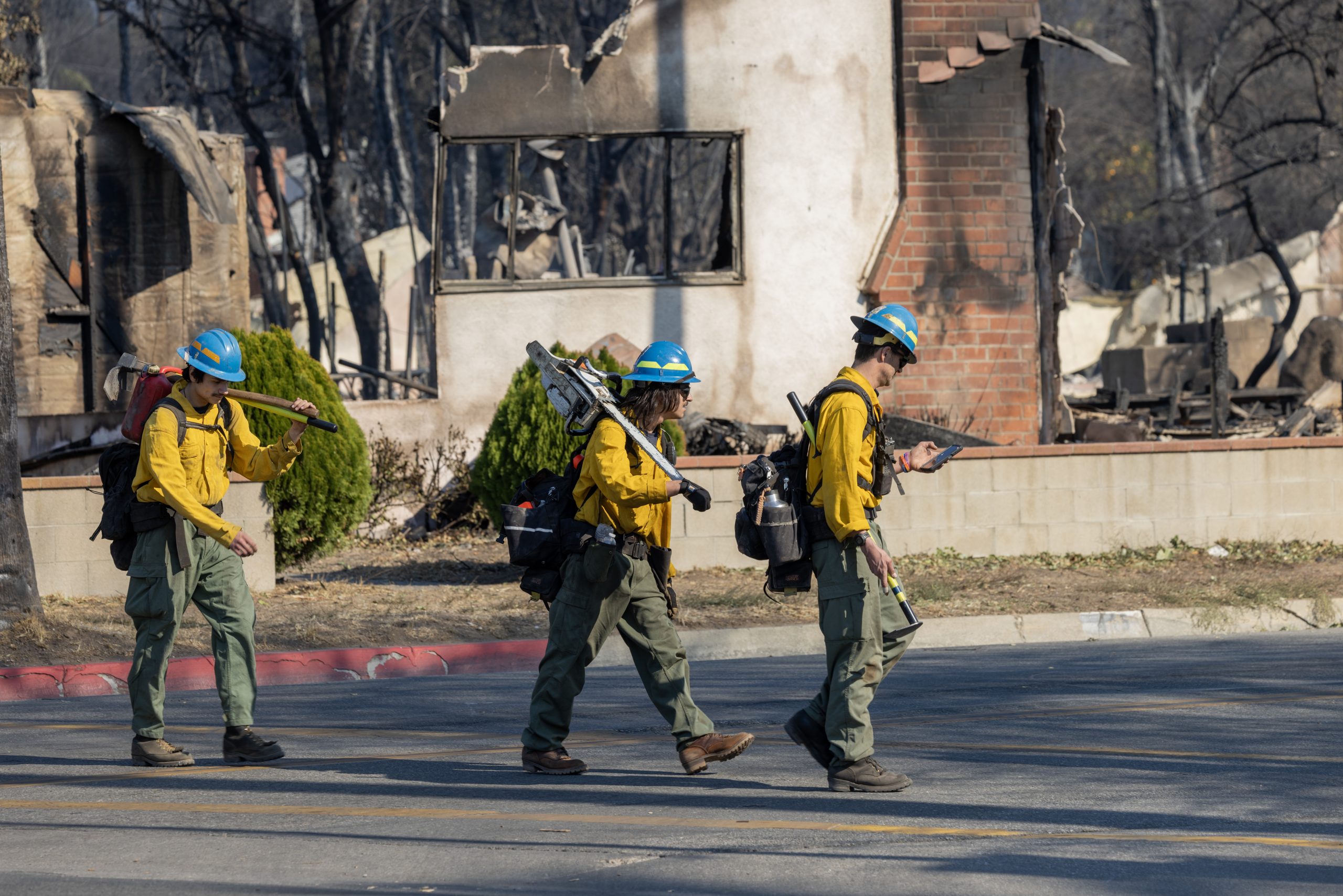
Wildfires have become a devastating reality across the United States in recent years, leaving a trail of destruction in their wake. The Los Angeles wildfires of 2025, which consumed thousands of buildings, claimed dozens of lives, and blanketed millions in smoke, highlighted a critical issue: the persistent bureaucratic hurdles hindering effective wildfire response. In response to this escalating crisis, former President Donald Trump initiated a Wildland Fire Service, aimed at streamlining efforts and improving preparedness. But is this initiative truly igniting change, or is it merely adding fuel to the fire of bureaucratic inefficiency?
Bureaucratic Inferno: Untangling the Web of Responsibility
The chaos surrounding wildfire response often stems from a tangled web of responsibilities. Questions arise regarding which agency is in charge, who bears the cost of cleanup, which level of government is accountable for prevention, and ultimately, who foots the bill. This confusion can lead to delays and inadequate responses, exacerbating the damage caused by these infernos. As Trump himself stated in an executive order last year, “In too many cases, including in California, a slow and inadequate response to wildfires is a direct result of reckless mismanagement and lack of preparedness.” The Department of the Interior’s recent announcement that it is taking steps to address the matter further underscores the urgency of the situation.
A Spark of Hope or a Smoldering Disappointment?
While the intention behind Trump’s Wildland Fire Service may have been noble, questions remain about its effectiveness. Has the initiative successfully cut through the red tape that has historically hampered wildfire response? Are resources being allocated efficiently and effectively to prevent and combat these blazes? Early indicators suggest that the program may be struggling to achieve its goals, which raises concerns about whether it’s truly equipped to tackle the complex challenges of modern wildfire management.
Looking Ahead: A Call for Coordinated Action
The increasing frequency and intensity of wildfires demand a comprehensive and coordinated response. This requires not only addressing the bureaucratic hurdles that impede effective action but also investing in proactive prevention measures, such as forest management and community preparedness. The future of wildfire management hinges on the ability of government agencies, communities, and individuals to work together to mitigate the risks and protect lives and property. Only through a concerted effort can we hope to extinguish the threat posed by these devastating natural disasters.
Based on materials: Vox