Reinventing Public Housing: Lessons from HOPE VI’s Success
The towering public housing projects that once dominated American cityscapes are largely relics of the past, monuments to a well-intentioned but ultimately flawed social experiment. From the 1930s to the 1960s, these austere, often high-rise complexes sprung up across the nation, aiming to provide affordable housing for low-income families. However, these developments soon became plagued by disrepair, concentrated poverty, and social isolation, leading to a swift shift in public opinion and policy.
The Rise and Fall of the High-Rise
The original vision behind these large-scale public housing projects was rooted in optimism and a desire to address housing shortages and improve living conditions for the urban poor. However, the reality fell far short of the ideal. Poor design, inadequate maintenance, and a lack of community resources contributed to a downward spiral, transforming these once-promising developments into symbols of urban decay. The concentration of poverty within these complexes also exacerbated social problems and hindered residents’ opportunities for upward mobility.
HOPE VI: A New Approach to Affordable Housing
In response to the growing crisis in public housing, Congress established the HOPE VI program in 1992. This initiative marked a “dramatic turnaround” in US housing policy, providing funding to demolish distressed public housing buildings and replace them with new, mixed-income communities. The HOPE VI program embraced a fundamentally different approach to affordable housing, emphasizing integration, deconcentration, and community revitalization.
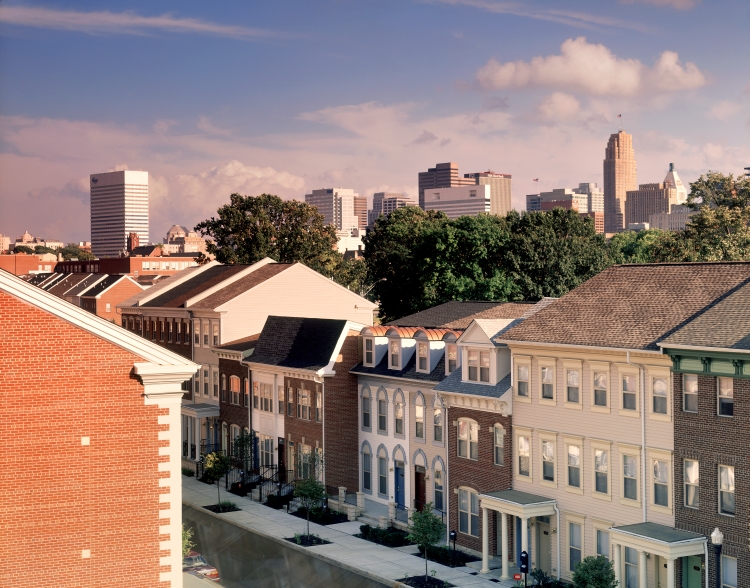
The newer developments typically consist of low-rise townhomes and smaller apartment buildings that are seamlessly integrated into the surrounding city street grid. By incorporating a mix of public housing, subsidized housing, and market-rate units, these communities aim to break the cycle of concentrated poverty and create more vibrant and sustainable neighborhoods. This approach fosters economic diversity and social interaction, providing residents with greater access to opportunities and resources.
The Path Forward
The HOPE VI program has demonstrated the potential for a more effective and equitable approach to public housing. By prioritizing community integration, mixed-income development, and resident empowerment, these newer communities offer a model for creating truly affordable and thriving neighborhoods. As cities grapple with housing shortages and rising inequality, the lessons of HOPE VI are more relevant than ever. Investing in well-designed, mixed-income communities is not just a matter of providing housing; it’s an investment in the future of our cities and the well-being of all residents.
SOURCE: Vox
Based on materials: Vox