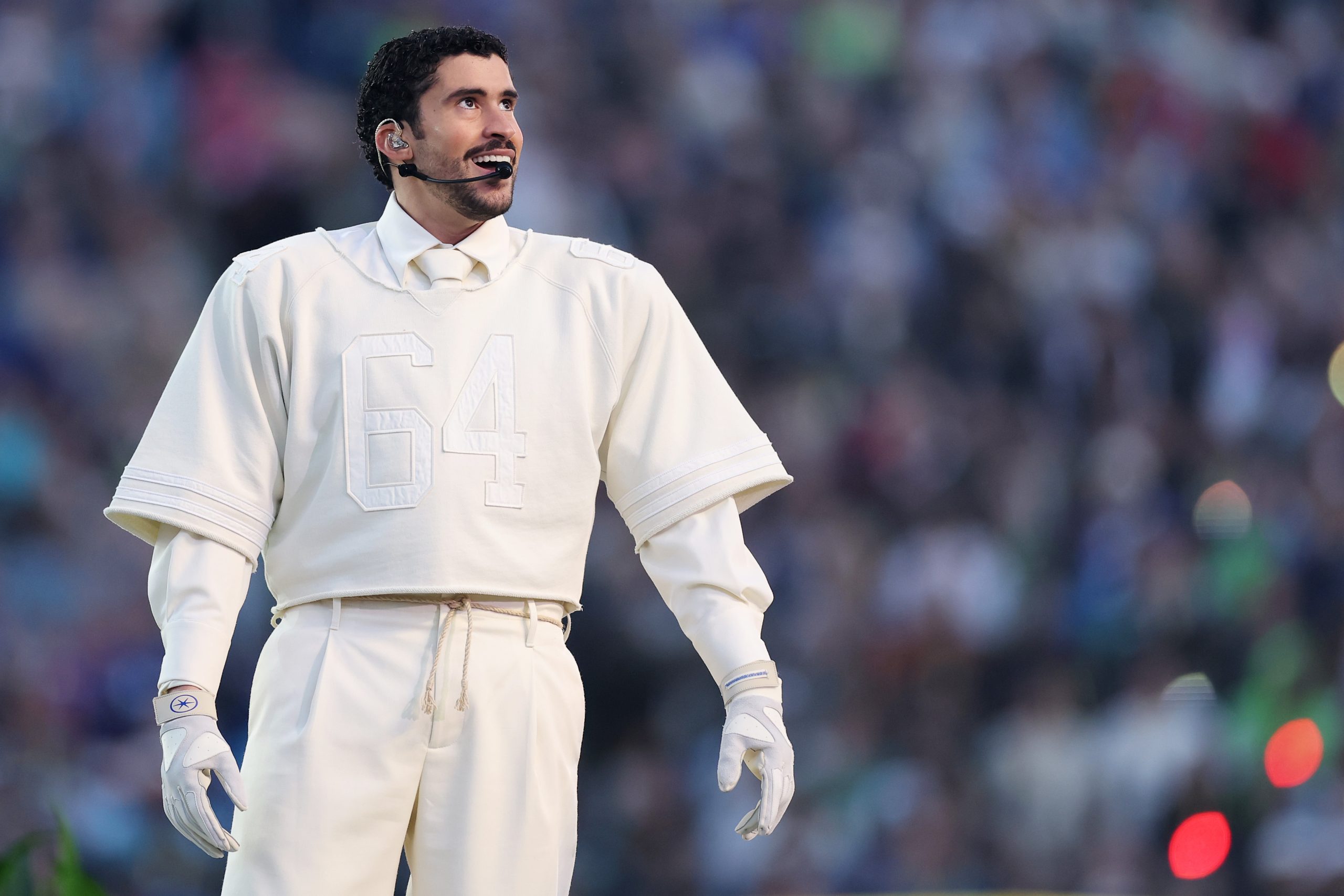
Bad Bunny’s Super Bowl Show Sparks Political Buzz
Bad Bunny’s Super Bowl halftime performance wasn’t just a musical spectacle; it ignited a political debate, highlighting the ongoing tensions surrounding identity, representation, and cultural appropriation in American politics. The performance, and the preceding marketing blitz, became a focal point for discussions about the evolving landscape of political messaging and the challenges of unifying diverse perspectives.
“All-American Halftime” Sparks Controversy
The controversy began when the Democratic Party’s official X (formerly Twitter) account posted an image of Bad Bunny, framed by the American and Puerto Rican flags, accompanied by the text “All-American halftime with Bad Bunny.” This seemingly innocuous post quickly drew criticism, particularly from conservative commentator Alexis Wilkins, who acknowledged the effectiveness of the branding while simultaneously expressing concern. Wilkins, known for her conservative viewpoints, admitted that the Democratic Party’s messaging was effective, allowing them to rally support around a unifying figure. Her comments underscored the recognition that cultural icons like Bad Bunny can be powerful political tools, capable of transcending traditional party lines.
A Reflection of Shifting Political Narratives
Wilkins’ response points to a larger issue: the struggle within the Republican party to adapt to changing demographics and cultural norms. While some Republicans may view Bad Bunny’s performance as a departure from traditional American values, others recognize the importance of engaging with diverse audiences and embracing cultural figures who resonate with younger generations. The debate surrounding Bad Bunny’s halftime show also reflects a broader conversation about the meaning of “American” identity. As the United States becomes increasingly diverse, questions arise about who gets to define American culture and how different cultural expressions are integrated into the national narrative.
Beyond the Music: A Cultural Battlefield
The incident underscores how deeply intertwined culture and politics have become. What was intended as entertainment quickly became a battleground for ideological clashes, demonstrating the power of music and celebrity to ignite political discourse. The performance, and the reaction to it, serve as a reminder that in today’s hyper-connected world, even seemingly innocuous cultural events can become flashpoints for political debate. Ultimately, the controversy surrounding Bad Bunny’s Super Bowl performance highlights the ongoing struggle to navigate the complexities of identity, representation, and cultural appropriation in a rapidly changing political landscape.
Based on materials: Vox