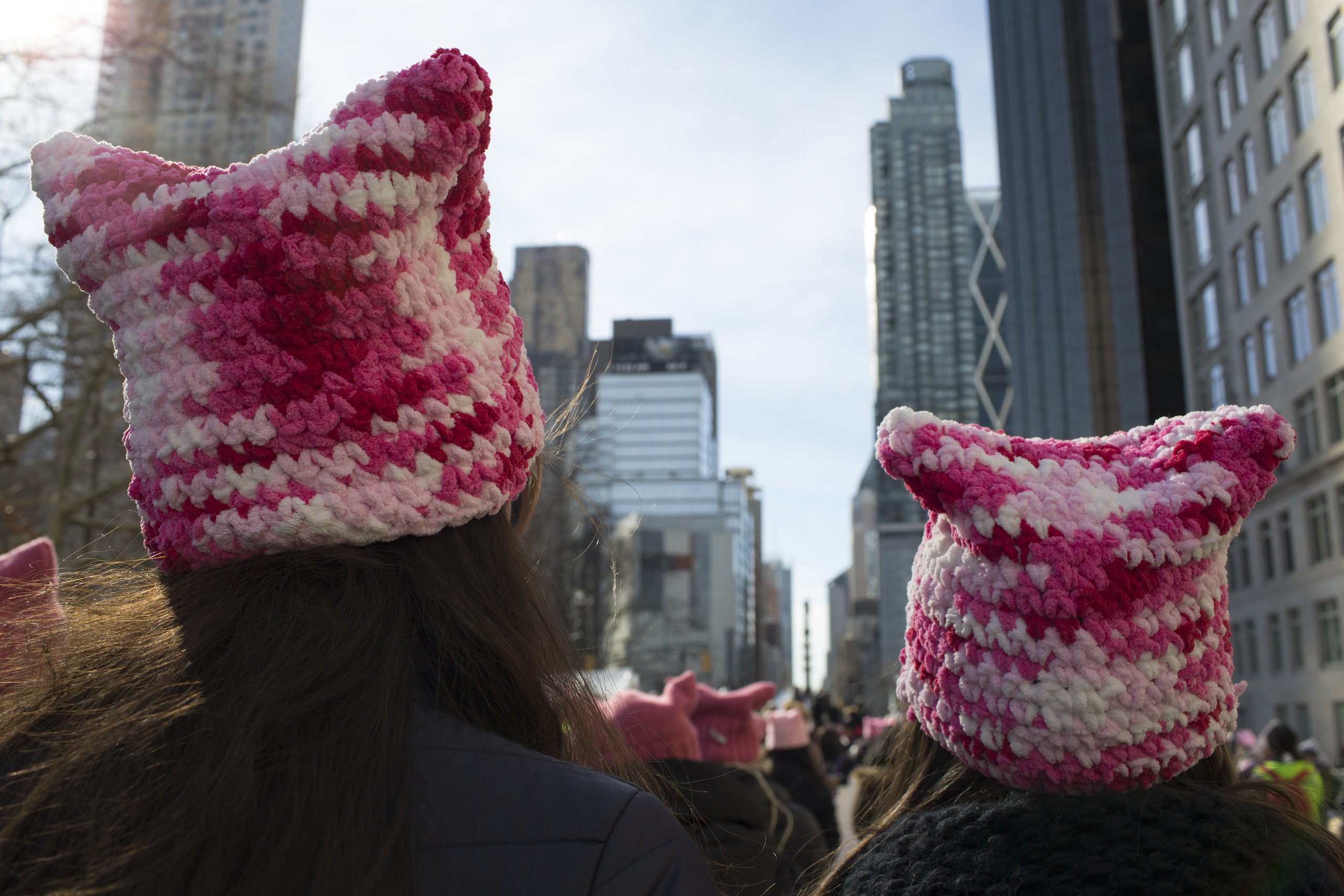
The Rise of the “AWFUL”: A New Front in the Culture War
In the ever-evolving landscape of political discourse, a new target has emerged in right-wing circles: the “Affluent White Female Urban Liberal,” or “AWFUL.” This acronym, laden with disdain, is increasingly used by conservative commentators and online personalities to describe a perceived enemy within. But how did this demographic become a focal point of right-wing ire, and what does it signify about the current state of political division?
From Progressive Ally to Conservative Scapegoat
The critique of “AWFULs,” as articulated by figures on platforms like Fox News and YouTube, paints a picture of smug, entitled women whose progressive activism is rooted in personal dissatisfaction rather than genuine concern for social justice. They are accused of driving policies that harm the very communities they claim to protect, exemplified by claims that their activism fuels aggressive ICE enforcement in Minnesota. Some commentators even suggest that personal frustrations – sexual frustration, childlessness – motivate their political engagement.
The rise of the “AWFUL” as a conservative boogeyman seems to have solidified in recent years, with mentions appearing in publications like the Washington Examiner as early as 2024. This suggests a gradual shift in right-wing rhetoric, transforming a once-presumed ally – white women – into a symbol of everything they perceive as wrong with progressive politics.
A Symptom of Deeper Divisions
The “AWFUL” phenomenon is more than just a catchy acronym; it represents a deeper fracture in American society. It highlights the growing polarization of political identities, where entire groups are stereotyped and demonized based on perceived ideological affiliations. By focusing on the “AWFUL,” right-wing commentators are able to tap into existing anxieties about class, gender, and urban-rural divides, creating a convenient scapegoat for complex societal problems.
This trend is particularly concerning because it risks silencing diverse voices within the progressive movement. By reducing an entire demographic to a caricature, it becomes easier to dismiss their concerns and experiences. It also reinforces harmful stereotypes about women and their motivations for political engagement.
Conclusion: A Need for Nuance
The emergence of the “AWFUL” as a target of right-wing criticism is a stark reminder of the increasing polarization of American politics. While legitimate critiques of progressive policies are always welcome, resorting to broad-stroke generalizations and personal attacks only serves to deepen the divide. Moving forward, it is crucial to engage in more nuanced conversations about the complexities of identity, ideology, and the challenges facing our society. Only then can we hope to bridge the gap and foster a more inclusive and productive political discourse.
Based on materials: Vox