Child Detentions: A Stark Reality of Immigration Policy
The image seared itself into the collective consciousness: a five-year-old boy, Liam Ramos, sporting a bright blue hat and a Spider-Man backpack, being escorted by ICE agents. This jarring scene, unfolding in Minnesota, served as a chilling reminder of the human cost of increasingly stringent immigration policies. While the Trump administration’s mass deportation campaign dominated headlines, the profound impact on the youngest members of American society often remained obscured.
The Numbers Don’t Lie: Children in Custody
The detention of Liam Ramos was not an isolated incident. Last year alone, at least 3,800 children, including twenty infants, were detained by immigration authorities. These numbers underscore a disturbing trend: the increasing involvement of children in the enforcement of immigration laws. Beyond those directly detained, millions more children live under the shadow of fear, constantly worried about the potential deportation or detention of loved ones. Approximately 4.4 million children born in the United States reside with at least one undocumented immigrant parent, creating a pervasive atmosphere of anxiety and uncertainty.
Beyond Detention: The Ripple Effect
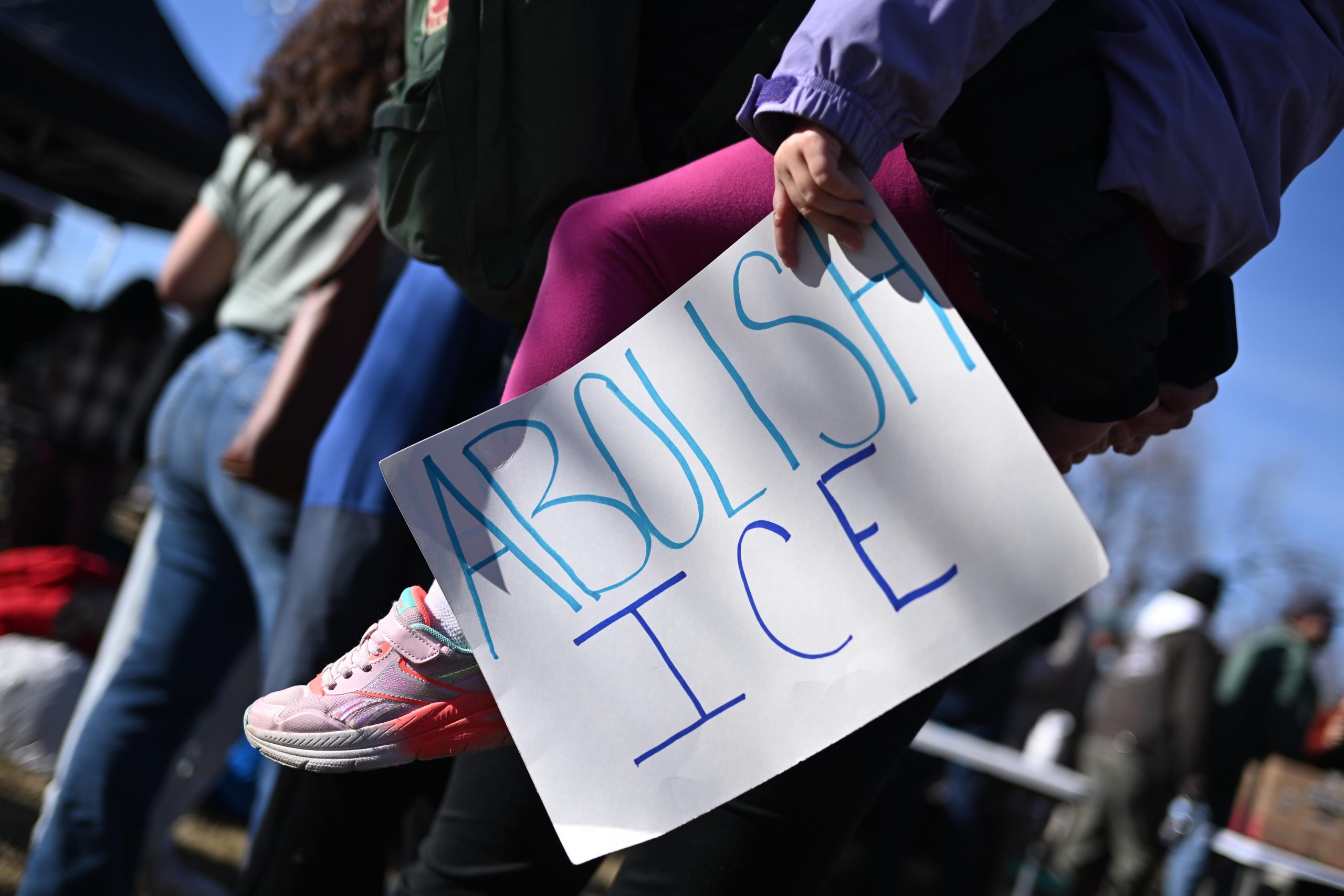
The impact extends beyond immediate detention. Children of all immigration statuses have witnessed classmates vanish from school, a stark and unsettling reality. Some children are kept indoors during recess due to perceived threats, further isolating them and disrupting their sense of normalcy. These experiences leave lasting scars, potentially impacting their mental and emotional well-being, academic performance, and overall development. The psychological toll on children witnessing or experiencing the effects of immigration enforcement should not be underestimated.
The detention of children and the fear instilled in families highlights a critical question: what is the long-term impact of these policies on the social fabric of the nation? The ethical implications of detaining children, particularly those separated from their families, demand serious consideration. As the debate over immigration policy continues, the welfare and well-being of children must be at the forefront of the discussion.
Based on materials: Vox