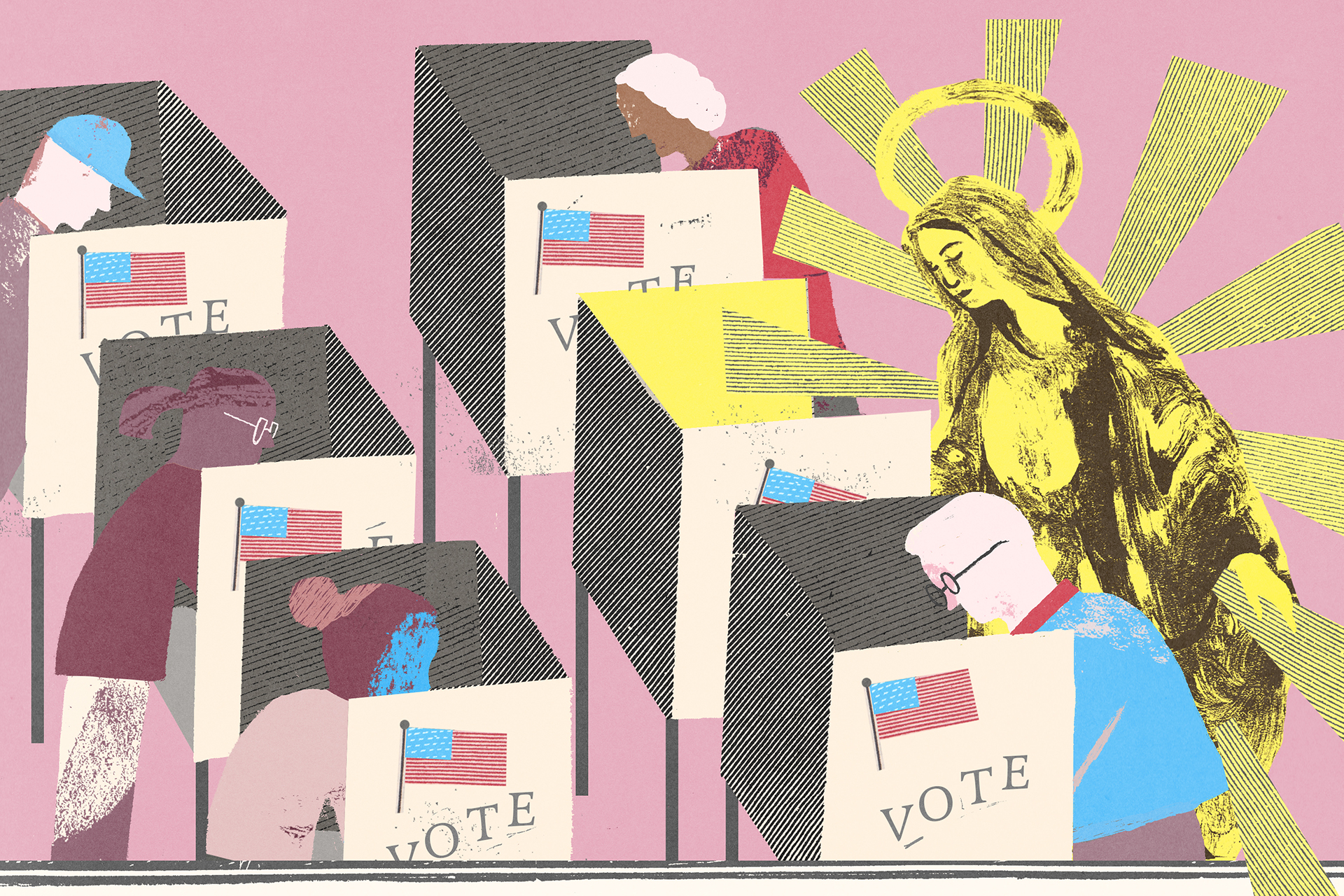
Faith-Based Resistance: Can a Christian Left Challenge Trump?
Donald Trump’s second term has been a period of intense scrutiny and soul-searching, particularly for American Christians. With policies ranging from aggressive immigration enforcement to attacks on transgender rights and women’s reproductive freedoms, many feel that a particular brand of reactionary Christianity has been given free rein. This agenda, decades in the making by the religious right – a coalition of white evangelical Protestants, conservative Catholics, and conservative Eastern Orthodox Christians and Jews – has long formed the bedrock of the Republican Party. But, a counter-movement is now emerging.
The Rise of a Faith-Based Opposition
After decades of political dominance by the religious right, a genuine faith-based opposition is slowly gaining traction. This “Christian left,” while still nascent, represents a significant challenge to the narrative that Christianity is synonymous with conservative politics. These individuals and groups are motivated by a deep sense of social justice, rooted in their interpretation of Christian teachings. They argue that Trump’s policies directly contradict core Christian values such as compassion, empathy, and care for the marginalized.
This burgeoning opposition is not monolithic. It encompasses various denominations and theological perspectives, united by a shared commitment to progressive causes. They are actively involved in advocating for policies that address issues such as poverty, environmental protection, racial justice, and LGBTQ+ rights. Their emergence signifies a potential fracture within the Christian community, challenging the Republican Party’s long-held assumption of unwavering support from religious voters.
The Potential Impact on American Politics
The rise of a vocal and organized Christian left could have profound implications for the future of American politics. It has the potential to reshape the political landscape by:
*
Dividing the Religious Vote:
By offering a viable alternative to the religious right, this movement could siphon off support from the Republican Party, particularly among younger and more progressive Christians.
*
Expanding the Democratic Base:
The Christian left could attract religious voters who have traditionally been alienated by the Democratic Party’s secular focus.
*
Changing the National Conversation:
By articulating a progressive vision rooted in Christian values, this movement could shift the national conversation on key policy issues and challenge the dominance of the religious right’s narrative.
Conclusion
While it remains to be seen whether this faith-based opposition can gain significant political power, its emergence is a noteworthy development. It reflects a growing dissatisfaction with the direction of American politics and a desire among some Christians to reclaim their faith from the grip of conservative ideology. As the political climate continues to evolve, the Christian left could play an increasingly important role in shaping the future of American society.
Based on materials: Vox