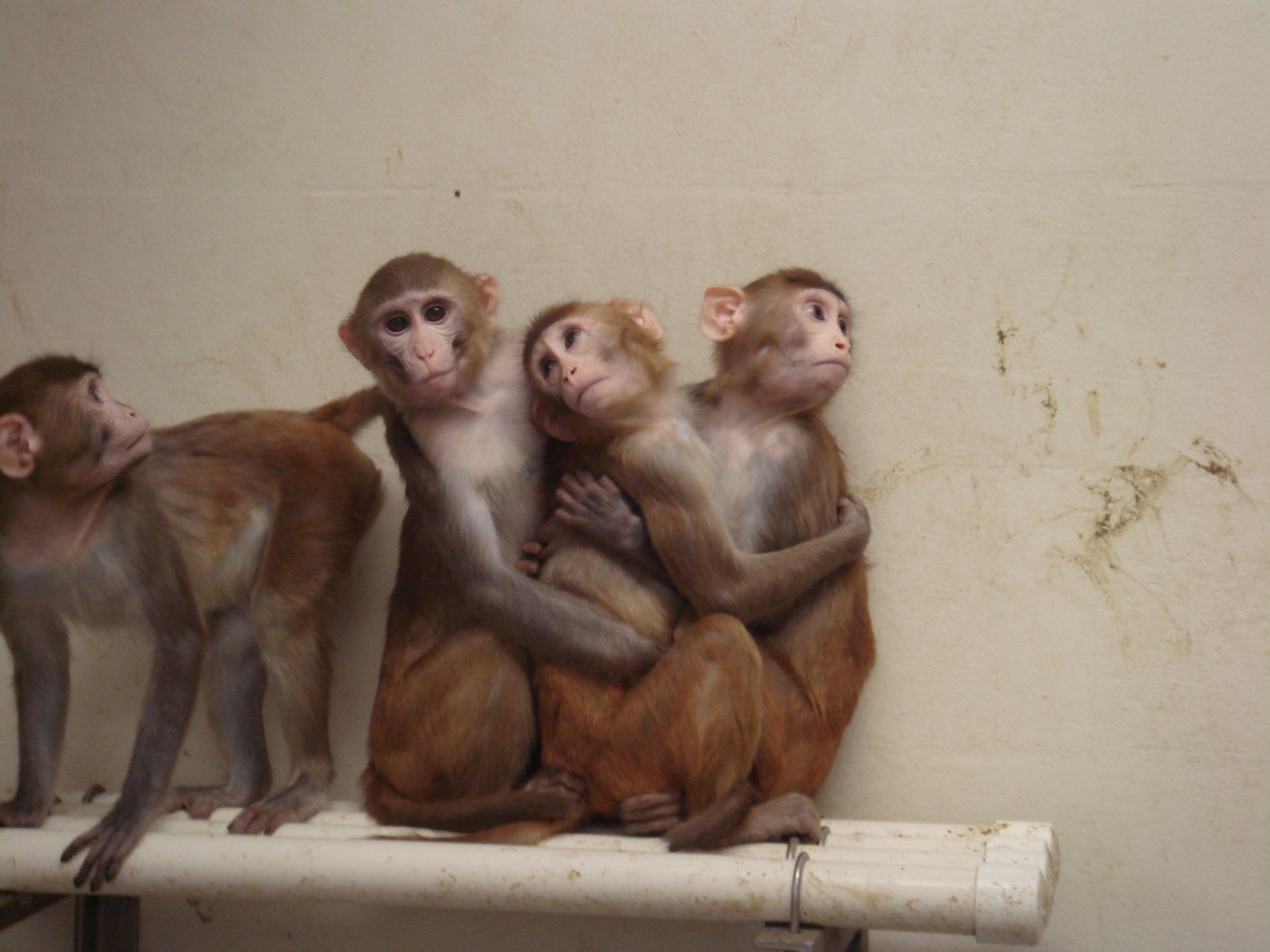
The Trump administration, often criticized for its stance on scientific matters, may inadvertently be ushering in a new era of research, one less reliant on animal testing. A confluence of factors, including pressure from animal rights activists and the inherent limitations of animal models, is pushing the scientific community towards innovative alternatives. Could the days of lab monkeys, mice, and rabbits be numbered?
Challenging the Status Quo: Beyond Animal Models
For decades, medical research has heavily relied on animal experimentation. From testing new drugs to understanding disease mechanisms, animals have served as stand-ins for humans. However, the scientific community is increasingly acknowledging the shortcomings of this approach. As Harvard bioengineer Don Ingber pointed out, the usefulness of animal models is limited. Genetic, physiological, and environmental differences between species often lead to inaccurate or misleading results. Drugs that show promise in animals frequently fail in human trials, highlighting the need for more reliable and predictive research methods.
A Coalition for Change: Advocates and Scientists Unite
The shift away from animal testing is fueled by a diverse coalition of players. Animal rights advocates, long campaigning against the ethical concerns of animal experimentation, are gaining traction. They are joined by scientists who recognize the limitations of animal models and are actively seeking alternatives. This alliance is pushing for increased investment in cutting-edge technologies that can replace or reduce the need for animal testing.
The Rise of Alternatives: Innovation in Action
So, what does the future of research look like? Several promising alternatives are emerging. Organ-on-a-chip technology, for example, allows scientists to create miniature, functional models of human organs. These chips can be used to study disease, test drug efficacy, and assess toxicity in a more human-relevant context. Advanced computer modeling and simulation techniques are also playing an increasingly important role, allowing researchers to predict the effects of drugs and therapies without resorting to animal experiments. Furthermore, advances in genomics and proteomics are providing deeper insights into human biology, paving the way for more targeted and effective treatments. The development of sophisticated human cell cultures is also a key area of focus, providing a more accurate platform for studying human disease and drug responses.
Conclusion: A More Ethical and Effective Future
While the transition away from animal testing will be a gradual process, the momentum is building. The confluence of ethical concerns, scientific limitations, and technological advancements is driving a paradigm shift in medical research. As alternatives become more sophisticated and accessible, the reliance on animal models will likely diminish, leading to a more ethical, efficient, and ultimately more effective approach to scientific discovery. The future of research may well be one where lab monkeys, and other animals, are relegated to the history books.
Based on materials: Vox