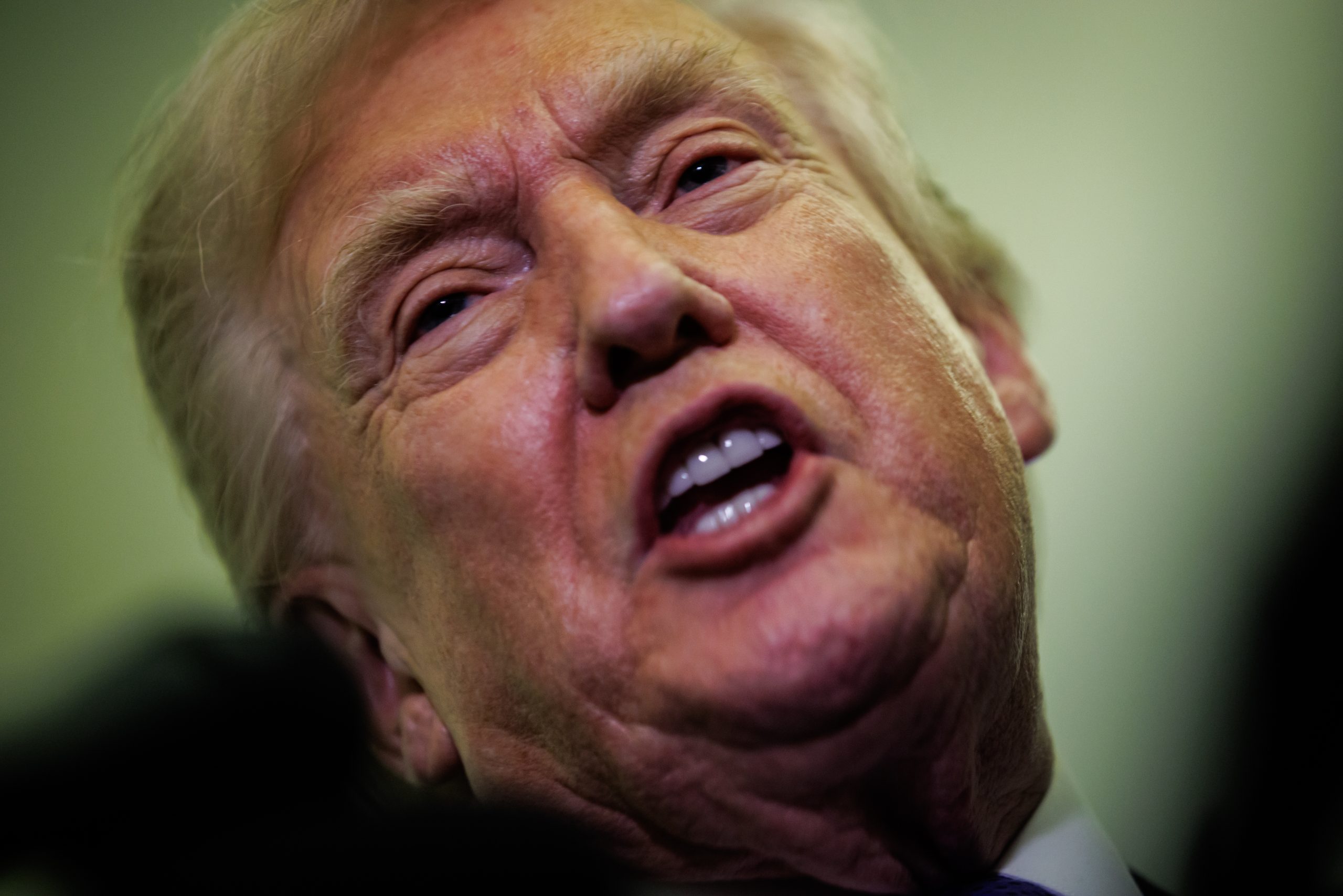
A little over a year into his second term, President Donald Trump’s efforts to reshape the United States in an authoritarian image have met with unexpected resistance, a far cry from the swift and decisive power grab many had feared. While Trump hasn’t achieved the “pure, uncut authoritarian nightmare” some predicted, the administration’s actions have sparked intense debate and legal challenges, revealing the resilience of American institutions, even under pressure.
A Blueprint for Authoritarianism?
The initial fears surrounding Trump’s second presidency centered on the potential weaponization of government power against political opponents. Critics worried about fabricated charges against Democratic lawmakers, efforts to silence dissenting voices in the media, and the deployment of military force to suppress protests in cities with opposing political views. Alarmingly, many of these scenarios have played out, albeit with significant pushback.
The administration has indeed pursued legal action against perceived enemies, raising concerns about the politicization of the justice system. Attempts to exert influence over media outlets have been met with resistance from journalists and free speech advocates. The deployment of federal agents to quell protests has sparked legal challenges and accusations of overreach. Immigration enforcement policies have also faced scrutiny, particularly regarding alleged abuses of power.
Checks and Balances Prevail (So Far)
Despite these concerning developments, Trump’s ambitions have been consistently checked by the judiciary and civil society. Courts have intervened to block or modify controversial policies, while advocacy groups have mobilized to defend civil liberties and challenge government actions. This resistance underscores the vital role of independent institutions in safeguarding democracy.
The fact that Trump’s authoritarian impulses have been met with such resistance is a testament to the strength of America’s democratic foundations. The judiciary, while increasingly politicized, has still demonstrated a degree of independence. Civil society organizations, from legal advocacy groups to grassroots movements, have proven remarkably effective in mobilizing opposition and challenging government overreach.
A Warning Sign, Not a Victory
While the checks and balances of the American system have, for now, prevented a full-blown slide into autocracy, the situation remains precarious. The very fact that these authoritarian measures were attempted underscores the fragility of democratic norms and the constant need for vigilance. The ongoing legal battles and political divisions suggest that the threat to American democracy is far from over. Trump’s presidency serves as a stark reminder that democratic institutions require constant defense and that the road to autocracy, while perhaps riddled with potholes, remains a potential path if vigilance wanes.
SOURCE: Vox
Based on materials: Vox