Pritzker’s Illinois: Blueprint for Resisting Federal Immigration Policy
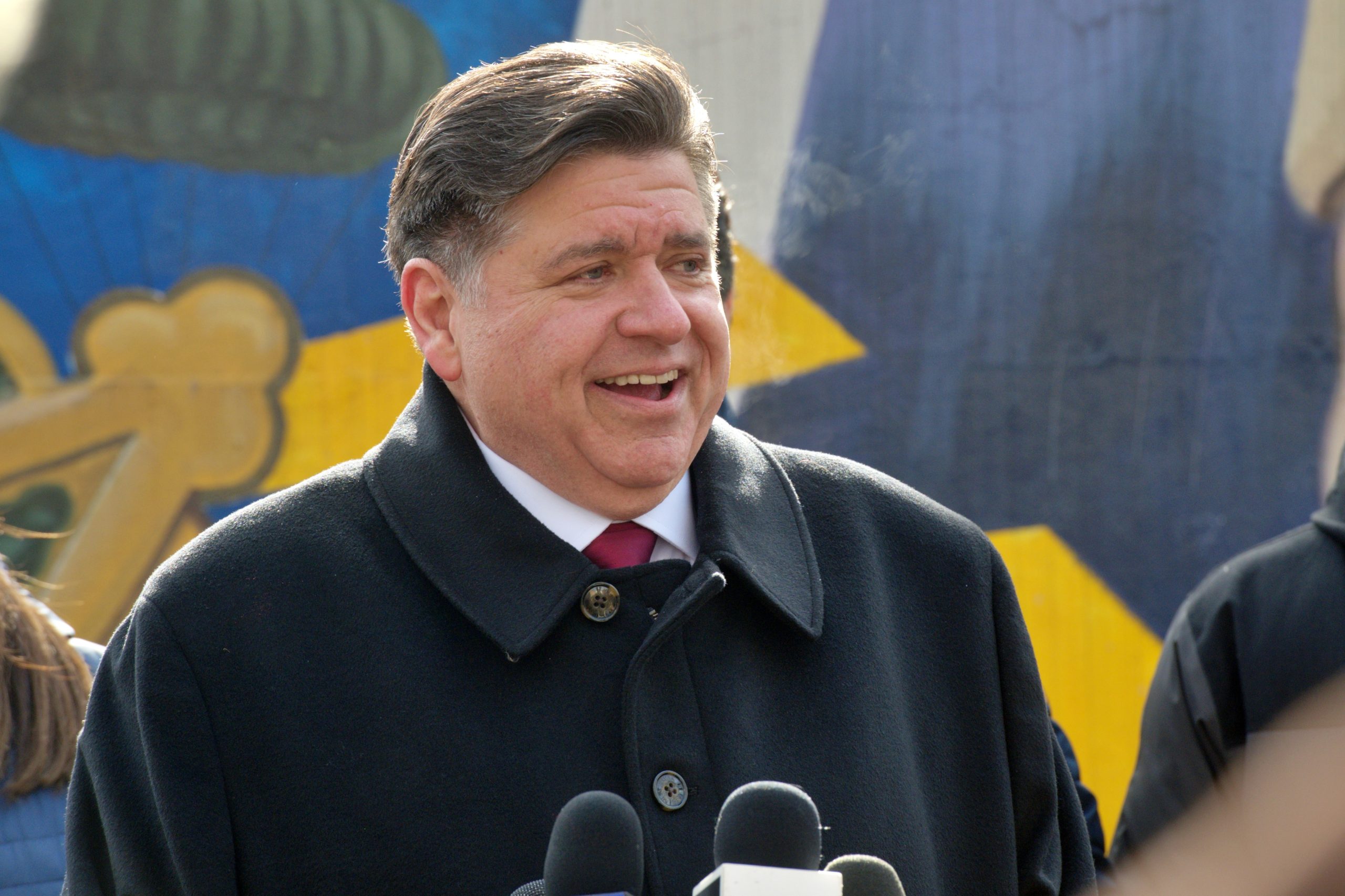
Illinois Governor JB Pritzker is emerging as a key figure in the Democratic resistance against federal immigration policies. Unlike some blue-state leaders who have sought compromise or quiet opposition, Pritzker has adopted a more assertive approach, turning Illinois into a test case for state-level opposition. His actions could provide a valuable playbook for other Democratic governors seeking to challenge federal policies within their borders.
A Multi-Pronged Approach to Opposition
Pritzker’s strategy involves a multifaceted approach. He has signed legislation designed to restrict the reach and operations of Immigration and Customs Enforcement (ICE) within Illinois. This includes measures aimed at limiting cooperation between state and local law enforcement and federal immigration authorities. Furthermore, he established the Illinois Accountability Commission, composed of retired federal judges, to provide oversight and accountability regarding immigration enforcement activities.
Beyond legislative and administrative actions, Pritzker has also taken a legal route, suing the federal government over immigration-related policies. A notable instance was his successful effort to prevent the deployment of federalized National Guard troops on the streets of Chicago, a move perceived as an overreach of federal power.
A Model for Other States?
Pritzker’s actions have garnered attention nationwide, positioning him as a potential model for other states seeking to push back against federal policies they deem unjust or harmful. By actively limiting ICE operations, creating oversight bodies, and pursuing legal challenges, he is demonstrating a proactive approach that goes beyond symbolic gestures.
The success of Pritzker’s strategy in Illinois could influence policy decisions in other states with similar political leanings. It also raises important questions about the balance of power between state and federal governments, particularly regarding immigration enforcement. While his actions have been praised by some as a defense of immigrant rights and state sovereignty, they have also drawn criticism from those who believe they hinder federal efforts to enforce immigration laws.
Conclusion
Governor Pritzker’s actions in Illinois represent a significant development in the ongoing debate over immigration policy and federalism. Whether his approach becomes a widespread model remains to be seen, but his efforts have undoubtedly placed Illinois at the forefront of state-level resistance to federal immigration policies, offering a potential blueprint for other like-minded governors. His legacy will likely be defined by his willingness to challenge the status quo and assert state authority in the face of federal overreach, sparking a crucial conversation about the boundaries of power and the protection of vulnerable populations.
Based on materials: Vox