Beyond Politics: When Neighbors Become Lifelines
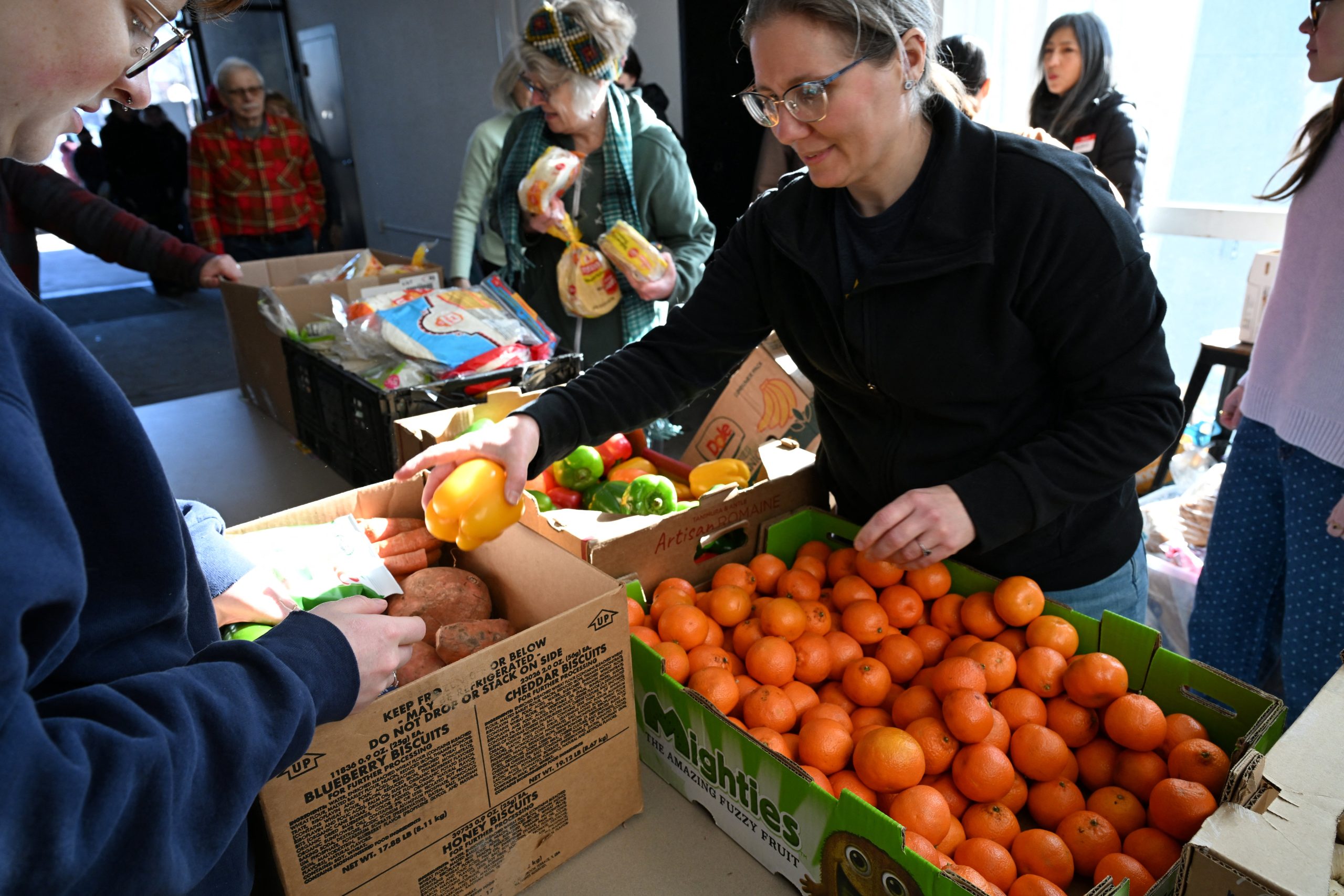
In an era defined by digital connections and often marred by political division, a quiet revolution is taking place on the ground: mutual aid. This grassroots movement, focused on hyper-local support, highlights the power of communities stepping up where traditional institutions fall short. From food drives to safe escort programs, neighbors are finding innovative ways to support each other, demonstrating a resilience and compassion that transcends political gridlock.
The Roots of Reciprocity: A Historical Perspective
While mutual aid may seem like a contemporary trend, its roots run deep. According to Fordham University professor Tyesha Maddox, this tradition of collective support can be traced back to early immigrant communities in the United States. Faced with unfamiliar challenges and limited resources, these communities relied on each other for survival and well-being, establishing a precedent for neighborly assistance that continues to resonate today. This historical context underscores the enduring human impulse to collaborate and care for those around us, especially when formal systems prove inadequate.
Mutual Aid in Action: A Tapestry of Support
Mutual aid manifests in diverse forms, tailored to the specific needs of a community. It could be as simple as organizing a food drive for families struggling with food insecurity or coordinating a free exchange of household items. In some areas, mutual aid groups provide safe passage for children walking to and from school, addressing anxieties related to immigration enforcement. These initiatives, often operating outside the realm of established charities or government programs, offer a direct and immediate response to pressing local issues. The power of mutual aid lies in its adaptability and its focus on empowering community members to take ownership of their well-being.
Beyond Government: A Call for Collective Action
The rise of mutual aid reflects a growing recognition that government intervention alone is not always sufficient to address the complex challenges facing communities. While social safety nets play a crucial role, they can sometimes be slow, bureaucratic, or limited in scope. Mutual aid offers a more agile and personalized approach, filling the gaps and providing support that is tailored to the specific needs of individuals and families. Moreover, it fosters a sense of community and shared responsibility, reminding us that we are all interconnected and that we have the power to make a difference in each other’s lives.
Conclusion
In a world increasingly defined by polarization and uncertainty, the resurgence of mutual aid offers a beacon of hope. By focusing on hyper-local support and fostering a spirit of collaboration, these grassroots movements demonstrate the enduring power of communities to care for their own. As we navigate an ever-changing landscape, the lessons of mutual aid – reciprocity, compassion, and collective action – offer a powerful roadmap for building a more resilient and equitable future.
Based on materials: Vox